![[등록] 2026-09-01 15:48:31](/support/_updata/banner2/tl181982910_6749.png)


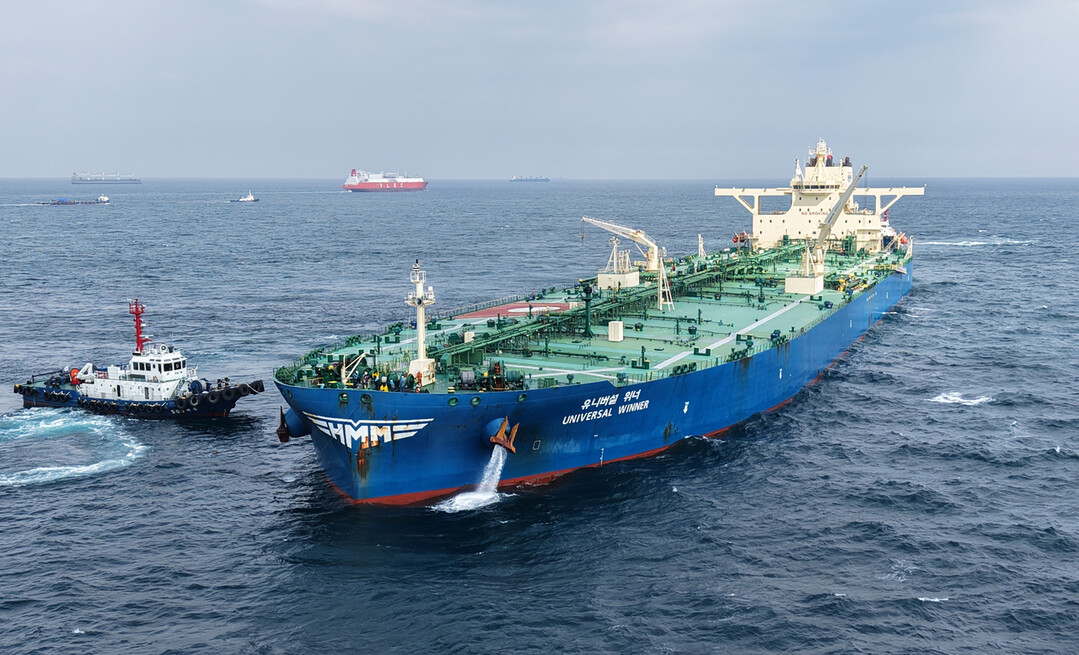
In a significant development following the recent ceasefire agreement between the United States and Iran, two vessels operated by South Korean shipping companies have successfully exited the Strait of Hormuz. This marks the first such departure since the two nations signed a Memorandum of Understanding (MOU) to reopen the critical maritime chokepoint.
The Ministry of Oceans and Fisheries confirmed on June 22 that two ships, which had been stranded inside the strait, successfully navigated through and are currently continuing their voyage normally. Officials noted that while the vessels are managed by South Korean firms, there are no South Korean crew members on board, and their destinations are outside of South Korea.
The Ministry expressed its commitment to the safety of all involved, stating, "As the vessels have not yet fully cleared the high-risk maritime zones, we ask for public understanding regarding our decision to withhold specific details, including the names of the ships and the operating companies, to protect the safety of the crew and the interests of the shippers."
The successful transit is a direct result of the recently signed U.S.-Iran MOU. Article 5 of the agreement stipulates that upon signing, Iran would take necessary measures to allow vessels to pass through the Strait of Hormuz without transit fees for a period of 60 days. In response, the Persian Gulf Strait Authority (PGSA) began accepting transit applications, which were promptly filed by the South Korean companies concerned.
With these two vessels having cleared the area, the number of South Korean-operated ships remaining in the strait has decreased to 22. When the strait was initially blockaded at the end of February, 26 South Korean ships were stranded. Prior to the current agreement, two vessels—one oil tanker and one LNG carrier—had already managed to exit following separate negotiations with Iranian authorities, leaving 24 ships in the zone at the time of the MOU signing.
Currently, there are 135 South Korean crew members remaining in the region, consisting of 102 personnel aboard South Korean-operated ships and 33 working on foreign-flagged vessels.
While this successful passage offers a glimmer of hope that remaining South Korean ships will be able to leave the strait sequentially, significant variables remain. Although U.S. and Swiss officials have begun negotiations to implement the terms of the MOU, the atmosphere remains extremely tense. The situation is precarious, exacerbated by confrontational rhetoric from U.S. President Donald Trump and subsequent pushback from Tehran.
Adding to the instability, the Iranian military threatened on June 20 to re-impose a blockade on the Strait of Hormuz, citing recent Israeli airstrikes in southern Lebanon as a justification.
The Ministry of Oceans and Fisheries emphasized that it remains on high alert. "We are providing comprehensive support to ensure safe passage, including the constant supply of navigation intelligence and real-time monitoring of the strait, to ensure the safety of our vessels and their crews," a ministry official stated. As the region navigates this fragile ceasefire, the focus remains on diplomatic stability to secure the safe passage of the remaining fleet.
[Copyright (c) Global Economic Times. All Rights Reserved.]