![[등록] 2026-09-01 15:48:31](/support/_updata/banner2/tl181982910_6749.png)


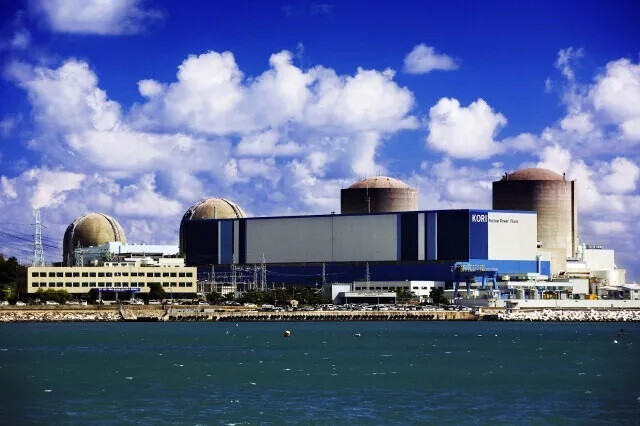
SEOUL — In a landmark shift that fundamentally alters the landscape of the global nuclear energy industry, South Korea has successfully secured the mandate to spearhead the formulation of the world’s first international standards for nuclear power plant decommissioning. The initiative represents a pivotal transition for the East Asian industrial powerhouse, moving from a nation that historically conformed to foreign regulatory frameworks into a definitive global "rule-maker" capable of shaping the future of a projected 500 trillion won ($360 billion) international market.
The Korean Agency for Technology and Standards (KATS), an organization operating under the auspices of the Ministry of Trade, Industry and Energy, officially announced on Monday that a comprehensive proposal originally submitted by South Korea to the International Organization for Standardization (ISO) in 2023 has successfully achieved final ratification as a New Proposal (NP). The draft was approved by the ISO Nuclear Energy Technical Committee (TC85), securing affirmative votes from nine major member nations, including formidable nuclear powers such as the United States, China, and Japan.
The newly approved standardization roadmap outlines a robust framework governing the entire lifecycle of the nuclear decommissioning process. Rather than focusing on isolated procedures, the standard provides exhaustive regulatory clarity on foundational definitions, comprehensive project planning protocols, execution methodologies, and overarching management systems. By securing the critical role of official project leader, South Korea will directly orchestrate the international consensus-building process, aiming for the formal publication of the International Standard (IS) by December 2027.
Building upon this initial structural breakthrough, KATS plans to systematically introduce a sequence of nine subsequent, granular international standards targeting specific operational phases. This expansive decommissioning pipeline will encompass:
-Nuclear decommissioning planning
-Radioactive waste management
-Comprehensive facility characterization
-Holistic safety assessments
-Decommissioning project management
-Radioactive decontamination and dismantling
-Radiation protection and monitoring
-Clearance criteria application
-Final environmental site restoration
To ensure absolute regulatory harmony and worldwide compliance, experts from the International Atomic Energy Agency (IAEA) will actively participate in the technical standardization workflow. This direct collaboration is engineered to maximize alignment between South Korea’s pioneering technical specifications and preexisting international nuclear safety guidelines. The South Korean government anticipates that these standardized protocols will become the benchmark criteria utilized by utilities and governments worldwide when executing future dismantling operations.
According to long-term analytical forecasts compiled by the IAEA, the global demand for atomic facility retirement is poised to accelerate exponentially over the coming decades. It is estimated that more than 400 nuclear reactors across the globe will reach the end of their operational lifespans and undergo full decommissioning by the year 2050. This massive wave of structural retirements is expected to unleash an unprecedented market valuation exceeding 500 trillion won, presenting an immense economic opportunity for nations possessing validated, standard-compliant technologies.
Kim Dae-ja, the Director-General of the Korean Agency for Technology and Standards, emphasized the profound strategic significance of the achievement. "Historically, South Korea has occupied the position of a standard-recipient, strictly adopting international benchmarks established by Western nations for the construction and maintenance of nuclear facilities," Kim stated during a press briefing. "With the successful ratification of this proposal, we have effectively reversed that dynamic, positioning our domestic industry at the absolute vanguard of the global decommissioning sector."
Director-General Kim further clarified that the government is fully committed to leveraging this regulatory milestone to bolster the international export competitiveness of the "K-Nuclear" brand. In tandem with the ongoing ISO initiative, Seoul intends to aggressively pursue and lead standard-setting activities within other influential, consensus-based standard bodies, such as the American Society of Mechanical Engineers (ASME), ensuring that South Korean technological methodologies remain deeply embedded in virtually all future global nuclear retirement operations.
[Copyright (c) Global Economic Times. All Rights Reserved.]