![[등록] 2026-09-01 15:48:31](/support/_updata/banner2/tl181982910_6749.png)


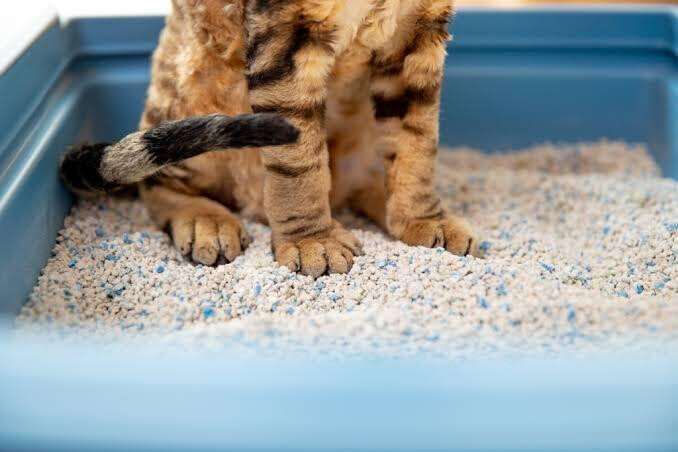
Unlike dogs, cats rely on litter-filled boxes for elimination—a behavior deeply rooted in their ancestral instincts. In the wild, felines instinctively cover their waste with sand or earth to conceal their scent from predators and rivals. This innate habit persists in domestic cats, making the strategic placement of a litter box a matter of psychological well-being rather than mere convenience.
Pet behavior experts emphasize that the location of a litter box directly impacts a cat's stress levels and daily behavior. Dr. Alice Smith, a prominent British veterinarian, notes, "Cats naturally seek a safe, quiet environment for elimination. A litter box situated away from external disruptions and loud noises allows cats to feel secure and comfortable." Consequently, owners should place litter boxes in low-traffic areas of the home. In multi-cat households, providing separate litter boxes for each cat is essential, as felines strongly dislike sharing their elimination spaces.
At the same time, the location must remain easily accessible. Because cats are exceptionally sensitive to their surroundings, placing a box in a cramped or pitch-black space can deter them from using it. Experts recommend well-ventilated areas with moderate lighting. However, overly exposed public spaces can impose psychological pressure on the feline, making a semi-hidden yet accessible spot the ideal choice.
Beyond location, the choice of box type and litter heavily influences a cat's preference. Soft litter that enables cats to easily bury their waste is strongly recommended. Furthermore, because many cats dislike heavily scented litters or products, using unscented alternatives can prevent litter box avoidance.
[Copyright (c) Global Economic Times. All Rights Reserved.]