![[등록] 2026-09-01 15:48:31](/support/_updata/banner2/tl181982910_6749.png)


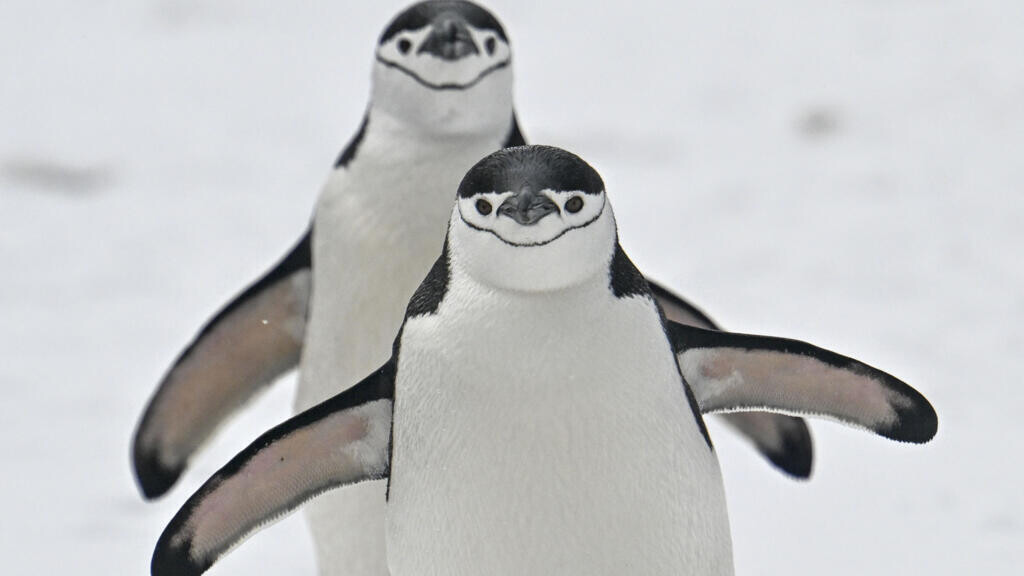
LONDON — A new research report warns that the chinstrap penguin, uniquely known for the distinct black line running from cheek to cheek beneath its beak, is facing a severe threat of extinction on Zavodovski Island, the northernmost island of the South Sandwich Islands near Antarctica.
According to a report published on the 7th (local time) in the international scientific journal Current Biology—and highlighted by the British daily The Guardian—Norman Ratcliffe, a penguin ecologist at the British Antarctic Survey (BAS) and the lead researcher of the study, announced that the population of chinstrap penguins, which forms the world's largest penguin colony, has plummeted by two-thirds since 2011.
Dr. Ratcliffe noted in the report that a two-thirds reduction in the chinstrap penguin population of Zavodovski Island means a staggering loss of approximately 500,000 birds. He warned that this sharp decline increases the risk of broader ecosystem collapse.
Zavodovski Island is renowned as the world's largest penguin breeding ground. A 2011 survey estimated it was home to 600,000 chinstrap penguins and 90,000 macaroni penguins.
Scientists point to the climate crisis as the most likely primary driver behind the rapid population crash.
Human-driven global heating has caused temperatures in the Antarctic Peninsula and surrounding regions to rise by up to 5 degrees Celsius compared to pre-industrial levels, marking one of the fastest rates of warming on Earth.
Researchers analyzed that these climate shifts have made it exceptionally difficult for chinstrap penguins to adapt, as they rely on a specialized diet and specific ocean temperatures.
Chinstrap penguins traditionally prefer foraging for their main food source—krill—in the cooler waters northwest of Zavodovski Island. However, as ocean temperatures warm, krill have shifted further south into the Weddell Sea, severely hindering the penguins' ability to feed.
In contrast to the struggling chinstrap penguins, macaroni penguins, which have less selective dietary habits, saw their population increase by 30%.
Dr. Ratcliffe expressed deep concern that the drastic decline of chinstrap penguins will trigger cascading effects throughout the marine food chain.
"Each ecosystem is like a giant game of Jenga," he emphasized. "Every component we remove increases the risk of the entire system collapsing."
[Copyright (c) Global Economic Times. All Rights Reserved.]