![[등록] 2026-09-01 15:48:31](/support/_updata/banner2/tl181982910_6749.png)


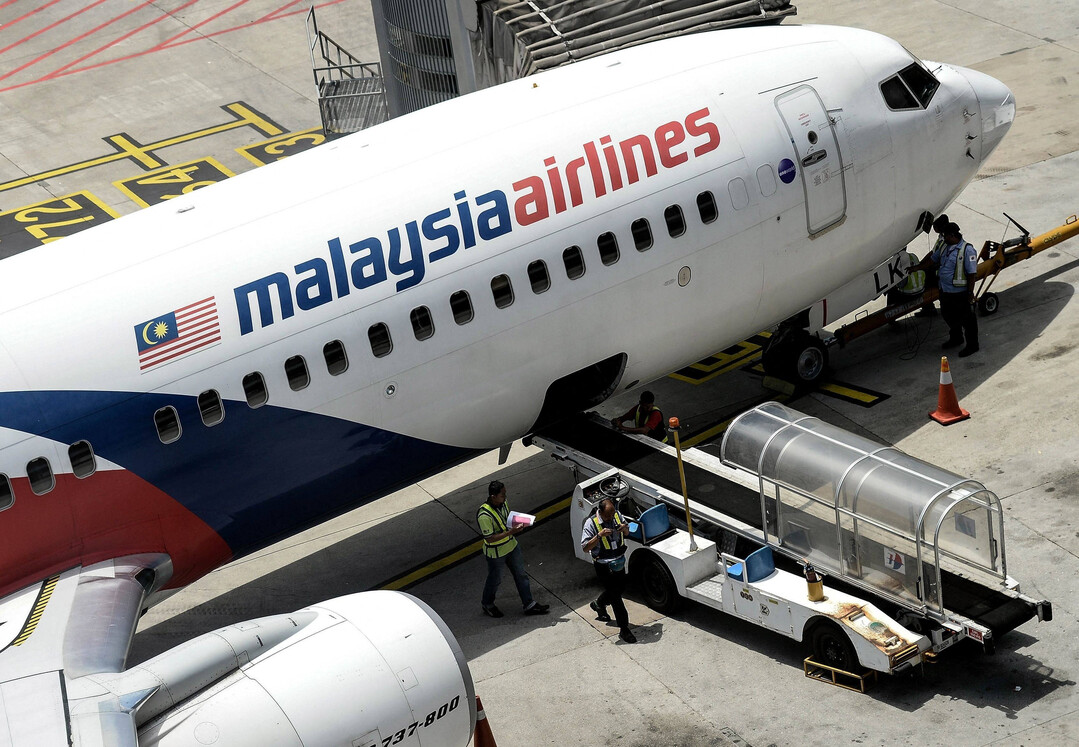
JAKARTA — In a alarming breach of international aviation security and passenger safety, a senior commercial pilot belonging to Malaysia’s flag carrier, Malaysia Airlines, was arrested at Soekarno-Hatta International Airport in Jakarta after navigating an international flight while severely intoxicated under a cocktail of illicit narcotics. Indonesian law enforcement authorities confirmed on Saturday, August 1, 2026, that the 39-year-old aviator was caught attempting to smuggle a massive haul of synthetic drugs, including 70,000 Ecstasy pills and 4 grams of methamphetamine, in a conspiracy orchestrated by transnational drug cartels.
The suspect, identified in police records as "A," piloted a commercial passenger aircraft from Kuala Lumpur International Airport (KLIA) and landed in Jakarta on July 28 before being intercepted by customs inspectors. A routine X-ray screening of crew luggage flagged a suspicious suitcase, which was subsequently traced directly to the pilot. Upon custody transfer to the Indonesian National Police Criminal Investigation Agency, urinalysis revealed that the pilot tested positive for methamphetamine, Ecstasy (MDMA), and cocaine—indicating he operated the flight in an active state of hallucination and severe drug impairment.
"The suspect was detained immediately after being identified. Drug screening confirmed positive results for methamphetamine, Ecstasy, and cocaine. Our forensic evidence indicates he piloted the aircraft while under the influence of narcotics. We are actively conducting deep-level investigations to dismantle the wider syndicate operating above him."
— Brig. Gen. Eko Hadi Santoso, Director of Narcotics Crime, Indonesian National Police
Confession Exposes Repeated Operations and Syndicate Payouts
During police interrogation, the pilot admitted to acting as a drug mule for an organized syndicate. He disclosed that he was offered a financial payout of 50,000 Malaysian Ringgit (approximately $10,600 USD) to transport the illicit cargo from Kuala Lumpur to Jakarta. His instructions dictated that upon arrival at Soekarno-Hatta Airport, he was to await further communications from a Malaysia-based handler, after which an accomplice was scheduled to collect the narcotics at a hotel in Jakarta.
The pilot confessed that the July 28 flight was his third successful smuggling run. He admitted to previously smuggling methamphetamine to Sabah state on the island of Borneo, as well as trafficking 7 kilograms of methamphetamine into Jakarta on a prior flight.
Exploitation of Aircrew Privileges and Security Blind Spots
The arrest has highlighted vulnerabilities in airport security, specifically regarding how drug syndicates recruit airline crew members to bypass customs checkpoints. Indonesian customs officials noted that cartels are systematically exploiting special crew privileges and baggage handling rules reserved for flight crews.
Hengky Tomuan, head of the Soekarno-Hatta International Airport Customs Office, explained that aircrew baggage undergoes distinct check-in procedures and carries designated tags at originating hubs such as Kuala Lumpur. These crew tags often lead to expedited security clearances and reduced scrutiny compared to civilian passenger luggage, making commercial flight personnel targets for organized crime networks.
Pattern of Infiltration and Industry Response
The arrest is part of a broader trend across regional aviation. In June 2026, Australian Federal Police apprehended a female flight attendant belonging to Thai Airways after she was caught attempting to traffic 1 kilogram of heroin into Australia.
In response to the incident, Malaysia Airlines stated that it is fully cooperating with both Malaysian and Indonesian authorities while launching an internal investigation. The airline emphasized its zero-tolerance policy toward illegal activities and drug abuse among its staff.
Severe Legal Repercussions Under Indonesian Law
The suspect faces legal consequences in Indonesia, which enforces strict anti-narcotics laws, including the death penalty for major drug trafficking offenses.
Indonesia’s position on drug crimes is underscored by past cases, such as the 2005 arrest of the "Bali Nine" Australian heroin smuggling ring, which resulted in the execution of two ringleaders by firing squad in 2015. Given the volume of drugs seized and the safety risks of flying a commercial airliner while impaired, prosecutors may seek the maximum penalty under Indonesian narcotics laws.
[Copyright (c) Global Economic Times. All Rights Reserved.]