![[등록] 2026-09-01 15:48:31](/support/_updata/banner2/tl181982910_6749.png)


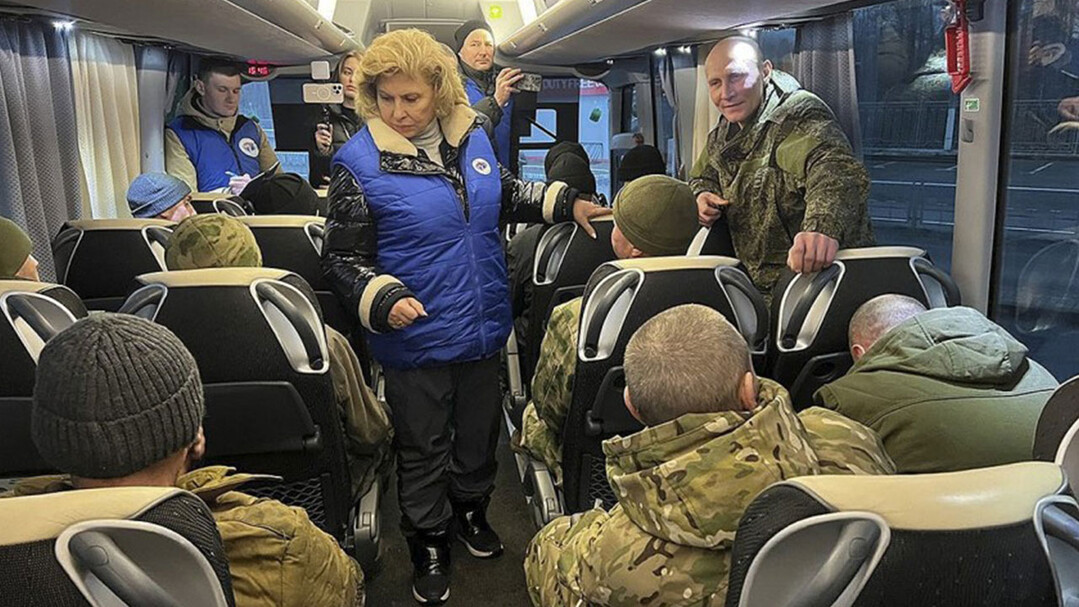
Kyiv, Ukraine – In a rare glimmer of humanitarian progress amidst the protracted and devastating conflict in Ukraine, Russia and Ukraine successfully carried out a prisoner exchange on Tuesday, May 6th, returning a total of 205 individuals to their respective homelands. The exchange, reportedly facilitated through the mediation of the United Arab Emirates, offered poignant scenes of Ukrainian soldiers, draped in their national flags, embracing tearful family members after months or even years of captivity.
The exchange involved the repatriation of an unspecified number of Russian prisoners of war held by Ukraine and the return of 205 Ukrainian servicemen and civilians who had been held by Russian forces. This marks the fifth such exchange this year and the 64th since Russia's full-scale invasion of Ukraine commenced in February 2022, underscoring the ongoing, albeit sporadic, efforts to alleviate the human cost of the war.
Prisoner exchanges have become a recurring, yet complex and often fraught, aspect of the conflict. These operations typically involve lengthy negotiations, often mediated by third parties, and are subject to numerous logistical and political hurdles. The identities and numbers of prisoners exchanged can vary significantly, reflecting the fluid and often opaque nature of battlefield captures and the strategic considerations of both sides. For the individuals involved and their families, however, these exchanges represent a lifeline, offering a chance to return to safety and begin the arduous process of healing and reintegration.
The psychological toll of captivity on soldiers and civilians caught in the crossfire is immense. Beyond the physical hardships, prisoners often endure significant emotional trauma, separation from loved ones, and uncertainty about their fate. Their return home, as witnessed in the emotional reunions in Ukraine, offers a powerful symbol of hope and resilience in the face of unimaginable adversity. The process of reintegration, however, can be lengthy and require extensive support, including psychological counseling and medical care.
Adding a layer of complexity to the recent developments, Russia announced a unilateral three-day ceasefire in Ukraine, timed to coincide with its Victory Day celebrations on May 9th. President Vladimir Putin, citing "humanitarian reasons," ordered a 72-hour cessation of hostilities from the night of May 8th through May 10th. Victory Day is a significant national holiday in Russia, commemorating the Soviet Union's victory over Nazi Germany in World War II, and is often marked by grand military parades and displays of national pride.
However, Ukraine's response to this proposed truce was far from receptive. President Volodymyr Zelenskyy swiftly rejected the three-day offer, calling instead for a more substantial and enduring ceasefire of at least 30 days. Kyiv has consistently expressed skepticism about Russia's intentions, viewing previous temporary truces as opportunities for Russian forces to regroup, resupply, or consolidate their positions.
The deep mistrust between the two nations, fueled by years of conflict and Russia's annexation of Ukrainian territory, makes any negotiation, including those concerning ceasefires, exceedingly difficult. Ukraine's insistence on a longer truce likely reflects its desire to see a genuine de-escalation of the conflict and to prevent Russia from exploiting a short pause for strategic advantage.
International reactions to Russia's proposed ceasefire have been mixed. While some have cautiously welcomed any cessation of hostilities, others have echoed Ukraine's skepticism, pointing to the history of broken agreements and the ongoing intensity of the fighting. The United Nations and various international organizations have repeatedly called for a comprehensive ceasefire and a peaceful resolution to the conflict, emphasizing the devastating humanitarian consequences of the continued violence.
The juxtaposition of the prisoner exchange and the rejected ceasefire offer highlights the deeply contradictory dynamics of the ongoing war. While humanitarian gestures like prisoner swaps offer a glimmer of hope and alleviate some of the immediate suffering, the fundamental political and strategic objectives of both sides remain deeply entrenched, hindering any significant progress towards a lasting peace.
The role of third-party mediation, as exemplified by the United Arab Emirates in facilitating the prisoner exchange, remains crucial in navigating these complex humanitarian issues. Neutral actors can play a vital role in bridging the communication gap between the warring parties and building trust, however fragile.
Looking ahead, the prospects for a comprehensive and sustained ceasefire in Ukraine remain uncertain. The deep-seated animosity, conflicting territorial claims, and divergent geopolitical objectives continue to fuel the conflict. While prisoner exchanges offer a tangible benefit to the individuals involved and their families, they do not address the root causes of the war. A genuine path towards peace will require a fundamental shift in the political calculations and strategic goals of both Russia and Ukraine, as well as sustained and concerted diplomatic efforts from the international community. For now, the tears of reunion for the released prisoners serve as a poignant reminder of the human cost of this devastating conflict and the urgent need for a lasting resolution.
[Copyright (c) Global Economic Times. All Rights Reserved.]