![[등록] 2026-09-01 15:48:31](/support/_updata/banner2/tl181982910_6749.png)


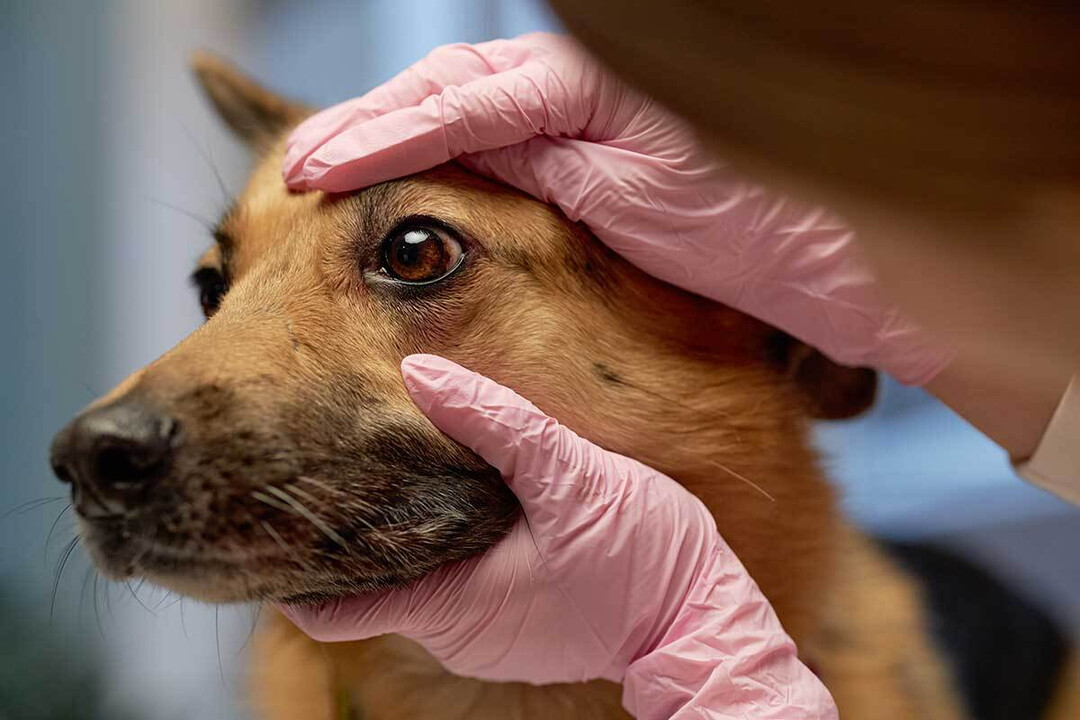
Because pets cannot speak to tell us when they are in pain or experiencing discomfort, recognizing the early signs of ophthalmic issues relies heavily on observant pet owners. Common symptoms such as abnormal tear production, changes in eye discharge, or the inability to keep eyes fully open should never be brushed off as mere fatigue. They often serve as early clinical indicators of underlying conditions that require prompt attention from a professional.
One of the most critical warning signs is a distinct change in the color and consistency of eye discharge. While a small amount of clear moisture can occasionally be normal, a sticky, persistent discharge that turns yellow, green, or cloudy strongly suggests a bacterial infection, severe inflammation, or conditions like conjunctivitis and dry eye (keratoconjunctivitis sicca). Furthermore, redness in the whites of the eyes or a bloodshot appearance points toward dilated blood vessels, hemorrhaging, or potential corneal damage and ulcers resulting from trauma, scratches, or foreign bodies.
Behavioral changes in companion animals are equally telling indicators of ocular distress. If a pet constantly paws at their face, rubs their eyes against carpets or furniture, or squints excessively (blepharospasm), it is a clear manifestation of pain, irritation, or itching. Additionally, if a pet frequently bumps into household objects while navigating familiar spaces or struggles to visually locate treats and toys—relying heavily on their sense of smell instead—it may indicate a progressive loss of vision, cataracts, or glaucoma.
Ophthalmological diseases in dogs and cats often progress with alarming rapidity. Delaying diagnosis and treatment can lead to irreversible damage, chronic pain, or permanent blindness. If symptoms include sudden vision loss, severe squinting, visible trauma, or bleeding, an immediate visit to an emergency veterinary clinic is imperative.
Finally, pet owners must strictly avoid using human eye medications or leftover prescription drops from past treatments. Certain components, particularly steroids, can severely aggravate specific conditions like corneal ulcers or fungal infections, leading to catastrophic medical outcomes. Always seek a professional veterinary examination, accurate diagnostic testing, and a tailored treatment plan to protect your pet's precious vision.
[Copyright (c) Global Economic Times. All Rights Reserved.]