ANDONG, South Korea — Gyeongsangbuk-do Province announced an ambitious, large-scale initiative on Tuesday aimed at curbing youth outmigration and positioning the region as a powerhouse for high-tech industries through sweeping university reforms and unprecedented financial backing.
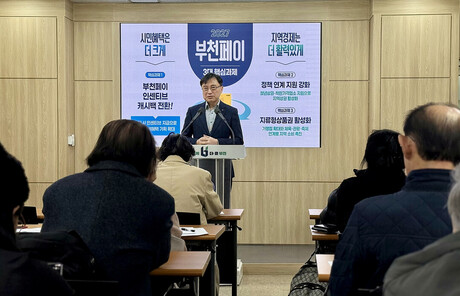
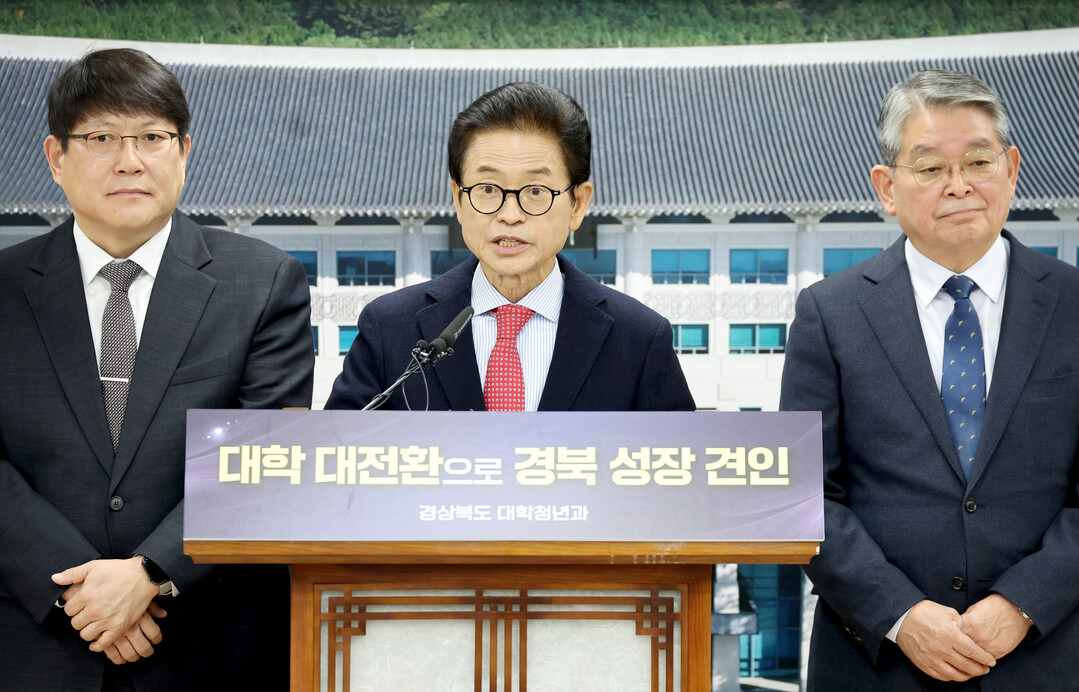
During a press briefing held on November 24, Governor Lee Cheol-woo outlined a comprehensive roadmap to build a "Sustainable Advanced Industry Talent Ecosystem." The plan seeks to create a self-sustaining cycle in which young people receive top-tier education, secure quality jobs, and build long-term careers within the province, rather than relocating to the Seoul metropolitan area.
"In the era of artificial intelligence, competitiveness in semiconductors, robotics, and AI cannot be secured by capital and technology alone—it begins with people," Governor Lee stated. "Instead of simply asking young people to stay, Gyeongbuk will create compelling reasons for them to choose our region."
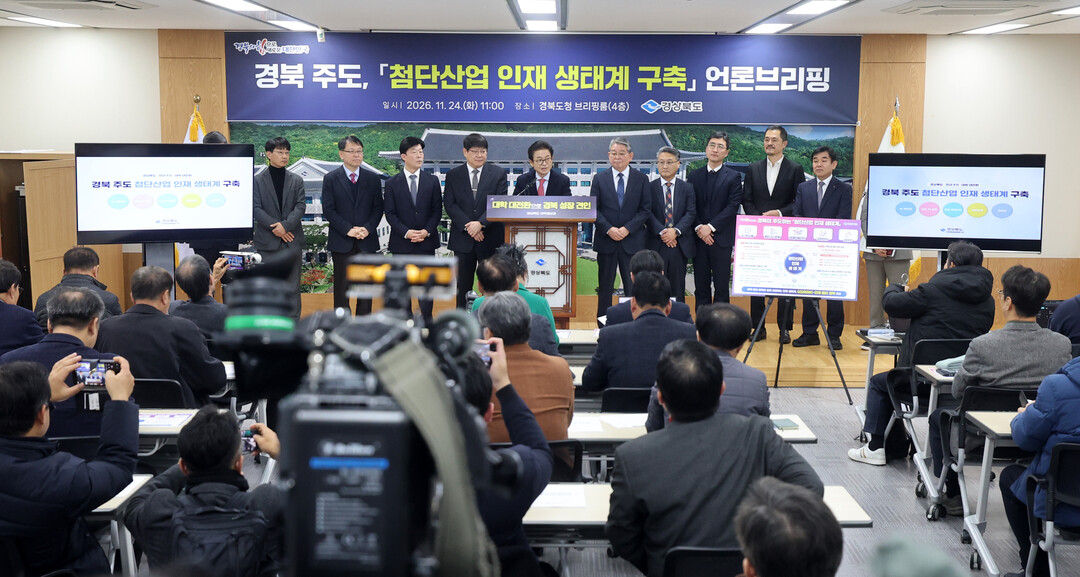
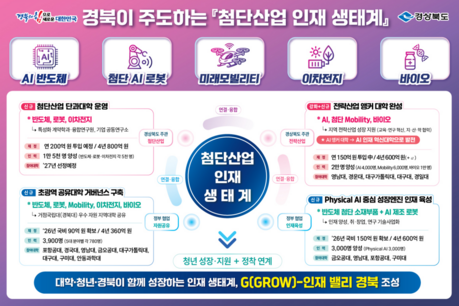
To turn this vision into reality, the provincial government is committing a record-breaking budget. A total of 236 billion KRW ($170+ million) in secured funds will be directly injected into the initiative over the next four years, supplemented by more than 300 billion KRW annually in indirect support via a university anchor system. Through this investment, the province aims to train 42,000 high-tech specialists and 230,000 industry-ready workers.
The strategy leverages Gyeongsangbuk-do’s extensive educational infrastructure—which boasts 31 universities and colleges, the highest concentration south of the Han River—and focuses on three core pillars: transforming local universities into regional innovation hubs, establishing joint industry-academia curricula tailored to real-world corporate needs, and expanding comprehensive settlement programs for young entrepreneurs and specialists.
Operationally, the province will roll out the program across four interconnected tracks:
Specialized Colleges: Focusing on semiconductors, robotics, and secondary batteries.
Strategic Anchor Universities: Targeting AI, advanced mobility, and biotechnology.
Shared University Networks: Connecting local institutions with flagship national universities to drive five major growth engines across the Daegu-Gyeongbuk region.
Physical AI Cultivation: Merging semiconductor materials, parts, and equipment with AI-driven manufacturing robotics.
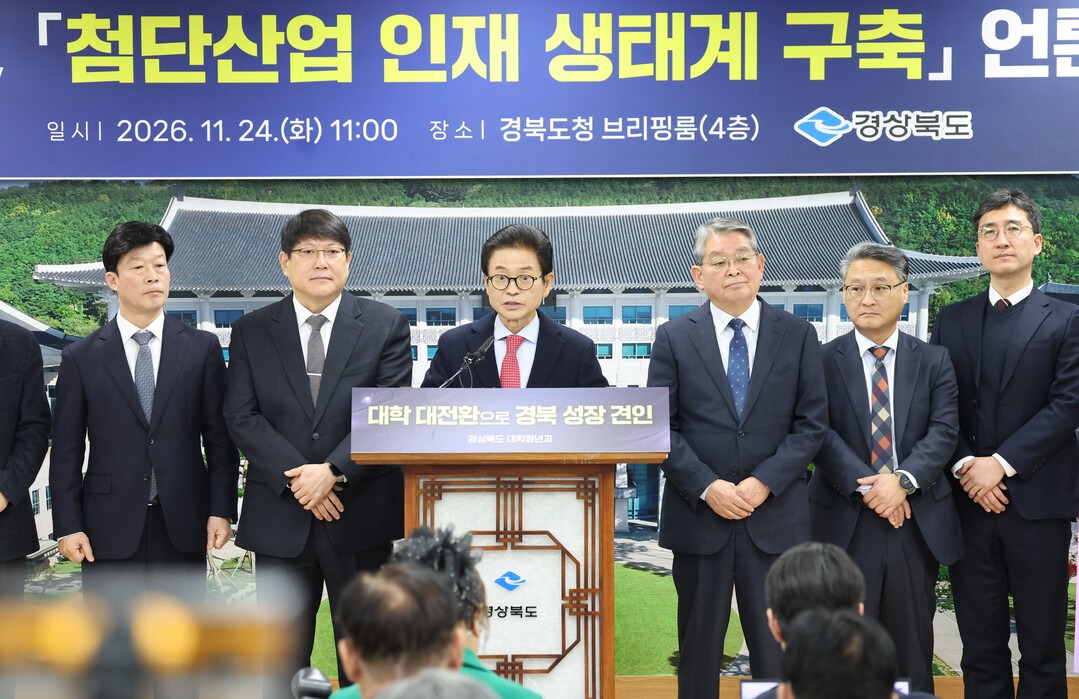
While expressing strong commitment to local execution, Governor Lee also called on the central government to ensure long-term policy stability. Pointing to shifting national frameworks—such as frequent restructuring of regional university support models and changing budget criteria—he argued that higher education policy requires the same institutional continuity as the U.S. Federal Reserve. He urged Seoul to grant provincial governments greater autonomy and financial authority to see the long-term initiative through.
Challenging a traditional Korean proverb that advises sending youth to the capital for success, Lee concluded that the AI era is reshaping geographic opportunities. "The future is not something we wait for, but something we prepare for," he said, emphasizing that investing in local talent will drive shared prosperity for both the region and the nation.
[Copyright (c) Global Economic Times. All Rights Reserved.]