• 2026.11.10 (Tue)
  • All articles
  • LOGIN
  • JOIN
Global Economic Times
[등록] 2026-09-01 15:48:31
  • Synthesis
  • World
  • Business
  • Industry
  • ICT
  • Distribution Economy
  • Well+Being
    • Pet Life
    • Halal Horizon
  • Travel
  • Eco-News
  • Education
  • Korean Wave News
  • Opinion
  • Arts&Culture
  • Sports
  • People & Life
    • International Student Report
    • With Ambassador
  • Column
    • Cho Kijo Column
    • Cherry Garden Story
    • Ko Yong-chul Column
    • Kim Bong-seon's Photo Column
    • Kim Seul-Ong Column
    • Lee Yeon-sil Column
  • Photo News
  • New Book Guide
MENU
 
Home > Column > Cherry Garden Story

Soju: Korea's Beloved Spirit

LEE YEON SIL Reporter / Updated : 2024-12-19 12:16:30
  • -
  • +
  • Print

Soju, a distilled spirit originating from Korea, has gained significant global popularity in recent years, especially among younger generations. This clear, colorless liquor, often compared to vodka, is a staple of Korean culture and is typically enjoyed neat or mixed with various beverages.

History and Production

Soju's history can be traced back centuries. Traditionally made from rice, it has evolved over time to include other starches such as sweet potato, wheat, or barley. The distillation process involves fermenting grains to produce alcohol, which is then purified and diluted to the desired proof.

Taste and Serving

Soju is known for its smooth and slightly sweet taste, with a lower alcohol content compared to many Western spirits. Its versatility makes it a popular choice for a wide range of occasions. Soju is often consumed chilled and served in small glasses, and it can be enjoyed on its own or as a mixer in cocktails. Popular soju cocktails include soju bombs, soju mixed with fruit juices, and soju mixed with beer.

Cultural Significance

Soju plays a central role in Korean culture and is often associated with social gatherings and celebrations. It is commonly consumed with Korean barbecue, fried chicken, and other traditional dishes. Soju has also become a symbol of Korean identity and has helped to promote Korean culture around the world.

Global Popularity

The global popularity of soju can be attributed to several factors, including its affordability, versatility, and association with Korean pop culture. Soju has become a trendy drink in many countries, particularly among young people. As Korean cuisine and culture continue to gain traction worldwide, soju is expected to become even more popular in the years to come.

Conclusion

Soju is more than just a spirit; it is a cultural icon that has captured the hearts of people around the world. With its smooth taste, affordability, and versatility, soju is poised to continue its global ascent.

[Copyright (c) Global Economic Times. All Rights Reserved.]

  • #globaleconomictimes
  • #koyongchul
  • #cherrylee
  • #seoulkorea
  • #periodicoeconomico
  • #글로벌이코노믹타임즈
  • #GET
  • #GETtv
  • #liderdel
LEE YEON SIL Reporter

Popular articles

  • Samsung Unveils 'Galaxy SmartTag3': Enhanced Tracking and Pet Safety Features

  • Seoul Cracks Down on Unregistered Home-Based Pet-Sitting Services amid Safety Concerns

  • Japan's First Disney Cruise Set to Launch in 2029: The Second in Asia Following Singapore

I like it
Share
  • Facebook
  • X
  • Kakaotalk
  • LINE
  • BAND
  • NAVER
  • https://globaleconomictimes.kr/article/1065582924977715 Copy URL copied.
Comments >

Comments 0

Weekly Hot Issue

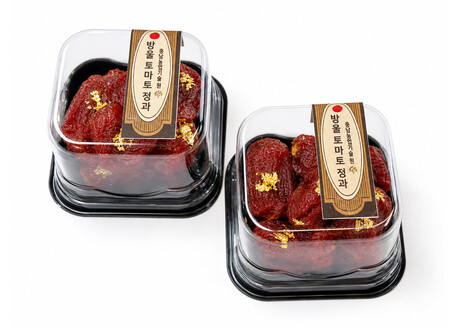
  • Chungnam Province Introduces Low-Calorie Cherry Tomato Confection Crafted with Allulose
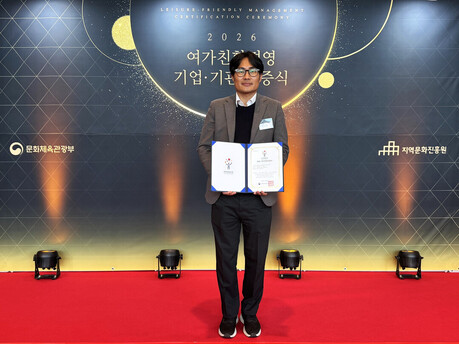
  • Chungnam Culture & Tourism Foundation Secures Leisure-Friendly Recertification from South Korea's Ministry of Culture
  • Andong Rebounds: JEO Food Launches State-of-the-Art Facility 595 Days After Wildfire
  • Gyeongsangbuk-do Pushes to Transform Yeongilman Port into Strategic Material and Eco-Friendly Energy Hub
  • Gyeongbuk Province and Nara Prefecture Launch Permanent Academic Partnership
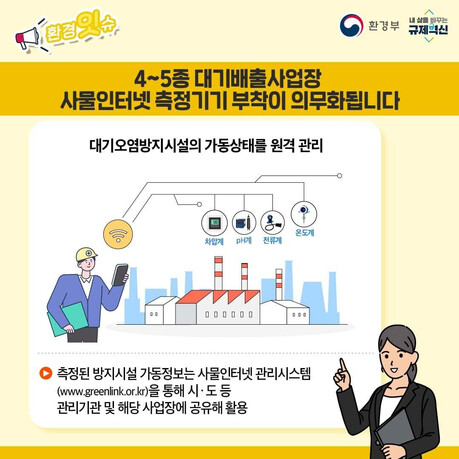
  • Chungnam Urges Class 4 & 5 Facilities to Install IoT Monitors by Year-End, Offering Subsidies

Most Viewed

1
Why Can't We Use 'Muse' in Korea?… Zuckerberg Says, "Due to a Lack of Data Centers"
2
US Army Conducts Rare Temporary Burial Drills to Prepare for Worst-Case Large-Scale War Scenarios
3
World Citizens are Flying Directly to Busan... The Era of 4 Million Foreigners is Just Around the Corner
4
Eating 100g of Baechu Kimchi Daily Linked to Lower High-Cholesterol Risks
5
November Shopping Festival Sparks Retail War in South Korea: Where to Find the Best Deals
체리가든 스토리
nutri huevos
로타리
동포저널

Hot Issue

Nvidia Faces Governance Scrutiny as CEO Jensen Huang Admits to Affair Linked to Security Probe 

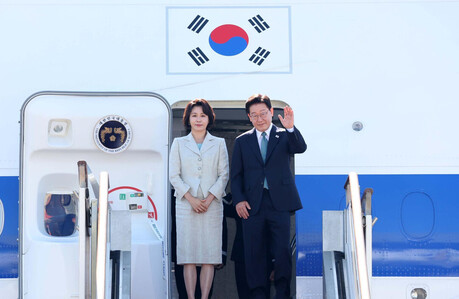
Police investigating "Air Force One" personal info leak: "Investigating how it was uploaded"

Calls for Reform After Systemic Pressure and Bullying Uncovered at Naju Middle School

Fashion Runway Show 2026

Let’s recycle the old blankets in Jeju Island’s closet instead of incinerating them.

Global Economic Times
korocamia@naver.com
CEO : LEE YEON-SIL
Publisher : KO YONG-CHUL
Registration number : Seoul, A55681
Registration Date : 2024-10-24
Youth Protection Manager: KO YONG-CHUL
Singapore Headquarters
5A Woodlands Road #11-34 The Tennery. S'677728
Korean Branch
Phone : +82(0)10 4724 5264
#304, 6 Nonhyeon-ro 111-gil, Gangnam-gu, Seoul
Copyright © Global Economic Times All Rights Reserved
  • News K
  • 반달곰 프로젝트
  • 광고문의
Search
Category
  • All articles
  • Synthesis
  • World
  • Business
  • Industry
  • ICT
  • Distribution Economy
  • Well+Being 
    • 전체
    • Pet Life
    • Halal Horizon
  • Travel
  • Eco-News
  • Education
  • Korean Wave News
  • Opinion
  • Arts&Culture
  • Sports
  • People & Life 
    • 전체
    • International Student Report
    • With Ambassador
  • Column 
    • 전체
    • Cho Kijo Column
    • Cherry Garden Story
    • Ko Yong-chul Column
    • Kim Bong-seon's Photo Column
    • Kim Seul-Ong Column
    • Lee Yeon-sil Column
  • Photo News
  • New Book Guide
  • Overseas Koreans
  • Multicultural News