![[등록] 2026-09-01 15:48:31](/support/_updata/banner2/tl181982910_6749.png)


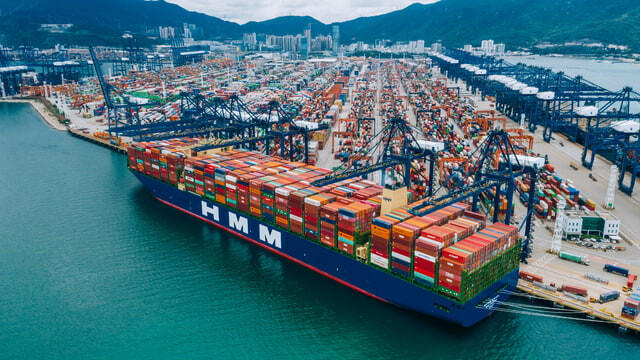
Maritime shipping costs for exports originating from South Korea and destined for the United States have registered a decline for the second consecutive month, signaling a potential recalibration in global trade flows and the enduring impact of trade policies enacted by the previous U.S. administration. The recent data released by the Korea Customs Service on the 15th sheds light on the evolving dynamics of international freight rates, particularly concerning trans-Pacific routes.
According to the report, the cost of shipping a 2TEU (forty-foot equivalent unit) container to the U.S. West Coast in the preceding month stood at 5,356,000 Korean Won (KRW), marking a significant 13.1% decrease compared to the month prior. Similarly, the shipping costs for maritime exports to the U.S. East Coast witnessed a 6.4% contraction during the same period, settling at 6,173,000 KRW. This sustained decrease over two months underscores a notable shift in the economic landscape governing transatlantic trade.
Analysts attribute this downward trajectory, at least in part, to the lingering effects of the tariff barriers erected during the former U.S. administration. These trade restrictions, imposed with the aim of bolstering domestic industries and addressing trade imbalances, appear to be exerting a tangible influence on the volume of South Korean exports heading towards American shores. While the overall export figures to the U.S. for the past month indicated a modest 2.3% year-on-year increase, a closer examination reveals a more nuanced picture. Key export sectors, including automobiles and general machinery – historically significant contributors to South Korea's trade surplus with the U.S. – experienced a contraction in export volumes. This suggests that the imposed tariffs are indeed beginning to bite, potentially dampening demand and altering established supply chains.
Furthermore, the decline in shipping costs is not solely confined to U.S.-bound routes. The Korea Customs Service data also indicated a decrease in maritime export shipping costs to other crucial trading partners. Shipments destined for the European Union (EU) saw a 2.7% reduction in costs, while those heading to Vietnam experienced a 0.9% decrease. This broader trend suggests that factors beyond U.S. trade policy might be at play, including overall global demand fluctuations and evolving logistical efficiencies within the maritime transport sector.
The impact of the U.S. tariffs on global maritime freight rates is further corroborated by the recent performance of the Shanghai Containerized Freight Index (SCFI). The SCFI, a widely recognized benchmark for spot freight rates on major global shipping routes, has witnessed a substantial decline in recent months. From a level of 2460 on December 27th of the preceding year, the index plummeted to 1293 by the 21st of last month. This dramatic decrease underscores a significant softening in global shipping demand and pricing power, potentially influenced by a confluence of factors, including the aforementioned trade barriers and broader macroeconomic conditions.
The implications of these declining shipping costs are multifaceted and warrant careful consideration. For South Korean exporters, lower transportation expenses could offer a temporary respite, potentially offsetting some of the adverse effects of the U.S. tariffs by making their goods relatively more competitive in the American market. However, this benefit could be short-lived if the underlying decrease in shipping demand reflects a broader contraction in global trade volumes or a sustained reduction in U.S. appetite for South Korean goods due to the tariffs.
Moreover, the downward trend in shipping costs could also signal a shift in the bargaining power within the global logistics chain. Shipping companies, facing reduced demand or increased capacity, may be compelled to lower their rates to attract business, impacting their profitability. This could have long-term consequences for investment in new vessels and infrastructure within the maritime transport industry.
The trade policies of the former U.S. administration were predicated on the principle of protecting domestic industries and rectifying perceived unfair trade practices. However, the ensuing imposition of tariffs has triggered a complex chain of reactions in the global economy. While the intended outcome was to stimulate domestic production and reduce reliance on imports, the evidence suggests that these measures have also contributed to increased costs for American consumers and businesses, disrupted established supply chains, and potentially dampened overall trade volumes. The decline in shipping costs for U.S.-bound exports could be an indirect consequence of this disruption, reflecting a reduced flow of goods across the Pacific.
Looking ahead, the trajectory of maritime shipping costs will likely be influenced by a complex interplay of factors. The future direction of U.S. trade policy under the current administration remains a key determinant. Any potential easing or further intensification of trade tensions and tariff regimes could have a significant impact on export volumes and, consequently, shipping demand and prices. Furthermore, broader global economic growth prospects, consumer demand in key markets, and geopolitical stability will also play crucial roles in shaping the dynamics of international trade and transportation costs.
For South Korea, navigating this evolving landscape requires a strategic approach. Diversifying export markets, strengthening the competitiveness of key industries through innovation and efficiency improvements, and actively engaging in multilateral trade negotiations will be crucial for mitigating the potential negative impacts of protectionist trade policies. The recent decline in shipping costs offers a window of opportunity for South Korean exporters, but a proactive and adaptive strategy will be essential to ensure long-term trade resilience and sustained economic growth in an increasingly complex global trade environment. Monitoring global trade trends, analyzing the specific impacts of trade policies on key export sectors, and fostering strong relationships with diverse trading partners will be paramount for South Korea's continued economic prosperity in the face of these evolving international trade dynamics. The current dip in shipping costs serves as a reminder of the intricate interconnectedness of the global economy and the far-reaching consequences of unilateral trade actions.
[Copyright (c) Global Economic Times. All Rights Reserved.]