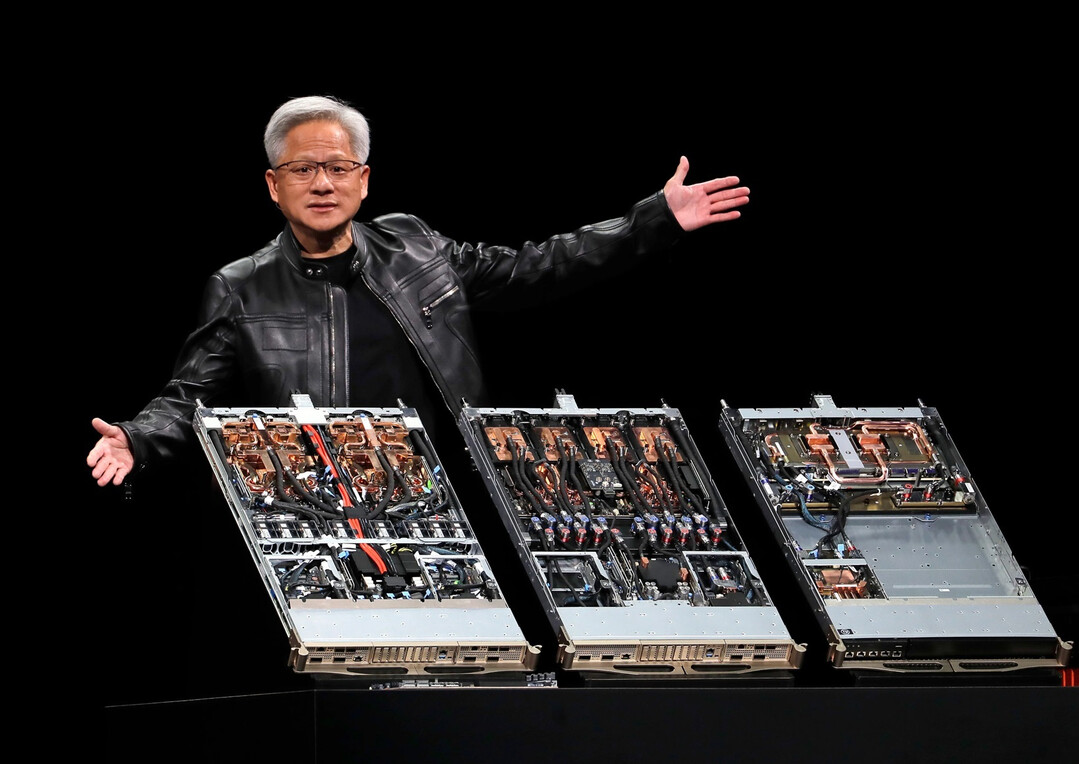
WASHINGTON — Momentum is rapidly building in the U.S. Congress to dramatically tighten export controls on advanced semiconductors to China, catalyzed by a recent high-profile security and ethics scandal involving Nvidia CEO Jensen Huang.
According to a report by The Wall Street Journal on Tuesday (local time), bipartisan lawmakers are pushing to attach a package of three major semiconductor export control bills to the upcoming National Defense Authorization Act (NDAA). The NDAA is an annual legislative vehicle that sets policy and spending for the U.S. Department of Defense.
The proposed legislation centers on three key bills:
The AI Overwatch Act: Establishes direct congressional oversight over exports of advanced artificial intelligence semiconductors to adversarial nations like China, granting Congress the authority to review and block proposed executive branch approvals.
The Chip Security Act: Mandates the integration of advanced tracking and security hardware into high-end semiconductors to prevent them from being smuggled or diverted into China through third-party nations.
The MATCH Act: Exerts pressure on U.S. allies—such as Japan and the Netherlands—to align their domestic export controls on semiconductor manufacturing equipment with stringent U.S. standards, aiming to choke off China's access to advanced chip-making machinery.
A Scandal Fuels Legislative Urgency
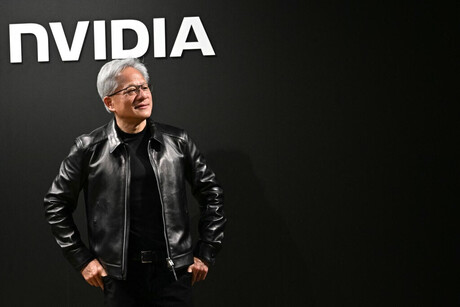
The sudden legislative sprint follows explosive reports linking Nvidia CEO Jensen Huang to a romantic relationship with Alice Hwang, a former executive at Singapore-based data center firm Megaspeed. Alice Hwang is currently under investigation by U.S. authorities over allegations of illicitly funneling Nvidia AI chips to Chinese entities.
According to Reuters, the relationship allegedly facilitated the unauthorized transfer and routing of approximately 240,000 high-performance Nvidia processors—including high-end H100, H200, and A100 chips—valued at least $7.5 billion, to Chinese corporations through smuggling and cloud-computing lease workarounds.
While the incoming administration and close tech-lobby ties initially slowed regulatory tightening, the combination of the Nvidia scandal and the Democratic Party's capture of both chambers in the midterm elections has provided fresh political oxygen for the hawkish measures.
Hakeem Jeffries, the Democratic House leader widely tipped as the next Speaker, has vowed to push for the inclusion of these provisions in the final NDAA package. Meanwhile, a coalition of prominent Republican lawmakers—including Senators Jim Banks and Pete Rickets, House Foreign Affairs Chairman Brian Mast, and Select Committee on the Chinese Communist Party Chairman John Moolenaar—are spearheading the regulatory push.
Despite the renewed momentum, analysts note that the NDAA remains vulnerable to gridlock, and individual provisions may be modified or dropped during fierce bipartisan and bicameral negotiations, leaving the final outcome uncertain.
Implications for South Korean Chipmakers
Industry insiders are watching the legislative developments closely, as the proposed regulations carry significant implications for South Korean semiconductor giants with manufacturing footprints in China, namely Samsung Electronics and SK Hynix.
Under the proposed MATCH Act, if U.S. allies fail to align their chip-equipment export controls with Washington within a specified 150-day window, the U.S. government could unilaterally impose secondary restrictions on allied-produced manufacturing equipment that incorporates American technology or components. Such a move could heavily restrict equipment imports and facility upgrades for Samsung’s NAND flash plant in Xi'an and SK Hynix’s DRAM and NAND facilities in Wuxi and Dalian.
On the other hand, some industry observers suggest that tightening the noose around Chinese semiconductor firms could handicap their technological advancement and capacity scaling, potentially granting South Korean competitors a strategic edge in the global market.
[Copyright (c) Global Economic Times. All Rights Reserved.]