• 2026.11.29 (Sun)
  • All articles
  • LOGIN
  • JOIN
Global Economic Times
한인동포뉴스(상단)
  • Synthesis
  • World
  • Business
  • Industry
  • ICT
  • Distribution Economy
  • Well+Being
    • Pet Life
    • Halal Horizon
  • Travel
  • Eco-News
  • Education
  • Korean Wave News
  • Opinion
  • Arts&Culture
  • Sports
  • People & Life
    • International Student Report
    • With Ambassador
  • Column
    • Cho Kijo Column
    • Cherry Garden Story
    • Ko Yong-chul Column
    • Kim Bong-seon's Photo Column
    • Kim Seul-Ong Column
    • Lee Yeon-sil Column
    • Professor Lee Soo-young’s Life Essays
  • Photo News
  • New Book Guide
MENU
 
Home > ICT

South Korean Chipmakers Face Dual Headwinds: U.S. Tariff Threats and Cooling Memory Forecasts

Graciela Maria Reporter / Updated : 2026-11-29 10:54:29
  • -
  • +
  • Print

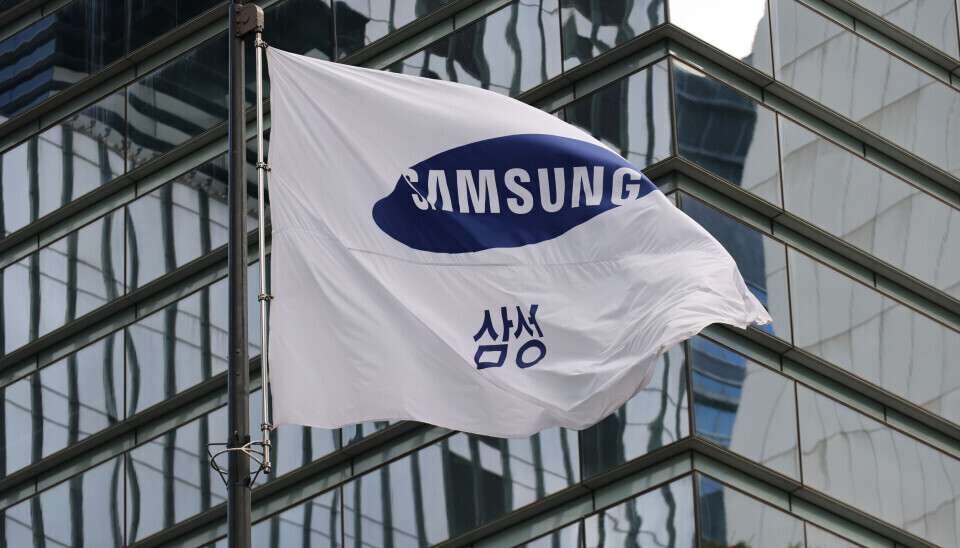
SEOUL — Despite riding an unprecedented wave of artificial intelligence-driven profits, South Korea’s memory chip giants, Samsung Electronics and SK Hynix, are bracing for a turbulent 2027 as geopolitical trade friction collides with emerging doubts over the longevity of the semiconductor boom.

At the center of the geopolitical storm is a recent Section 301 report from the Office of the U.S. Trade Representative (USTR). Washington has scrutinized Seoul’s state-backed industrial policies—specifically pointing to the massive 800-trillion-won Honam semiconductor cluster initiative, tax breaks, and infrastructure subsidies—as catalysts for market oversupply. Citing the two Korean firms' dominant global market shares of 70% in DRAM and 51% in NAND flash, the USTR signaled that tariffs of up to 25% remain on the table depending on bilateral trade compliance.

Korean industry insiders largely view the tariff threat as a negotiating tactic rather than a policy destined for enforcement, arguing that duties on memory chips would ultimately backfire by inflating hardware costs for American tech giants. Instead, executives see the report as thinly veiled pressure to bring core memory fabrication onto U.S. soil.

While Samsung is constructing a foundry in Texas and SK Hynix is building an advanced packaging facility in Indiana, neither operates front-end memory wafer fabs in the United States. SK Hynix is weighing a stateside NAND facility via its subsidiary Solidigm, but no final commitments have been made. Industry leaders warn that shifting high-volume memory production to the U.S. would severely erode margins due to higher operating costs, creating a capital allocation dilemma alongside ongoing mega-projects at home, such as the Yongin cluster.

Compound the trade pressure with shifting market dynamics, and strategic planning becomes even more delicate. Market tracker TrendForce recently warned of softening DRAM procurement momentum as supply chain players recalibrate their 2027–2028 roadmaps. The firm flagged several potential drags on demand: weaker server orders from Chinese cloud operators, tighter U.S. export curbs, potential shifts in Nvidia's financing for specialized AI cloud providers, and a possible post-midterm slowdown in U.S. data center builds. Consequently, TrendForce expects DRAM price growth to plateau in late 2027 before declining in 2028—or potentially as early as Q4 2027 in a downturn scenario. NAND flash faces steeper headwinds, with prices projected to slip by up to 5% in early 2027 amid sluggish enterprise SSD demand from China.

South Korean chipmakers, however, remain defiant against talk of an impending slump. Industry sources suggest that recent chatter of cooling demand may simply be a bargaining ploy by cash-strapped buyers seeking leverage after steep price hikes. Executives emphasize that long-term supply agreements remain intact through 2028, with Samsung DS strategy chief Kim Yong-kwan recently asserting in Singapore that current capital expenditures are anchored in verified demand rather than speculative hype.

Nevertheless, market observers note that the trajectory of South Korea's chip sector hinges heavily on whether U.S. hyperscalers follow through on their ambitious AI infrastructure budgets, warning that any hesitation in data center spending could swiftly ripple through the global memory supply chain.

[Copyright (c) Global Economic Times. All Rights Reserved.]

  • #Cherry Garden
  • #HalalFood
  • #Halal
  • #Petlife
  • #Cats
  • #Dogs
  • #Halalhorizone
  • #Hormuz Impasse
  • #Joseon
  • #globaleconomicti
Graciela Maria Reporter

Popular articles

  • U.S. President Pledges to Keep Aggressive Tariff Stance Following Midterm Setback

  • Lotte Mall West Lake Hanoi Hits 1 Trillion Won Milestone Three Years Post-Launch

  • "Chilean Wine is More Than Just Cabernet Sauvignon"… Cono Sur Bets Big on Pinot Noir

I like it
Share
  • Facebook
  • X
  • Kakaotalk
  • LINE
  • BAND
  • NAVER
  • https://globaleconomictimes.kr/article/1065577991733491 Copy URL copied.
Comments >

Comments 0

Weekly Hot Issue

  • Samsung Electro-Mechanics Plunges Over 60% From Peak as AI Rally Cools
  • Gold Prices Eye Rate Peak and Liquidity Return for Next Rally
  • Shipbuilding Becomes HD Hyundai’s Top Cash Cow… Oil Refining, Once Paying 400 Billion Won in Dividends, Drops to 'Zero'
  • The Twist Behind a Cleansing Balm Jar… Why CJ CheilJedang Launched a Planet in Seongsu-dong
  • LG Electronics Meets Future Customers on Mexican Campus… Opens First Overseas ‘Another Campus’
  • Seoul Stocks Face Prolonged Consolidation as Tariff Risks and Fed Policy Fuel Sharp Swings

Most Viewed

1
Memory Chip Rout Deepens as Wall Street Questions AI Spending and DRAM Pricing
2
Exercise Beats Diet in Extending Lifespan, Major Review Finds
3
South Korean Burger Chain Lotteria Expands Singapore Footprint with Halal Certification and New Teriyaki Lineup
4
AI Semiconductor Stocks Plummet: Philadelphia Index Drops 5.28% and Micron Plunges 7.59% Amid Executive Shakeup and Export Restrictions
5
"Stay Out, Get Paid, or Have Police Stay With You": Shenzhen Imposes Strict Security Ahead of APEC Summit
체리가든 스토리
nutri huevos
로타리
동포저널

Hot Issue

South Korea’s Chip-Fueled 4% Growth Masks Deepening Domestic Divide

LG Electronics Meets Future Customers on Mexican Campus… Opens First Overseas ‘Another Campus’

Autonomous Heavy Trucks Step Up to Solve South Korea’s Logistics Labor Crisis

Fashion Runway Show 2026

Let’s recycle the old blankets in Jeju Island’s closet instead of incinerating them.

Global Economic Times
korocamia@naver.com
CEO : LEE YEON-SIL
Publisher & Editor : KO YONG-CHUL
Registration number : Seoul, A55681
Registration Date : 2024-10-24
Youth Protection Manager: KO YONG-CHUL
Singapore Headquarters
5A Woodlands Road #11-34 The Tennery. S'677728
Korean Branch
Phone : +82(0)10 4724 5264
#304, 6 Nonhyeon-ro 111-gil, Gangnam-gu, Seoul
Copyright © Global Economic Times All Rights Reserved
  • News K
  • 반달곰 프로젝트
  • 광고문의
Search
Category
  • All articles
  • Synthesis
  • World
  • Business
  • Industry
  • ICT
  • Distribution Economy
  • Well+Being 
    • 전체
    • Pet Life
    • Halal Horizon
  • Travel
  • Eco-News
  • Education
  • Korean Wave News
  • Opinion
  • Arts&Culture
  • Sports
  • People & Life 
    • 전체
    • International Student Report
    • With Ambassador
  • Column 
    • 전체
    • Cho Kijo Column
    • Cherry Garden Story
    • Ko Yong-chul Column
    • Kim Bong-seon's Photo Column
    • Kim Seul-Ong Column
    • Lee Yeon-sil Column
    • Professor Lee Soo-young’s Life Essays
  • Photo News
  • New Book Guide
  • Overseas Koreans
  • Multicultural News