• 2025.12.17 (Wed)
  • All articles
  • LOGIN
  • JOIN
Global Economic Times
APEC2025KOREA가이드북
  • Synthesis
  • World
  • Business
  • Industry
  • ICT
  • Distribution Economy
  • Well+Being
  • Travel
  • Eco-News
  • Education
  • Korean Wave News
  • Opinion
  • Arts&Culture
  • Sports
  • People & Life
  • Column
    • Cho Kijo Column
    • Lee Yeon-sil Column
    • Ko Yong-chul Column
    • Cherry Garden Story
  • Photo News
  • New Book Guide
MENU
 
Home > Industry

Seoul and Gyeonggi Villa Rental Market Shifts to Monthly Rent as Jeonse Fraud Concerns Rise

Hwang Sujin Reporter / Updated : 2024-12-16 10:11:20
  • -
  • +
  • Print


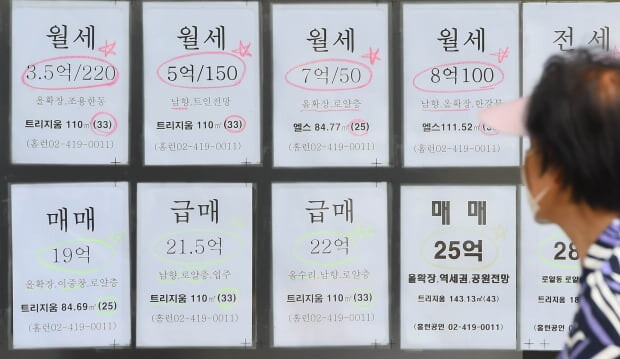
Seoul, South Korea – The proportion of monthly rent contracts in Seoul and Gyeonggi-do's villa rental market has surpassed 50% for the first time this year, a significant shift driven by concerns over "jeonse fraud" incidents.

Jeonse is a unique South Korean rental system where tenants pay a large lump-sum deposit at the start of the lease, which is returned at the end, often without interest. However, a series of fraud cases involving landlords failing to return jeonse deposits has eroded trust in this system.

According to data from the Ministry of Land, Infrastructure and Transport, monthly rent contracts accounted for 53.6% of all villa rental contracts in Seoul this year, marking a significant increase from 29.5% in 2020. This trend is even more pronounced when compared to apartment rentals, where monthly contracts account for 41.6%.

Key factors driving the shift:

Jeonse fraud: A series of high-profile jeonse fraud cases has made tenants wary of the system, leading them to opt for monthly rent contracts instead.
Interest rate hikes: Rising interest rates have made it more expensive for landlords to finance jeonse deposits, pushing them to seek monthly rent contracts.
Affordability: Monthly rent contracts are often more affordable for tenants, especially those with limited upfront capital.

Impact on the rental market:

Rising monthly rents: As demand for monthly rent contracts increases, so too have rental rates. In both Seoul and Gyeonggi-do, average monthly rents for villas have reached their highest levels in recent years.
Foreign investment: The shift towards monthly rent contracts has attracted foreign investors, particularly private equity firms, who see opportunities in the growing South Korean rental market.
Tenant burden: While monthly rent contracts offer more flexibility, they can also lead to higher overall housing costs for tenants, as they pay rent continuously rather than a large lump sum upfront.

Expert commentary:

"The jeonse fraud scandal has fundamentally changed the villa rental market," said [Name], a real estate expert. "Monthly rent is now the new normal for many tenants, as they prioritize security over upfront costs. However, this shift also means that tenants are facing increased housing costs."

[Copyright (c) Global Economic Times. All Rights Reserved.]

  • #globaleconomictimes
  • #koyongchul
  • #cherrylee
  • #seoulkorea
  • #periodicoeconomico
  • #글로벌이코노믹타임즈
  • #GET
  • #GETtv
  • #liderdel
Hwang Sujin Reporter

Popular articles

  • From Court to Content: French Tennis Star Océane Dodin Trades Racquet for OnlyFans, Eyes $5M in a Year

  • Kimchi's Day Celebrated with a Glimpse into its Future

  • UNIQLO's Collaboration Strategy: Designer Fashion Meets Mass Appeal

I like it
Share
  • Facebook
  • X
  • Kakaotalk
  • LINE
  • BAND
  • NAVER
  • https://globaleconomictimes.kr/article/1065575437262080 Copy URL copied.
Comments >

Comments 0

Weekly Hot Issue

  • 'AI' Dominates 2025 Book Titles in South Korea
  • End-of-Year Concert Extravaganza: Jo Sumi, Geum Nan-sae, and Danny Koo Headline Diverse Lineup
  • R.E.D. Sectors Poised for Growth in 2026, the Year of the 'Red Horse,' Driven by AI Investment Boom
  • South Korea Launches $115 Million Export Voucher Program to Boost SME Global Reach
  • Extension Granted for '2026 Honors for SME Contributors' Application
  • 44% of Recent Construction Projects Report Deficits, Industry Survey Finds

Most Viewed

1
Choi Bun-do, Chairman of PTV Group, Assumes Presidency of the Korean Chamber of Commerce and Industry in South Central Vietnam
2
From Court to Content: French Tennis Star Océane Dodin Trades Racquet for OnlyFans, Eyes $5M in a Year
3
Lee Dismisses Vice Minister Amid Allegations of Misconduct and Vetting Gaps
4
NVIDIA Lobby Succeeds? U.S. Bill Expected to Drop AI Chip Export Restrictions
5
US Layoffs Surge: Over 1.17 Million Job Cuts Announced in First 11 Months of 2025
광고문의
임시1
임시3
임시2

Hot Issue

South Korean AI Models Flunk College Entrance Math Exams, Lagging Far Behind Global Leaders

KRX Temporarily Slashes Stock Trading Fees by 20-40% to Counter ATS Rival

Israel Condemns Australia After Sydney Shooting, Citing 'Fueling' of Anti-Semitism

Lotte Mart Launches Major Imported Fruit Discount Event Amid High Prices

Let’s recycle the old blankets in Jeju Island’s closet instead of incinerating them.

Global Economic Times
korocamia@naver.com
CEO : LEE YEON-SIL
Publisher : KO YONG-CHUL
Registration number : Seoul, A55681
Registration Date : 2024-10-24
Youth Protection Manager: KO YONG-CHUL
Singapore Headquarters
5A Woodlands Road #11-34 The Tennery. S'677728
Korean Branch
Phone : +82(0)10 4724 5264
#304, 6 Nonhyeon-ro 111-gil, Gangnam-gu, Seoul
Copyright © Global Economic Times All Rights Reserved
  • 에이펙2025
  • APEC2025가이드북TV
  • 독도는우리땅
Search
Category
  • All articles
  • Synthesis
  • World
  • Business
  • Industry
  • ICT
  • Distribution Economy
  • Well+Being
  • Travel
  • Eco-News
  • Education
  • Korean Wave News
  • Opinion
  • Arts&Culture
  • Sports
  • People & Life
  • Column 
    • 전체
    • Cho Kijo Column
    • Lee Yeon-sil Column
    • Ko Yong-chul Column
    • Cherry Garden Story
  • Photo News
  • New Book Guide
  • Multicultural News
  • Jobs & Workers