



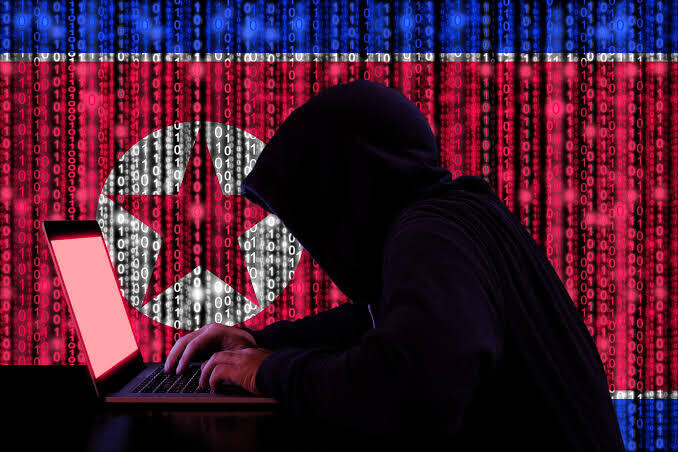
SEOUL — Cybersecurity researchers have uncovered a sophisticated cyberattack campaign targeting attendees of political seminars, orchestrated by actors suspected to have ties to North Korea.
According to reports from domestic security firm Genians, the threat actors—attributed with moderate confidence to the notorious state-sponsored hacking group known as Kimsuky—targeted individuals who participated in a National Assembly seminar back in September.
A Psychological Trap: The Two-Step Email Tactic
The attackers initiated the compromise by sending spear-phishing emails disguised as correspondence from a senior secretary at a South Korean lawmaker’s office. Titled "Request for Seminar Honorarium Documents," the messages urged recipients to complete and return an attached payment application form.
Security analysts highlighted a clever social engineering tactic used in the opening phase: the initial email contained no attachments. When targets replied pointing out the missing files, the hackers capitalized on the victims' expectations by replying with a malicious archive file under the guise of "resending the requested documents." This maneuver successfully bypassed immediate suspicion because the targets were actively waiting for the files they asked for.
Living off the Land and Public Memo Services
Once downloaded, the archive revealed a shortcut file (.LNK) disguised as a standard Korean HWP document. Executing the file triggered Windows PowerShell in the background to silently fetch secondary payloads from an external server, while simultaneously opening a legitimate-looking honorarium form to maintain the illusion of a normal document. The script also embedded scheduled tasks to ensure persistence on the compromised machine.
In a departure from traditional infrastructure, the operators utilized a publicly accessible online memo service as their Command and Control (C2) channel. The infected host regularly polled the memo page for freshly posted instructions. This technique allowed the hackers to alter attack vectors or distribute updated malware simply by editing text on a public notepad, minimizing their digital footprint.
Defense Recommendations
Genians Security Center (GSC) noted overlapping indicators with historic Kimsuky operations, though they kept analytical confidence at a moderate level due to the potential mimicry of tactics by other groups.
Security experts warn that traditional blocklisting of specific IPs or file hashes is proving insufficient against modern threats that leverage trusted third-party web services. Organizations and public offices are urged to deploy robust Endpoint Detection and Response (EDR) solutions capable of monitoring behavioral anomalies, such as unexpected PowerShell activity, unauthorized scheduled tasks, and abnormal outbound traffic patterns.
[Copyright (c) Global Economic Times. All Rights Reserved.]