October 25 is Dokdo Day… The Enduring Connection Between Geomundo and Dokdo, Guardians of Distant Seas
Encountering Dokdo in the Island Theme Zone: The Exhibition Asks, “What Do Islands Mean to Us?”
October 25 is 'Dokdo Day.' Historically and geographically, Dokdo is indisputably the territory of the Republic of Korea, standing guard at the easternmost edge of our seas. However, our land of Dokdo is not a place you can easily visit on a whim. Even after taking a ferry across the open sea, visitors are typically restricted to spending just about 30 minutes on the island, primarily around the Dongdo pier.
Distant yet deeply precious—marking Dokdo Day, the 2026 Yeosu World Island Exhibition poses a fundamental question once again: What do islands mean to us?
What the Islands at the Edge of the Sea Have Protected
Dokdo Day commemorates October 25, 1900, when the Korean Empire issued an imperial decree officially placing Dokdo under the jurisdiction of Ulleungdo. Dokdo holds profound significance as an integral part of our territory, both historically and geographically, and it remains crucial today to correctly understand and cherish its history and value. The fact that children grow up singing songs like "Dokdo is Our Land" reflects how irreplaceable Dokdo is to us.
Ultimately, Dokdo has been protected by the people who made the sea their home. During the reign of King Sukjong of the Joseon Dynasty, an ordinary fisherman from Dongnae named Ahn Yong-bok drove away Japanese fishermen who had intruded into the waters of Ulleungdo and Dokdo, even traveling all the way to Japan to assert our territorial rights. In the 1950s, young men from Ulleungdo formed the Dokdo Volunteer Guard (Dokdo-ui-yong-subidae), bravely staying on the island to protect it despite a severe lack of weapons and equipment.
Islands have always stood at the edge of the sea to protect us. The islands of the southern coast also carry a history of safeguarding their livelihoods against invasions that crossed the seas over centuries. Because the islands existed, the sea could remain our sea; and because people lived on them, the islands became living lands rather than mere dots on a map.
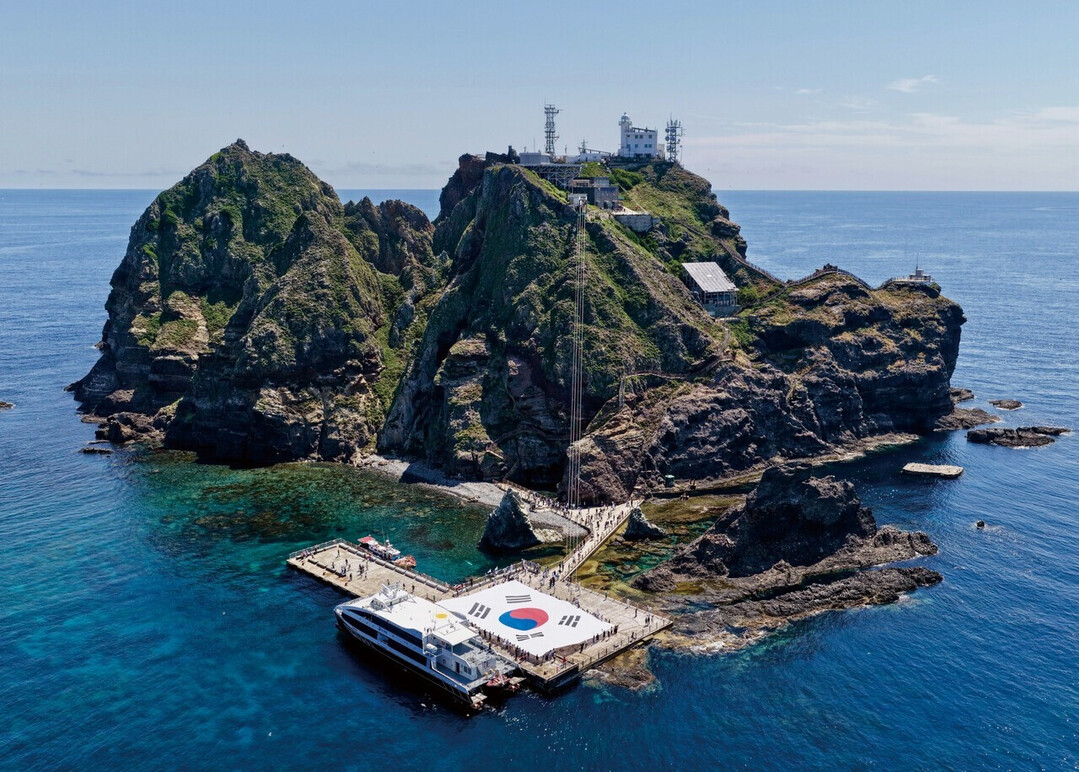
Geomundo and Dokdo: A Longstanding Connection
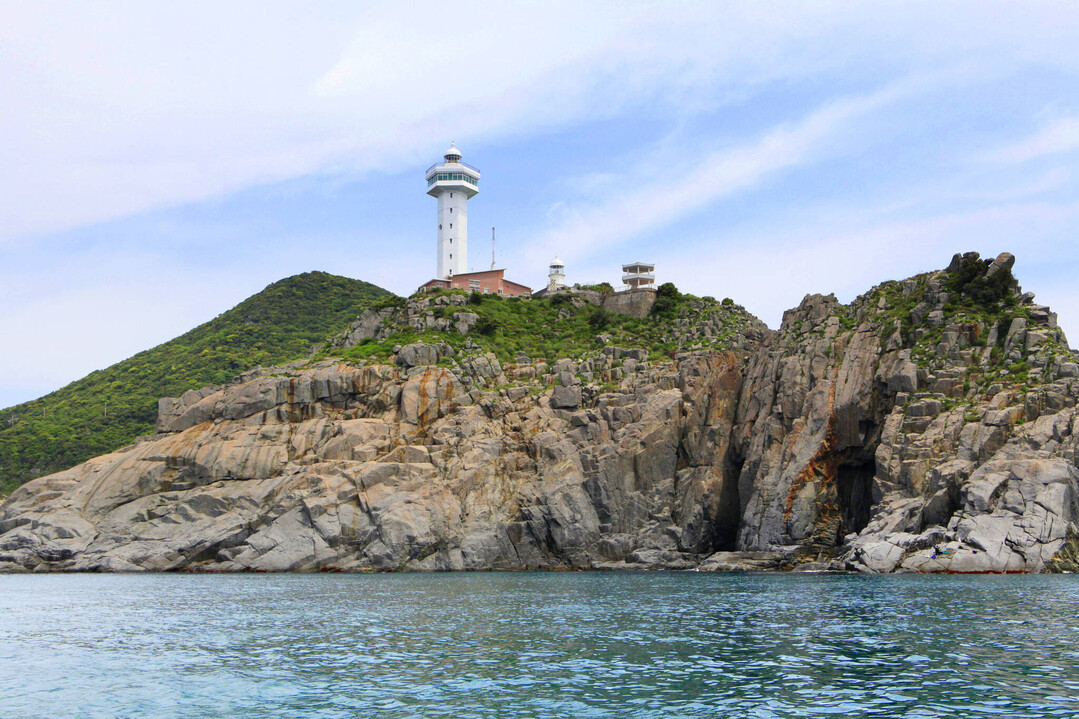
Going back in history, there is a deep, long-standing connection between the fishermen who traveled between Ulleungdo and Dokdo. Long ago, residents of Geomundo and Chodo in Yeosu crossed the distant seas to live and engage in fishing activities in Ulleungdo and Dokdo.
Records from Lee Gyu-won, who investigated Ulleungdo in 1882, document people from Jeolla Province engaging in logging and fishing there. Furthermore, records left by a Geomundo resident named Kim Byeong-sun note harvesting seaweed and catching sea lions (gangchi) on Dokdo. Today, while Ulleungdo and Dokdo may feel distant, they served as a vital livelihood where Geomundo fishermen once traveled across the sea to make a living.
These footsteps linking the East and South Seas demonstrate that islands were always connected through the ocean. Remembering Dokdo goes far beyond looking at Dokdo alone; it means remembering the history of the people who traveled to those islands and the lives embedded within our seas.
Encountering Our Island, Dokdo, at the Yeosu World Island Exhibition's Theme Zone
There is a place where you can closely experience Dokdo, an island that is otherwise difficult to reach: the Island Theme Zone at the exhibition venue. The Island Theme Zone features themed spaces representing notable islands from Korea and around the world, allowing visitors to feel as though they are traveling across multiple islands across the sea just by walking through the exhibition grounds.
In the Korean Islands section, visitors can encounter representative islands of our seas all in one place—from Dokdo at the eastern edge and Yeosu, which cradles 365 islands, to Gapado in the southern sea and Cheongsundo, well-known as a Slow City. Gathering islands scattered across the East Sea, South Sea, and Jeju waters in one location highlights just how vast our seas are and how diverse the islands and lives within them truly are. Islands that would normally take days to visit can be connected in a single afternoon stroll at the exhibition venue.
In the Global Islands section, visitors can explore Easter Island in Chile, famous for its giant statues; Madagascar, home to unique ecosystems; the Azores in the middle of the Atlantic; and the Maldives in the Indian Ocean. Observing our islands and the world’s islands side by side makes one realize that distant islands across the seas each harbor nature and culture worth protecting.
The Power to Protect Islands Lies in Our Attention
South Korea has 484 inhabited islands, a significant portion of which are losing their vitality due to population decline, aging, and climate change. Just as Dokdo has been protected through the sustained attention of many, other islands can only preserve their lives and landscapes when people remember and visit them.
This is precisely why the world’s first island exhibition was created. The vision is to view islands not merely as passing scenery, but as shared livelihoods and futures to protect together. Every single footstep of visitors to the exhibition ground translates into attention toward the islands and becomes the driving force safeguarding their tomorrow.
Kim Jong-ki, Secretary-General of the Organizing Committee, stated, "I hope that on the occasion of Dokdo Day, the exhibition venue will serve as an opportunity to reflect on the meaning of our islands and continue our warm interest in them."
[Copyright (c) Global Economic Times. All Rights Reserved.]