![[등록] 2026-09-01 15:48:31](/support/_updata/banner2/tl181982910_6749.png)


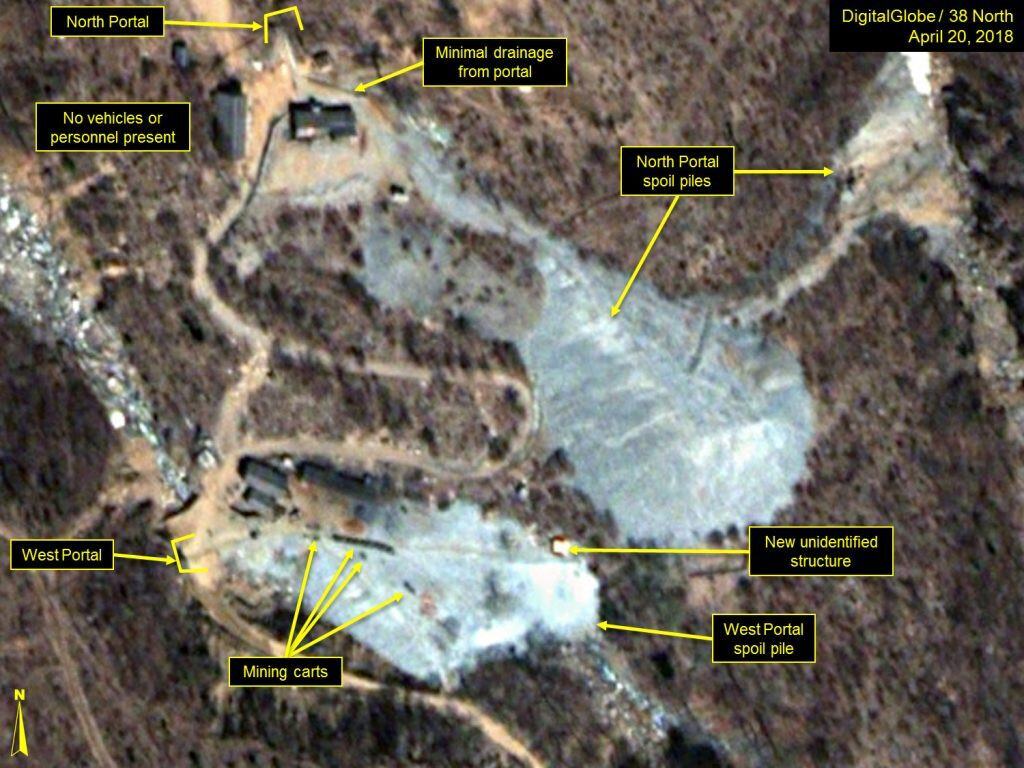
SEOUL — Nearly 30 percent of North Korean defectors who previously lived near the regime’s Punggye-ri nuclear test site have shown signs of chromosomal abnormalities associated with radiation exposure, South Korea’s Ministry of Unification revealed on July 31. However, health officials emphasized that a direct causal link to nuclear testing cannot be definitively established due to confounding lifestyle factors and a lack of environmental data from inside the isolated nation.
The findings stem from the fifth year of a ongoing health assessment program launched by the South Korean government. The initiative specifically targets defectors who originated from eight cities and counties surrounding the Punggye-ri site—including Kilju County, Hwadae County, Kimchaek City, and Paegam County—and who fled North Korea after October 9, 2006, the date of Pyongyang’s first underground nuclear test.
According to the ministry's report presented to the National Assembly, 26 out of 59 defectors tested during the latest survey cycle exceeded the minimum detection threshold of 0.25 Gy in stable chromosome aberration tests. This specific test measures accumulated, long-term radiation exposure over a person’s lifetime. Experts note that these results suggest potential past exposure to radioactive isotopes typically released during nuclear detonations, such as iodine-131, cesium-137, strontium-90, and plutonium-239, potentially transmitted through contaminated groundwater or air.
Additionally, six individuals tested above the threshold in unstable chromosome aberration tests, a marker used to detect radiation exposure within the preceding three to six months. This indicates that chromosomal damage may have continued or recently occurred in a subset of the affected group. Despite these structural genetic changes, health officials noted that none of the 26 individuals displaying abnormal results have been diagnosed with radiation-induced cancers to date.
Over the past five years, the Unification Ministry has tested a cumulative total of 214 defectors from the region. Among them, 64 individuals—representing 29.9 percent of the total cohort—exhibited stable chromosome aberrations. The proportion of individuals showing abnormal results has trended upward in recent test cycles, rising from 4 out of 30 in 2017 to 26 out of 59 in the latest evaluation.
Despite the notable statistics, government officials and medical experts urge caution in interpreting the data. Chromosomal mutations are not exclusively caused by nuclear fallout; they can also be triggered by heavy smoking, exposure to agricultural toxins, or routine medical imaging procedures such as CT scans and X-rays.
Defining a definitive causal relationship remains scientifically complex because researchers cannot gain access to the Punggye-ri region to collect soil, water, or atmospheric samples. Without baseline environmental data from North Korea, isolating nuclear radiation as the sole variable is virtually impossible.
Nevertheless, experts involved in the study maintain that nuclear testing remains a strong suspect. An official from the National Radiation Emergency Medical Center at the Korea Institute of Radiological and Medical Sciences stated that raising suspicions about radiation exposure given a 30 percent abnormality rate is "scientifically reasonable."
To build a clearer picture, researchers plan to continue expanding the sample size and conduct comprehensive statistical comparisons against control data from the general South Korean population.
Out of an estimated 800 defectors currently residing in South Korea who originated from the eight designated regions near the test site, the Unification Ministry plans to conduct tests on 50 new candidates and perform follow-up evaluations on 10 previously tested individuals in the coming year.
[Copyright (c) Global Economic Times. All Rights Reserved.]