![[등록] 2026-09-01 15:48:31](/support/_updata/banner2/tl181982910_6749.png)


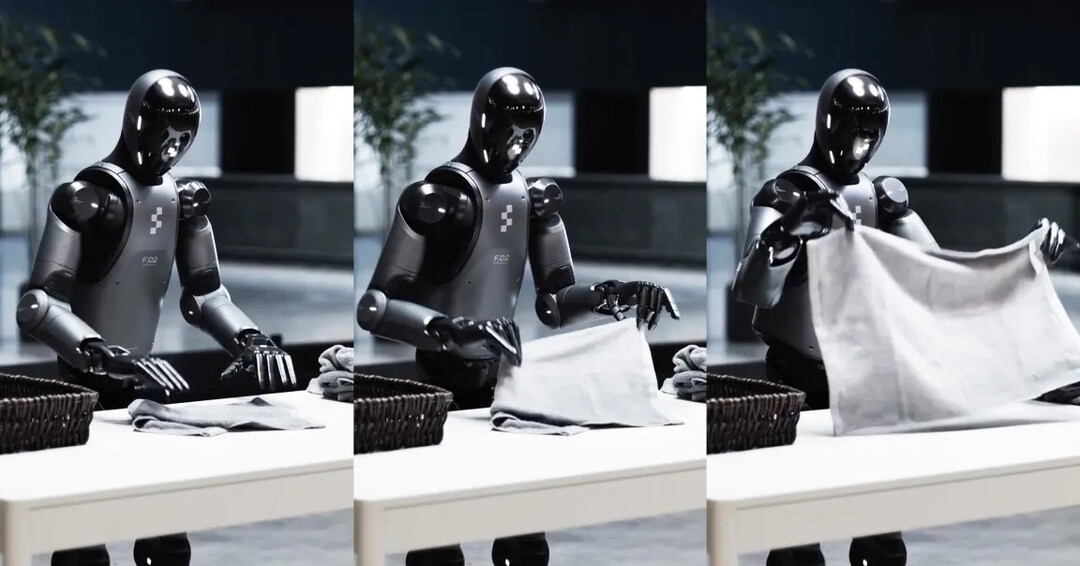
A robot shook out a short-sleeved T-shirt and spread it flat on the floor. It folded both sleeves one by one, folded the body in half, in half again, and in half once more. Then, it unzipped a tote bag, placed the folded T-shirt inside, and zipped it up. On the afternoon of the 8th, at Tokyo Big Sight in Koto Ward, Tokyo. This was the scene of "Ena," a care-assistance robot, sorting laundry at the booth of robot developer Enactic, which participated in the "International Home Care and Rehabilitation Exhibition (H.C.R. 2026)." The task of folding a facility user's laundry and packing it into a bag was demonstrated via remote control by a company representative.
This robot, still in the development and testing stages, is being trained in peripheral tasks involved in care, such as cleaning and laundry sorting. A company representative explained, "We are developing it so that tasks that do not necessarily have to be done directly by care staff can be entrusted to robots."
Toyota and Nissan Set Up Large Booths... Panasonic and TOTO Also Participate
The exhibition, held from the 7th to the 9th, featured products supporting independent living for the elderly and disabled—ranging from mobility and walking assistance devices, beds, transferring and nursing assistance equipment, bathing, excretion, and hygiene supplies, rehabilitation and health maintenance equipment, care robots, sensors, and information and communication technology (ICT)—to elder-friendly housing and living assistance devices, as well as welfare facility operation systems. In particular, technologies that entrust repetitive tasks to robots and grasp user conditions through data were introduced everywhere, drawing crowds. Major automakers such as Toyota Motor, Nissan Motor, Daihatsu Motor, and Suzuki drew attention by setting up large exhibition booths. Electronics and housing equipment companies like Panasonic and TOTO also participated, showcasing technologies supporting the daily lives of the elderly and disabled, ranging from welfare vehicles and mobility assistance devices to housing and hygiene facilities. A total of 382 companies participated, including 44 overseas firms, and cumulative visitors over the three days reached 110,958 according to the organizers.
Checking Meals, Sleep, and Excretion Status via Data
At the booth of Primes, a medical and welfare technology startup established by researchers from the University of Tsukuba, a small sensor worn on the neck was placed. A meal video and sound waveform were displayed on the adjacent tablet. This is a device that collects sound through vibrations in the neck area, with AI distinguishing swallowing sounds. Experts review the video and sound to refer to when adjusting meal methods or food textures. Materials recorded at facilities or homes can also be shared remotely. A decline in swallowing function is also linked to the risk of pneumonia in the elderly. If food or saliva enters the trachea along with bacteria, aspiration pneumonia can occur. Because coughing or choking is sometimes not distinct, it is difficult to notice abnormalities just by looking at a meal. Recording swallowing sounds and video together can help experts monitor conditions during meals. In addition to meals, sleep and excretion are tasks that staff must check on frequently. At the booth of Paramount Bed, a specialized medical and nursing bed company, a diaper model, a defecation detection device, and a tablet showing restroom usage records were exhibited together around the bed. This is a system linking sleep information collected by sensors under the mattress with diaper defecation detection data and restroom usage records. Staff can check and gather information for each user, which serves as a reference for changing diapers or guiding them to the restroom. Urination prediction devices from other companies are also linked. It is a configuration in which sleep and excretion management functions are added to nursing beds that support the body and change postures.
Expanding Device Integration... Seeking Responses to Labor Shortages
Techniques for checking information from multiple devices together were also covered in a special planning exhibition. The Tohoku University laboratory and BrightBee, participating in the "Technology x Care Exhibition," showcased a system that checks and operates sensors, call devices, interphones, and robots from different companies within a single app. This reduced the hassle of changing apps for each company by connecting previously introduced devices. The scope of support from the Japanese government has also expanded to areas such as meals and rehabilitation. In 2024, the Ministry of Health, Labour and Welfare and the Ministry of Economy, Trade and Industry added functional training, meal and nutrition management, and dementia daily living and care support to the priority areas for care technology. Some areas explicitly specify integration with other devices and systems. Behind this is the growing demand for care and the difficulty of securing labor. The Ministry of Health, Labour and Welfare estimates that approximately 2.72 million care workers will be needed by 2040. This is 570,000 more than the scale in 2022. This exhibition presented two approaches to responding to the labor shortage: developing automated peripheral tasks such as cleaning and laundry, and efforts to reduce staff checking and recording tasks by connecting meal, sleep, and excretion information. Moving beyond introducing individual equipment, connecting them to actual care processes has emerged as a major task for Japanese care technology.
[Copyright (c) Global Economic Times. All Rights Reserved.]