![[등록] 2026-09-01 15:48:31](/support/_updata/banner2/tl181982910_6749.png)


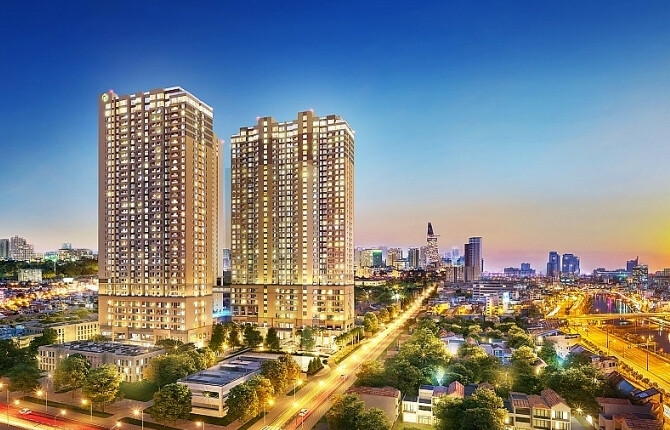
Ho Chi Minh City, Vietnam – In response to a government directive addressing concerns over inflated real estate prices, Ho Chi Minh City (HCM City) is intensifying its scrutiny of real estate activities. City officials are focusing on areas experiencing unusual price surges, aiming to curb market manipulation and speculation.
Phan Văn Mãi, Chairman of the HCM City People’s Committee, has mandated stricter oversight of real estate investors, trading platforms, and brokers. He has called for swift action against any violations and proposed tighter regulations on real estate broker licenses and the operation of real estate trading floors. Projects exhibiting abnormal price increases will be subject to reviews for legal compliance and transparency.
The city's Department of Natural Resources and Environment has been tasked with cracking down on the exploitation of land use rights auctions. Furthermore, the HCM City Police will investigate any violations related to land-use auctions and the dissemination of misleading market information. District leaders, including those in Thủ Đức City, are required to ensure transparency regarding eligible real estate projects to prevent market distortion.
This crackdown follows Prime Minister Phạm Minh Chính's recent statement highlighting that real estate prices in some areas have far exceeded residents' financial capacities. He urged timely measures to combat manipulation and price inflation.
A report from the Department of Construction revealed a scarcity of affordable housing options. Only 1,611 high-end commercial housing products were released to the market last year, with average prices reaching VNĐ9.39 billion per unit. This focus on luxury housing has exacerbated the shortage of affordable alternatives.
The HCM City Real Estate Association (HoREA) has reported an oversupply of luxury homes coupled with a severe deficit of affordable housing. The average housing price now exceeds VNĐ60 million per square meter, placing homeownership out of reach for most residents.
A recent report by real estate consultant CBRE ranked HCM City and Hanoi among Asia's least affordable cities for homebuyers. In Hanoi, the average apartment price is $2,600 per square meter, with an average annual income of $6,300, resulting in an income-to-housing price ratio of 2.4. In HCM City, the average apartment price is $2,800 per square meter, with an average income of $7,500, leading to a ratio of 2.7. These figures translate to residents needing to work 50 years in Hanoi and 53 years in HCM City to purchase a house, and 23 and 24 years respectively for an apartment. The International Monetary Fund considers housing affordable if it costs no more than 30 years of income.
While young professionals in developed countries typically take 10 to 15 years to buy a home, in Vietnam, this timeframe extends to 23 to 25 years. Current apartment prices range from VNĐ40–70 million ($1,600–$2,800) per square meter, meaning a 60-square-meter apartment costs between VNĐ2.5–3.5 billion.
A recent Ministry of Construction report indicated a 40-50% price increase in Hanoi and a 20-30% increase in HCM City last year. The report also revealed that most residents can only afford half the cost of their desired properties.
Nguyễn Văn Đính, chairman of the Vietnam Association of Realtors (VARS), stated that even halving housing prices would still leave many middle- and low-income earners unable to buy homes. He attributed the current situation to tightened government regulations since 2018, which have limited housing supply while demand has grown, thus driving prices beyond income growth. The city's increased focus on regulation and enforcement signals an attempt to address these imbalances and make housing more accessible.
[Copyright (c) Global Economic Times. All Rights Reserved.]