• 2026.11.27 (Fri)
  • All articles
  • LOGIN
  • JOIN
Global Economic Times
한인동포뉴스(상단)
  • Synthesis
  • World
  • Business
  • Industry
  • ICT
  • Distribution Economy
  • Well+Being
    • Pet Life
    • Halal Horizon
  • Travel
  • Eco-News
  • Education
  • Korean Wave News
  • Opinion
  • Arts&Culture
  • Sports
  • People & Life
    • International Student Report
    • With Ambassador
  • Column
    • Cho Kijo Column
    • Cherry Garden Story
    • Ko Yong-chul Column
    • Kim Bong-seon's Photo Column
    • Kim Seul-Ong Column
    • Lee Yeon-sil Column
    • Professor Lee Soo-young’s Life Essays
  • Photo News
  • New Book Guide
MENU
 
Home > Distribution Economy

Stock Market Slump Derails Homebuyers’ Plans, Leaving Some with Heavy Deposit Losses

Global Economic Times Reporter / Updated : 2026-11-27 06:07:54
  • -
  • +
  • Print


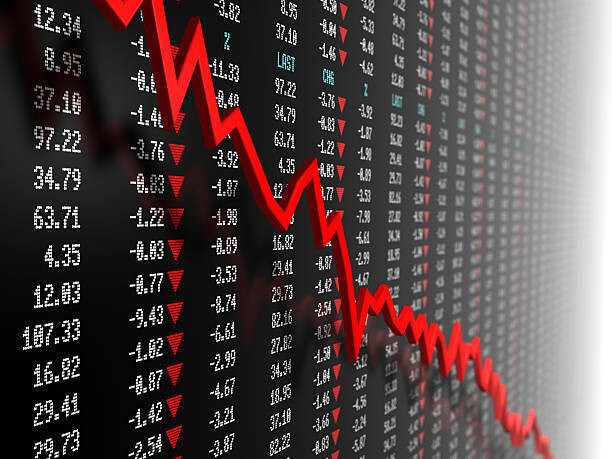
SEOUL, South Korea — A prominent trend among South Korean homebuyers—cashing out equities and digital assets to fund real estate purchases—has lost significant momentum in the second half of this year following a sharp downturn in the stock market. With falling asset values creating sudden liquidity gaps, an increasing number of prospective buyers are being forced to forfeit their deposits and walk away from property deals.

According to housing funding plan data submitted by the Ministry of Land, Infrastructure and Transport to Representative Kim Jong-yang of the People Power Party on the 27th, proceeds from the sale of stocks, bonds, and cryptocurrencies used for nationwide home purchases totaled 10.07 trillion won ($7.2 billion) between January and October. While this cumulative figure is 1.7 times higher than last year's annual total of 5.82 trillion won—driven largely by a bullish market in the first half of the year when buyers turned to financial assets amid stricter lending regulations—monthly figures reveal a steep recent decline.

The use of liquidated financial assets peaked in May at 1.995 trillion won, accounting for 8.19% of all housing purchase funds that month and involving nearly three in ten (28.9%) buyers who submitted funding plans. However, as market sentiment soured in the latter half of the year, those figures plummeted:

June: 1.33 trillion won
July: 1.08 trillion won
August: 644 billion won
September: 655.5 billion won
October: 535.3 billion won

October’s total represents a 73.2% drop from the May peak, shrinking the share of financial asset proceeds in overall housing funds to 4.89%, with the proportion of buyers utilizing such funds falling to 22.5%.

The pullback has been most pronounced in the high-end housing market, where stricter loan limits force buyers to rely heavily on personal capital. For homes priced at 3 billion won or more, the share of purchase funds sourced from financial asset sales dropped from a June high of 23.77% to 16.22% in October. Similarly, properties priced between 1.5 billion and 3 billion won saw that ratio decline from 11.02% in May to 7.28% in October. In contrast, homes under 300 million won remained largely unaffected by market swings, hovering steadily around the 2% mark throughout the ten-month period.

On the ground, the market downturn is causing acute financial distress for end-users. A real estate agent based in Jamsil-dong, southern Seoul, noted that several clients have canceled purchases due to sudden shortfalls caused by dropping share prices. "In one instance, a buyer couldn't secure the remaining funds in time and ended up forfeiting a 300-million-won deposit," the agent said.

Experts warn that prospective buyers face a difficult dilemma. Ko Joon-seok, a professor at Yonsei University’s Sangnam Institute of Management, explained that when falling stock prices prevent buyers from liquidating their holdings, they are forced either to seek alternative financing—including high-interest private loans—or to delay their homeownership plans entirely. "Postponing a purchase by a year or two wouldn't be a major issue if the rental market were stable," Ko noted. "However, with rising jeonse and monthly rent prices alongside uncertainty over where home values will stand in two to three years, anxiety among end-users is only intensifying."

[Copyright (c) Global Economic Times. All Rights Reserved.]

  • #Cherry Garden
  • #HalalFood
  • #Halal
  • #Petlife
  • #Cats
  • #Dogs
  • #Halalhorizone
  • #Hormuz Impasse
  • #Joseon
  • #globaleconomicti
Global Economic Times Reporter
Reporter Page

Popular articles

  • World Citizens are Flying Directly to Busan... The Era of 4 Million Foreigners is Just Around the Corner

  • Restoring Hearing with Genes, Cochlear Implants with Robots: Where Does Hearing Loss Treatment Stand Today?

  • Cold Wave and Autumn Chill Hit Korea on "Ipdong": Gangwon -6°C, Seoul Real-Feel -4°C… Rain and Snow Expected in Central Regions on Sunday

I like it
Share
  • Facebook
  • X
  • Kakaotalk
  • LINE
  • BAND
  • NAVER
  • https://globaleconomictimes.kr/article/1065560793741762 Copy URL copied.
Comments >

Comments 0

Weekly Hot Issue

  • Trump Backed Nvidia CEO’s Return Despite Divided U.S. Intelligence and Lack of NSC Review
  • U.S. Faces "Double Standard" Backlash Over Sweeping Overcapacity Tariffs Targeting 14 Economies
  • New U.S. Tariffs Spark Inflation Fears and Media Backlash Amid Rising Prices
  • Thanksgiving Nor’easter Batters U.S. East Coast, Leaving 550,000 Without Power and Halting Iconic Parade
  • Why Dementia Financial Planning Is Really About Self-Preservation
  • Hyundai Green Food Shares Tumble 8% as 150 Billion Won Healthcare Deal Dampens Dividend Hopes

Most Viewed

1
Exercise Beats Diet in Extending Lifespan, Major Review Finds
2
South Korean Burger Chain Lotteria Expands Singapore Footprint with Halal Certification and New Teriyaki Lineup
3
AI Semiconductor Stocks Plummet: Philadelphia Index Drops 5.28% and Micron Plunges 7.59% Amid Executive Shakeup and Export Restrictions
4
"Stay Out, Get Paid, or Have Police Stay With You": Shenzhen Imposes Strict Security Ahead of APEC Summit
5
Taiwan Bans Short-Selling Below Previous Close Starting Nov. 23, Raises Margin Ratio to 150%
체리가든 스토리
nutri huevos
로타리
동포저널

Hot Issue

New U.S. Tariffs Spark Inflation Fears and Media Backlash Amid Rising Prices

Why Dementia Financial Planning Is Really About Self-Preservation

Concentrated Korean ETFs Plunge Up to 59% as Chip and Defense Rallies Unwind

Fashion Runway Show 2026

Let’s recycle the old blankets in Jeju Island’s closet instead of incinerating them.

Global Economic Times
korocamia@naver.com
CEO : LEE YEON-SIL
Publisher & Editor : KO YONG-CHUL
Registration number : Seoul, A55681
Registration Date : 2024-10-24
Youth Protection Manager: KO YONG-CHUL
Singapore Headquarters
5A Woodlands Road #11-34 The Tennery. S'677728
Korean Branch
Phone : +82(0)10 4724 5264
#304, 6 Nonhyeon-ro 111-gil, Gangnam-gu, Seoul
Copyright © Global Economic Times All Rights Reserved
  • News K
  • 반달곰 프로젝트
  • 광고문의
Search
Category
  • All articles
  • Synthesis
  • World
  • Business
  • Industry
  • ICT
  • Distribution Economy
  • Well+Being 
    • 전체
    • Pet Life
    • Halal Horizon
  • Travel
  • Eco-News
  • Education
  • Korean Wave News
  • Opinion
  • Arts&Culture
  • Sports
  • People & Life 
    • 전체
    • International Student Report
    • With Ambassador
  • Column 
    • 전체
    • Cho Kijo Column
    • Cherry Garden Story
    • Ko Yong-chul Column
    • Kim Bong-seon's Photo Column
    • Kim Seul-Ong Column
    • Lee Yeon-sil Column
    • Professor Lee Soo-young’s Life Essays
  • Photo News
  • New Book Guide
  • Overseas Koreans
  • Multicultural News