![[등록] 2026-09-01 15:48:31](/support/_updata/banner2/tl181982910_6749.png)


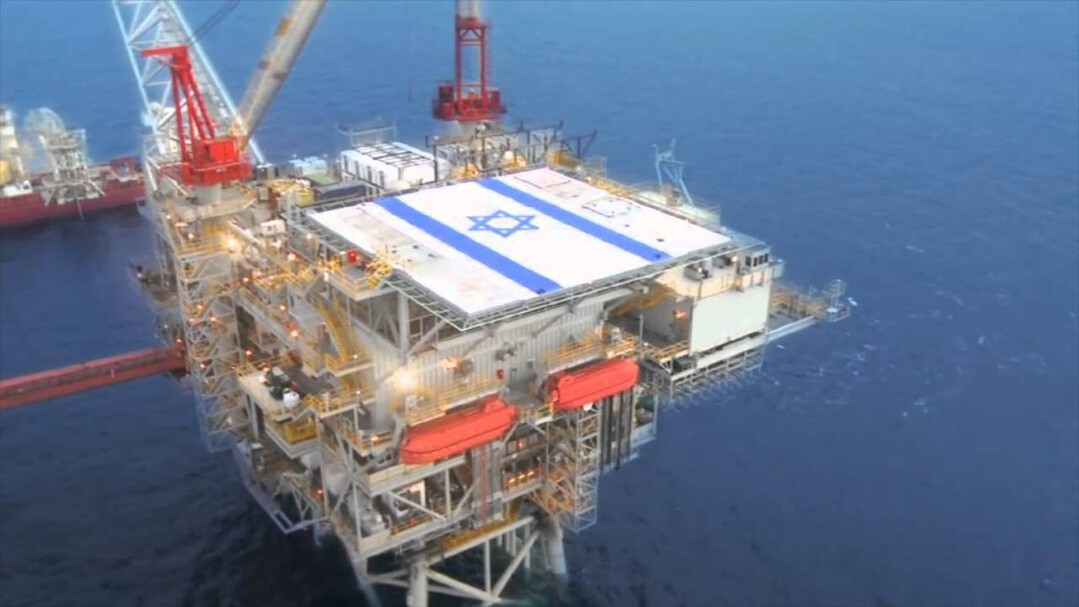
(C) Watan
JERUSALEM – In a move set to redefine the energy landscape of the Eastern Mediterranean, the Israeli government officially approved a massive natural gas export agreement with Egypt on Wednesday. The deal, valued at approximately 112 billion shekels ($38 billion USD / 51.1 trillion KRW), marks the largest energy contract in Israel’s history and signals a deepening of strategic ties between the two nations.
Strengthening Economic and Regional Ties
Prime Minister Benjamin Netanyahu, alongside Energy Minister Eli Cohen, announced the decision via a video statement, emphasizing that the deal had undergone rigorous security and diplomatic reviews. Under the terms of the agreement, the volume of natural gas flowing from Israel to Egypt is expected to triple over the coming years.
The economic windfall for the Israeli state is substantial. Of the total projected revenue, more than 58 billion shekels ($20 billion USD) will flow directly into the national treasury. "This capital will strengthen our education, healthcare, infrastructure, and security, securing a prosperous future for generations to come," Netanyahu stated.
The Leviathan Powerhouse
The gas will be sourced primarily from the Leviathan field, a massive subsea reservoir located in the Mediterranean Sea. Managed by a consortium including Israel’s NewMed Energy and American energy giant Chevron, Leviathan holds an estimated 600 billion cubic meters (bcm) of gas. Experts believe the field is capable of sustained production until at least 2064.
While the contract was initially signed in August, its final approval was delayed as the Israeli cabinet assessed the long-term domestic energy security needs and the volatile geopolitical climate following the events of October 7. The final authorization underscores Israel’s confidence in its ability to maintain production despite ongoing regional tensions.
Egypt as a Global Energy Hub
For Egypt, the deal is equally strategic. Rather than using all the gas for domestic consumption, Cairo intends to leverage its existing Liquefied Natural Gas (LNG) terminals in Idku and Damietta. By processing Israeli gas and re-exporting it to Europe, Egypt aims to solidify its position as a critical energy bridge between the Middle East and the West, particularly as Europe seeks to diversify its energy sources away from Russian gas.
A New Era of Energy Diplomacy
The Eastern Mediterranean has become a focal point of "energy diplomacy." By linking its resources with Jordan and Egypt, Israel is transforming from an energy-dependent nation into a regional powerhouse.
However, challenges remain. The project requires significant investment in pipeline infrastructure to handle the tripled capacity. Furthermore, the deal serves as a pragmatic anchor in a complex relationship; while political rhetoric between Jerusalem and Cairo can be tense, the multibillion-dollar energy bond creates a "mutually assured prosperity" that both sides seem keen to protect.
[Copyright (c) Global Economic Times. All Rights Reserved.]