![[등록] 2026-09-01 15:48:31](/support/_updata/banner2/tl181982910_6749.png)


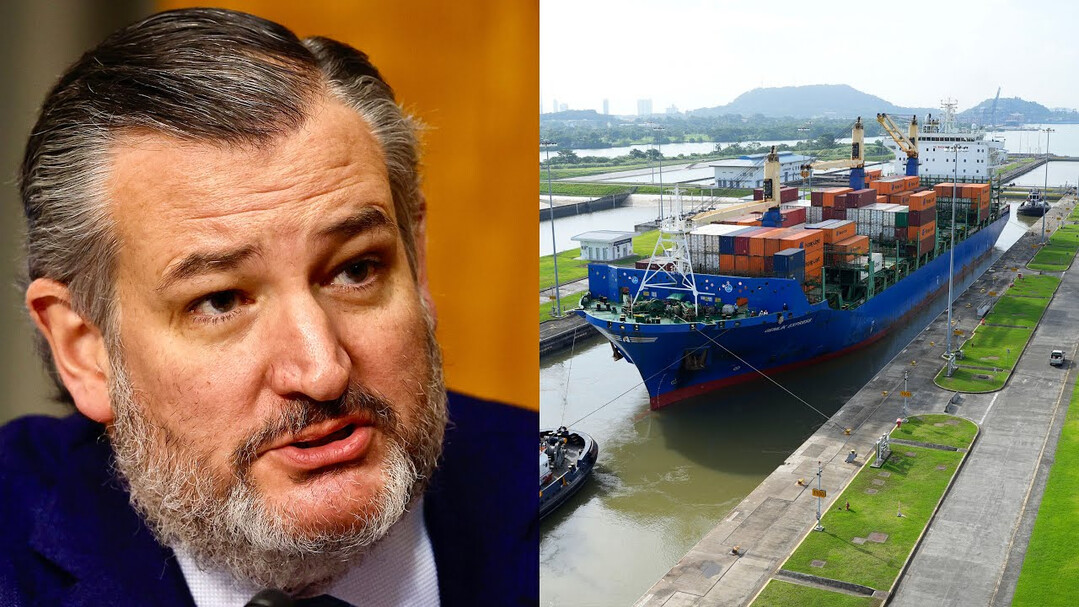
Washington D.C. – A Senate Commerce Committee hearing on foreign influence over the Panama Canal revealed more about shortcomings in U.S. policy than any imminent threat to the vital waterway. The hearing, chaired by Senator Ted Cruz (R-Texas), was marked by procedural missteps and a focus on perceived Chinese control that often clashed with witness testimony.
The committee’s last-minute invitation to Panama Canal Deputy Administrator Ilya Marotta, just days before the hearing, drew criticism and underscored the lack of genuine engagement with Panamanian expertise. Senator Cruz set the stage with concerns about Panama “exploiting” the canal, an asset of strategic importance, but the subsequent discussion painted a more nuanced picture.
Federal Maritime Commission Chairman Louis E. Sola directly challenged the premise of Chinese control, stating that the Panama Canal Authority, which he recently visited, demonstrated a “commitment to maintaining the canal’s efficiency and resilience.” This contradicted the hearing’s focus on foreign influence, highlighting a disconnect between political rhetoric and on-the-ground reality.
Legal expert Eugene Kontorovich of George Mason University struggled to substantiate claims of treaty violations by Chinese-operated ports at Balboa and Cristóbal, admitting the difficulty of drawing firm conclusions. He acknowledged the impracticality of reclaiming sovereignty without military force.
Commissioner Daniel Maffei offered a broader perspective, noting the global presence of Chinese port operators, including at crucial chokepoints like the Suez Canal and the Strait of Singapore. This raised questions about whether the Panama focus was driven by genuine strategic concerns or simply anxieties about declining U.S. influence.
Perhaps the most revealing moments came when senators acknowledged internal challenges. They lamented the consistent loss of infrastructure bids to Chinese companies and the four-year vacancy in the U.S. ambassadorship to Panama (2018-2022), highlighting how U.S. policy gaps contributed to the very vulnerabilities under discussion.
Initial concerns about Panama’s ship registry program with Iran were allayed when it was revealed that Panama had already de-flagged 53 Iranian vessels suspected of sanctions evasion, demonstrating cooperation with U.S. security interests.
The hearing also highlighted the more pressing threat of climate change. Commissioner Sola warned of potential annual water losses of 1 to 2 percent, which could drastically reduce canal capacity by 2050. However, when questioned about the Canal Authority’s drought preparedness, witnesses offered limited reassurance.
The hearing structure itself revealed a critical blind spot. While focusing on Chinese influence in port operations, senators largely ignored the reasons behind declining U.S. competitiveness in infrastructure development. The perfunctory approach to Panamanian involvement, exemplified by the late invitation to Deputy Administrator Marotta, further underscored this deficiency.
The committee also seemed to overlook the remarkable success of Panama’s canal management since the 1999 transfer. The waterway has generated billions in revenue while maintaining world-class operational standards, a fact that received surprisingly little acknowledgment. Concerns about excessive fees for U.S. vessels were also largely unsubstantiated.
As the hearing concluded, it became evident that the real threat to U.S. interests might not be foreign influence, but rather the lack of a coherent U.S. strategy for regional partnership. The focus on control obscured the more fundamental question of how the U.S. can become a more attractive partner for infrastructure development and regional cooperation.
The Panama Canal’s future security may depend less on scrutinizing foreign presences and more on revitalizing the robust American partnership that underpinned its initial success. This requires moving beyond oversight hearings to develop concrete policies that enhance U.S. competitiveness in global infrastructure projects and demonstrate a long-term commitment to regional development.
[Copyright (c) Global Economic Times. All Rights Reserved.]