November 19, 2026 -- Industrial thermal battery startup Pioast has moved into the Startup & Venture Green Convergence Cluster (hereinafter the Green Convergence Cluster), operated by the Korea Environmental Industry & Technology Institute (KEITI) under the Ministry of Climate, Energy and Environment, to establish a thermal battery demonstration testbed.
Located in Seo-gu, Incheon, the Green Convergence Cluster is an institution dedicated to fostering a green industry ecosystem that supports eco-friendly startups and venture companies in growing into unicorns.
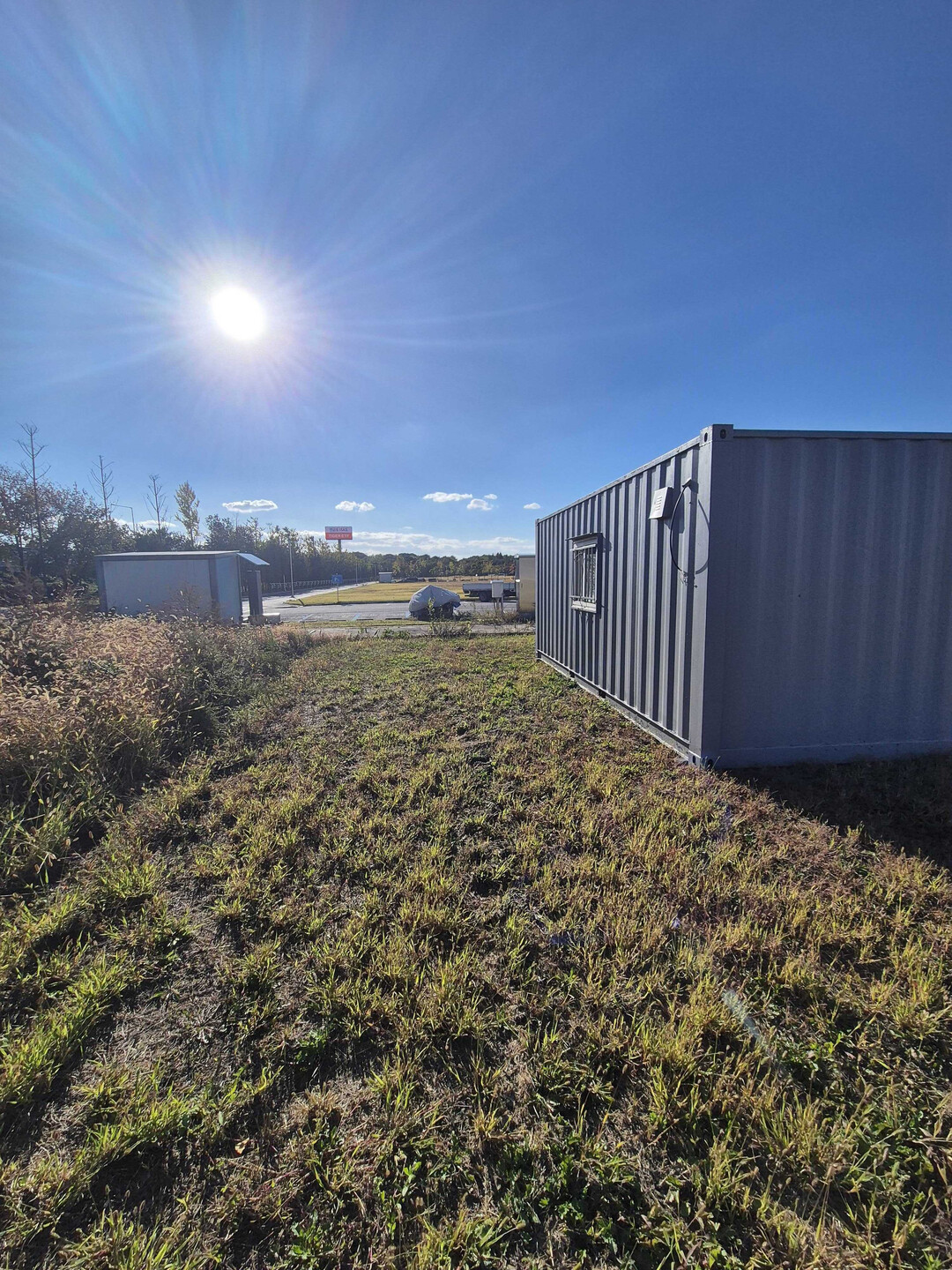
After passing the review of the Green Convergence Cluster Tenant Evaluation Committee in August, Pioast moved into Testbed Room 305 (TB-305) in October. Using the Green Convergence Cluster as a hub until its residency concludes in September 2030, the company plans to secure industrial thermal battery demonstration data, conduct comparative demonstrations of thermal storage materials, and host showcases for domestic and international Proof of Concept (PoC) customers.
Thermal battery technology converts electricity from renewable sources such as solar power into heat, stores it in an insulated unit, and discharges it when needed. Unlike electric batteries, thermal batteries use low-cost storage media such as sand, rock, molten salt, and concrete. This gives them high cost competitiveness at larger scales and allows them to supply heat directly to industrial sites where heat is the final energy demand without requiring reconversion.
Although thermal batteries are recognized for their ability to respond to the surplus and variability of renewable power while contributing to the decarbonization of industrial process heat, only a few companies in South Korea are actively pursuing their commercialization. Pioast is leading the sector, holding 18 patents, including one for a "Sand Battery and Energy Extraction Method and Energy Production System Using the Same."
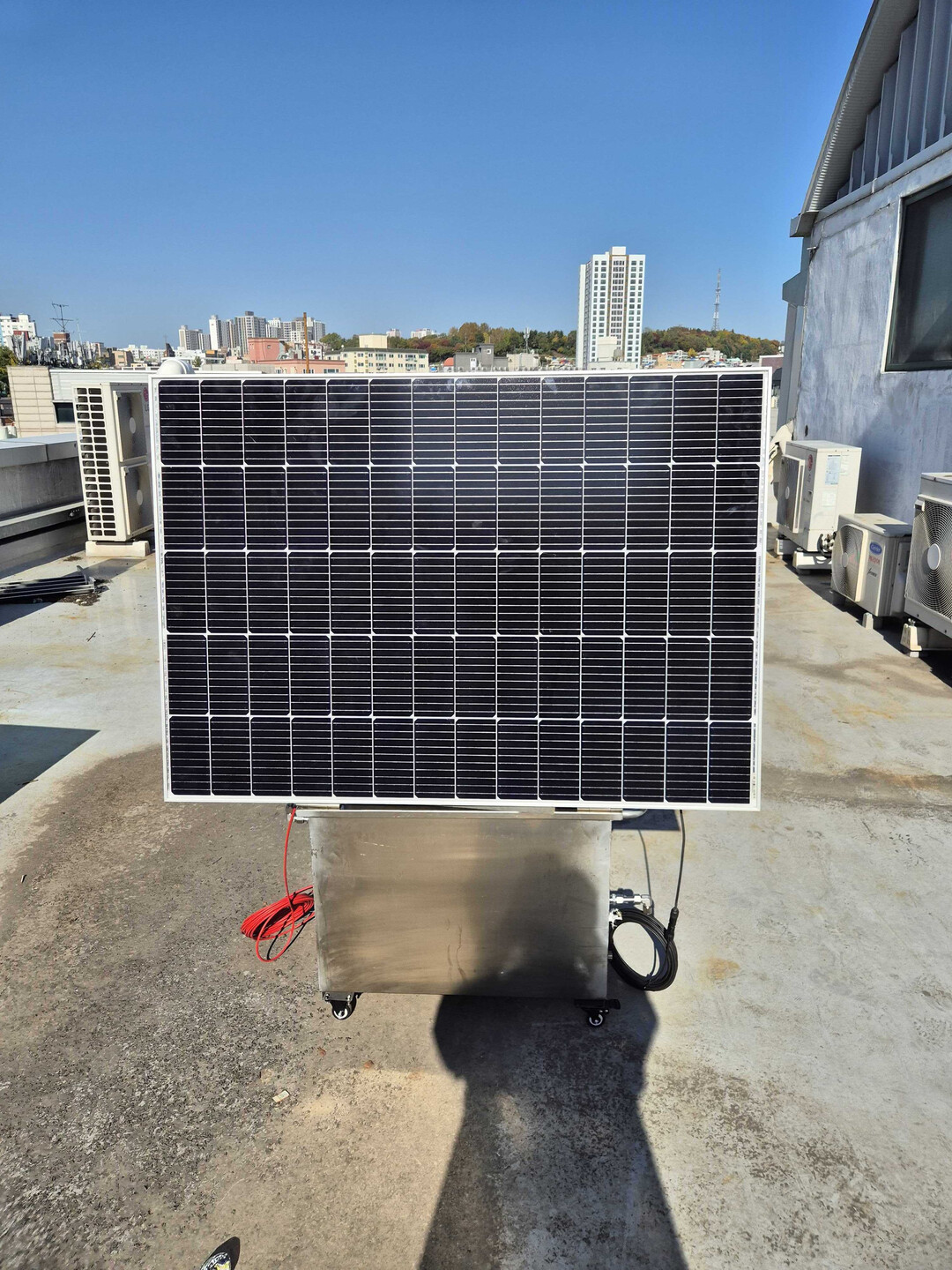
The thermal battery demonstration testbed to be built by Pioast will consist of 24 solar modules (approximately 10 kW), an electric heater, thermal storage modules, and a control room. The thermal storage modules comprise three types: a sand and rock thermal storage module, a molten salt module, and a concrete module.
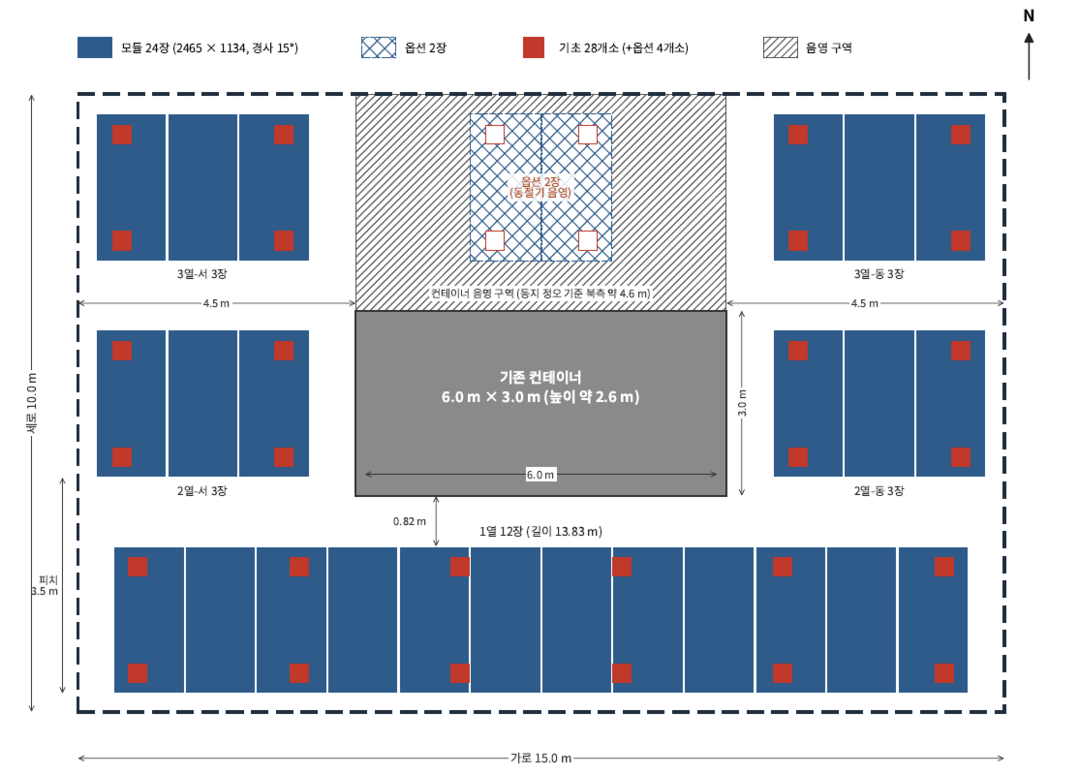
Through the testbed, Pioast plans to compare the thermal storage efficiency, heat dissipation characteristics, and temperature retention times of each material under renewable power input conditions, while verifying their performance in supplying industrial process heat, hot water, and steam. Following the completion of equipment installation in December 2026, demonstration operations at the testbed will begin in the first half of 2027.
Building on these demonstrations, Pioast expects to expand its industrial process heat supply chain. In particular, the company is focusing on clean heating technologies for developing countries and is already expanding its market presence, including ongoing discussions with local partners in Mongolia to demonstrate compact sand thermal batteries for heating traditional gers.
"Success in the thermal battery market comes down to materials and operational data," said Jun-beom Song, CEO of Pioast. "By comparing three different storage materials under identical conditions at the Green Convergence Cluster testbed, we will secure empirical data that can be pitched directly to industrial sites. We aim to solve two challenges—decarbonizing domestic industrial process heat and providing clean heating in developing countries—with a single technology."
[Copyright (c) Global Economic Times. All Rights Reserved.]