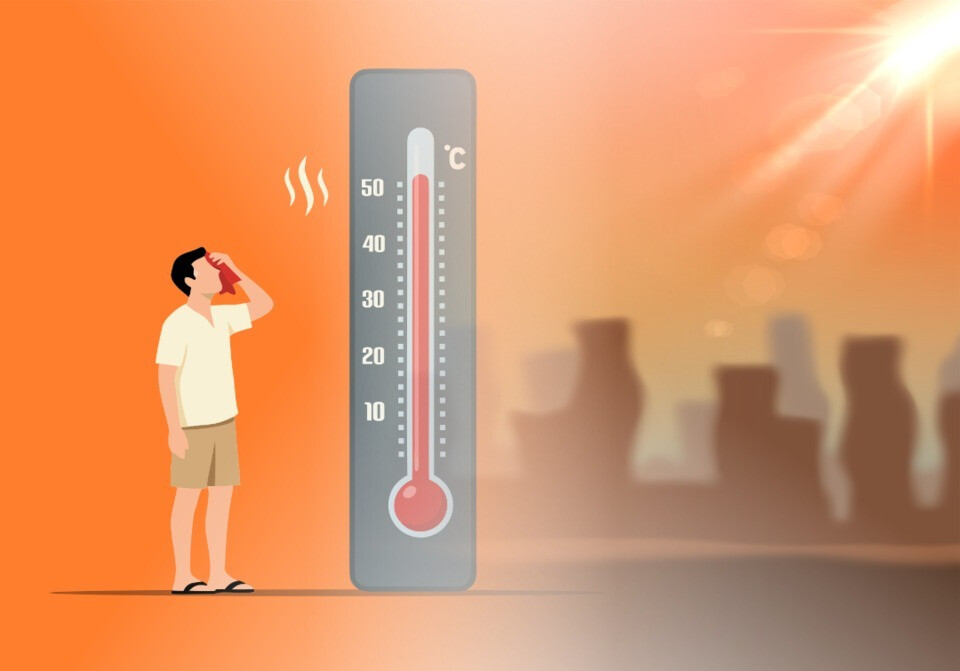
South Korea is on track to experience nearly two months of relentless heatwaves and tropical nights every year—a grim outlook that represents the "best-case" scenario if nations merely fulfill their current climate pledges, according to climate data and recent international negotiations.
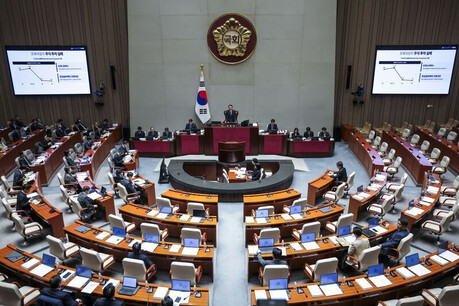
The warning comes in the wake of the 31st United Nations Climate Change Conference (COP31) in Antalya, Turkey, which concluded on November 22 without a binding agreement. Despite extending the summit by two days past its scheduled November 20 close, global delegates failed to bridge divides over phasing out fossil fuels and securing climate finance for developing nations.
While negotiators reached minor consensus on disaster preparedness and just-transition support for fossil fuel workers, they failed to establish concrete plans to further slash greenhouse gas emissions or extend key mitigation forums.
The Illusion of "2.6 Degrees"
A leaked draft of the unapproved COP31 agreement sparked controversy by claiming the Paris Agreement is "working." The draft cited projections showing that global warming—once feared to exceed 4°C—could be capped at 2.6°C if all countries fully execute their current Nationally Determined Contributions (NDCs).
However, climate experts emphasize that 2.6°C is a far cry from the 2015 Paris Agreement's goal of limiting warming to 1.5°C. Furthermore, this 2.6°C projection has worsened from last year’s estimate of 2.3°C to 2.5°C, reflecting setbacks such as the United States' withdrawal from the accord.
Extreme Heat Projections for South Korea
A 2.6°C rise aligns closely with the Intergovernmental Panel on Climate Change (IPCC) intermediate scenario (SSP2-4.5), which projects a 2.7°C global temperature increase by the late 21st century.
According to the Korea Meteorological Administration (KMA), under this scenario, South Korea’s climate will undergo drastic shifts:
Seoul: Annual heatwave days (maximum temperatures of 33°C or higher) will nearly quadruple from the 2000–2019 average of 15.0 days to 59.2 days. Peak summer temperatures are projected to jump from 35.9°C to 40.3°C.
Tropical Nights: Nights where temperatures remain above 25°C will surge more than fivefold in Seoul, rising from 11.3 days to 60.4 days. Busan and Daegu will face similar spikes, reaching 60.8 days and 58.9 days, respectively.
Daegu: Known for its intense summer heat, Daegu’s annual heatwave days are expected to more than double from 32.4 days to 75.5 days.
Rising Human Toll and Global Inaction
Extreme heat is already proving fatal. Data from the Korea Disease Control and Prevention Agency (KDCA) shows that between May 15 and September 30 this year, 4,066 heat-related illnesses and 36 suspected heat deaths were reported in South Korea. Globally, a joint study led by Imperial College London estimated over 50,000 heat-related deaths across European cities this past summer, with two-thirds directly attributable to climate change.
Despite the escalating death toll, the United Nations Environment Programme (UNEP) warns that current global pledges will only cut emissions by 11% to 15% by 2035 compared to 2025 levels—falling drastically short of the 45% reduction required to eventually bring temperatures back below 1.5°C. If current policies remain unchanged, warming could reach 2.8°C.
"The emissions gap is now a leadership gap," UN Secretary-General António Guterres stated in a recent video address.
Environmental advocates echoed this frustration following the COP31 collapse. Pooja Dave, Climate Adaptation Lead at Climate Action Network (CAN), noted that families facing deadly heatwaves and floods cannot hide behind technical reports, warning that "every year of delayed action costs lives." Jeong Se-hee, head of the diplomacy team at Solutions for Our Climate (SFOC), called the failure to adopt a new agreement "deeply disappointing" in a year when the UN has already warned that breaching the 1.5°C threshold is virtually unavoidable.
[Copyright (c) Global Economic Times. All Rights Reserved.]