• 2025.12.11 (Thu)
  • All articles
  • LOGIN
  • JOIN
Global Economic Times
APEC2025KOREA가이드북
  • Synthesis
  • World
  • Business
  • Industry
  • ICT
  • Distribution Economy
  • Well+Being
  • Travel
  • Eco-News
  • Education
  • Korean Wave News
  • Opinion
  • Arts&Culture
  • Sports
  • People & Life
  • Column
    • Cho Kijo Column
    • Lee Yeon-sil Column
    • Ko Yong-chul Column
    • Cherry Garden Story
  • Photo News
  • New Book Guide
MENU
 
Home > Distribution Economy

South Korea Seeks to Expand Regional Gift Certificate Use to Rural Areas

Global Economic Times Reporter / Updated : 2024-11-05 04:40:41
  • -
  • +
  • Print


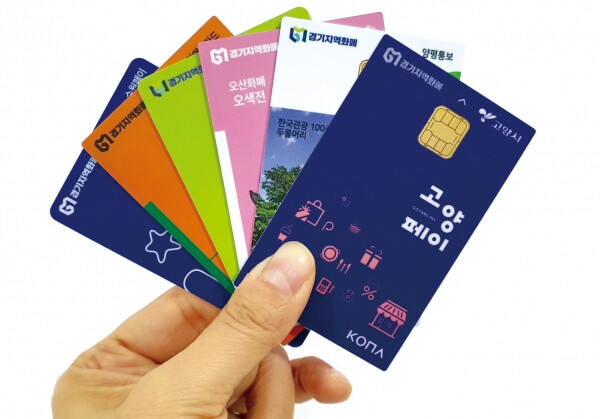
A new bill has been introduced in the South Korean National Assembly that would allow regional love gift certificates to be used at agricultural cooperatives’ HanaRo Mart stores. This move aims to address the growing concern of "food deserts" in rural areas where access to grocery stores is limited.

Rep. Shin Jeong-hoon of the Democratic Party submitted the amendment to the Regional Love Gift Certificate Act on July 28. The amendment would allow agricultural producers’ organizations to register their HanaRo Mart stores, typically located in rural towns and villages, as participating merchants for regional gift certificates.

Currently, the law prohibits businesses with annual sales exceeding 30 billion won from accepting regional gift certificates. This restriction was implemented to prevent large retailers and hospitals from dominating the use of these certificates and to protect smaller, local businesses.

However, many agricultural cooperatives operate HanaRo Mart stores, as well as supply stores and gas stations, under the same legal entity. As a result, their annual sales often exceed the 30 billion won threshold, excluding them from participating in the regional gift certificate program.

HanaRo Mart stores serve as essential community hubs in rural areas, providing residents with access to food and other necessities. The inability to use regional gift certificates at these stores has been a significant inconvenience for rural communities.

The agricultural sector has expressed concern that the current regulations unfairly penalize agricultural cooperatives, which are often cooperative organizations where farmers invest and share profits. They argue that excluding these cooperatives from the regional gift certificate program undermines the cooperative nature of these businesses and hinders efforts to revitalize rural economies.

Advocates of the amendment believe that allowing regional gift certificates to be used at HanaRo Mart stores would help to keep money circulating within local economies and reduce the outflow of funds to urban areas.

[Copyright (c) Global Economic Times. All Rights Reserved.]

Global Economic Times Reporter
Reporter Page

Popular articles

  • Kioxia Plunges to Daily Limit on Disappointing Earnings, Rattling Global Chip Stocks

  • Primera Edición de los 'MYKOREA Awards in Bangkok' Concluye con Éxito... Confirmando el Potencial de la Plataforma de Intercambio Global para Expandirse a Países de Todo el Mundo

  • Farewell to a Legend: South Korea Mourns the Passing of Esteemed Actor Lee Soon-jae

I like it
Share
  • Facebook
  • X
  • Kakaotalk
  • LINE
  • BAND
  • NAVER
  • https://globaleconomictimes.kr/article/1065555588212495 Copy URL copied.
Comments >

Comments 0

Weekly Hot Issue

  • Won-Dollar Exchange Rate Rises to 7-Month High: South Korean Authorities Scramble to Stabilize Currency as Overseas Investment Surges
  • South Korea Confirmed as Co-Host of 2028 UN Ocean Conference (UNOC)
  • Netflix Stock Plummets 10% on Credit Downgrade Fears Following Blockbuster Warner Bros. Acquisition
  • Tech Tensions Flare: DeepSeek Allegedly Smuggles Banned NVIDIA Blackwell Chips for New AI Model
  • From Court to Content: French Tennis Star Océane Dodin Trades Racquet for OnlyFans, Eyes $5M in a Year
  • Alibaba's AI Ascent: Stock Soars 70% as Tech Giant Pivots Beyond E-commerce

Most Viewed

1
Korean War Ally, Reborn as an 'Economic Alliance' Across 70 Years: Chuncheon's 'Path of Reciprocity,' a Strategic
2
A Garden Where the City's Rhythm Stops: Dongdaemun's 'Cherry Garden', Cooking Consideration and Diversity
3
The Sudden Halt of Ayumi Hamasaki's Shanghai Concert: Unpacking the Rising Sino-Japanese Tensions
4
The Paradox of the 'Juvenile Offender' (Chokbeop Sonyeon): Impunity or Unfinished Rehabilitation?
5
Alliance in a Dilemma: The Fallout of Trump's Advice to Takaichi Not to 'Provoke Taiwan' 
광고문의
임시1
임시3
임시2

Hot Issue

Tech Tensions Flare: DeepSeek Allegedly Smuggles Banned NVIDIA Blackwell Chips for New AI Model

Samsung SDI Secures Multi-Trillion Won LFP Battery Deal, Marking Full-Scale Entry into US ESS Market

Netflix Stock Plummets 10% on Credit Downgrade Fears Following Blockbuster Warner Bros. Acquisition

LG Innotek Develops Eco-Friendly Next-Gen Smart IC Substrate, Reducing Carbon Emissions by Half

Let’s recycle the old blankets in Jeju Island’s closet instead of incinerating them.

Global Economic Times
korocamia@naver.com
CEO : LEE YEON-SIL
Publisher : KO YONG-CHUL
Registration number : Seoul, A55681
Registration Date : 2024-10-24
Youth Protection Manager: KO YONG-CHUL
Singapore Headquarters
5A Woodlands Road #11-34 The Tennery. S'677728
Korean Branch
Phone : +82(0)10 4724 5264
#304, 6 Nonhyeon-ro 111-gil, Gangnam-gu, Seoul
Copyright © Global Economic Times All Rights Reserved
  • 에이펙2025
  • APEC2025가이드북TV
  • 독도는우리땅
Search
Category
  • All articles
  • Synthesis
  • World
  • Business
  • Industry
  • ICT
  • Distribution Economy
  • Well+Being
  • Travel
  • Eco-News
  • Education
  • Korean Wave News
  • Opinion
  • Arts&Culture
  • Sports
  • People & Life
  • Column 
    • 전체
    • Cho Kijo Column
    • Lee Yeon-sil Column
    • Ko Yong-chul Column
    • Cherry Garden Story
  • Photo News
  • New Book Guide
  • Multicultural News
  • Jobs & Workers