• 2026.11.11 (Wed)
  • All articles
  • LOGIN
  • JOIN
Global Economic Times
[등록] 2026-09-01 15:48:31
  • Synthesis
  • World
  • Business
  • Industry
  • ICT
  • Distribution Economy
  • Well+Being
    • Pet Life
    • Halal Horizon
  • Travel
  • Eco-News
  • Education
  • Korean Wave News
  • Opinion
  • Arts&Culture
  • Sports
  • People & Life
    • International Student Report
    • With Ambassador
  • Column
    • Cho Kijo Column
    • Cherry Garden Story
    • Ko Yong-chul Column
    • Kim Bong-seon's Photo Column
    • Kim Seul-Ong Column
    • Lee Yeon-sil Column
  • Photo News
  • New Book Guide
MENU
 
Home > Well+Being

Protecting Dignity Over Mere Preservation: A New Paradigm for Dementia Asset Management

KO YONG-CHUL Reporter / Updated : 2026-11-11 04:41:41
  • -
  • +
  • Print


Effective medical treatment and daily care for dementia patients heavily rely on financial stability. Ensuring timely medication purchases, accessible transportation to hospitals, proper nutrition, stable housing, and adequate care services all require financial resources.

However, a balance in a bank account means little if a patient cannot pay for medical care or manage daily living expenses. Recognizing this critical gap, South Korea’s National Pension Service launched the "Dementia Safe Asset Management Service" pilot program in April 2026. Designed for older adults struggling with asset management or facing economic exploitation due to dementia or mild cognitive impairment (MCI), the program establishes customized financial support plans and manages expenditures through trust agreements. It bridges medical and nursing expenses while connecting patients with local care services.

Navigating Mild Cognitive Impairment with Precision

From a clinical standpoint, evaluating patients with mild cognitive impairment requires immense caution. While MCI carries a higher risk of progressing to dementia, it does not guarantee it.

Medical professionals and policymakers emphasize that a diagnostic label should not automatically strip an individual of their financial autonomy or preemptively restrict their property rights. A person who occasionally forgets to pay utility bills may still fully understand how and to whom they wish to entrust their property. Conversely, someone who appears conversational may struggle to evaluate complex financial transactions.

Assessments must focus on current needs rather than future deterioration. Evaluation standards should examine whether a patient can manage routine bills, avoid repetitive remittance errors, comprehend contract implications, and express their own choices when given clear explanations and adequate time.

Balancing Support with Safeguards

Establishing objective, standardized guidelines for evaluating physicians is paramount. Relying solely on cognitive test scores is inadequate. Standardized documentation must record the specific decision-making domain, functional capabilities, patient understanding, provided assistance, and potential confounding factors such as delirium, depression, or hearing loss.

Drawing inspiration from international models—such as Japan’s daily life self-reliance support programs and guardianship support trusts—effective systems must balance support with checks against the abuse of management authority.

Upholding Dignity and Human Rights

Preventing financial exploitation must not translate into suppressing necessary expenditures. Caregiving, dental treatments, enjoying favorite meals, and maintaining social connections all require funding. The success of any asset management program should be measured by how much a patient’s health and daily life improve, rather than the total amount of money remaining in trust.

Furthermore, safeguards must be in place to ensure that these systems do not infringe upon the patient's fundamental rights. Consent must be given freely without institutional pressure, and ongoing monitoring is essential to honor the patient's past wishes and current preferences. Financial assets should never be viewed as resources for external economic investments or social capital; their safety and accessibility for the patient's personal well-being must always take precedence.

Ultimately, a fading memory does not strip an individual of their status as the rightful owner of their assets. Those funds represent a lifetime of labor, thrift, and lived experience. The true measure of success for any dementia asset management system is whether it ensures that a patient's money is used to secure their treatment, care, and daily dignity.

[Copyright (c) Global Economic Times. All Rights Reserved.]
  • #Cherry Garden
  • #HalalFood
  • #Halal
  • #Petlife
  • #Halalhorizone
  • #Hormuz Impasse
  • #globaleconomictimes
  • #micorea
  • #mykor
KO YONG-CHUL Reporter
Reporter Page

Popular articles

  • US Pushes to Deploy Special Task Force to the Korean Peninsula—Is It Also Targeting China?

  • HMM Relocates Headquarters to Busan: A New Era for South Korea's Flagship Carrier

  • Samsung Electronics Unveils 'AI Memory' Technologies and Yongin Cluster Roadmap at SEDEX 2026

I like it
Share
  • Facebook
  • X
  • Kakaotalk
  • LINE
  • BAND
  • NAVER
  • https://globaleconomictimes.kr/article/1065555550239267 Copy URL copied.
Comments >

Comments 0

Weekly Hot Issue

  • Knee Pain Is Not Just a Sign of Aging: Why You Shouldn't Ignore Joint Discomfort
  • Rising Tide of Myopia Among Youth Puts Focus on Early Eye Care
  • Daytime Fatigue and Brain Fog Could Point to Obstructive Sleep Apnea, Experts Warn
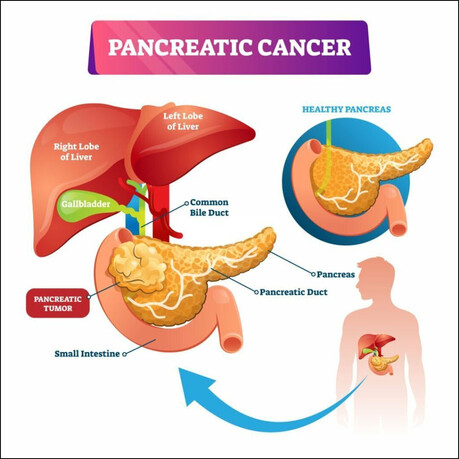
  • Understanding Pancreatic Cancer: Why Early Detection Matters and Key Warning Signs to Watch For
  • Can Eye Drops Really Replace Reading Glasses? The Reality of Presbyopia Drops
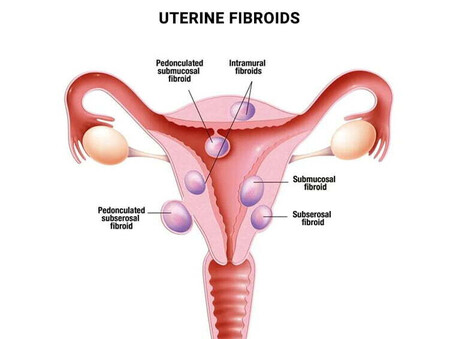
  • Rising Cases of Uterine Fibroids Prompt Call for Fertility-Preserving Treatments

Most Viewed

1
US Army Conducts Rare Temporary Burial Drills to Prepare for Worst-Case Large-Scale War Scenarios
2
World Citizens are Flying Directly to Busan... The Era of 4 Million Foreigners is Just Around the Corner
3
Eating 100g of Baechu Kimchi Daily Linked to Lower High-Cholesterol Risks
4
Meeting Christmas Early!… Busan Dessert Sales Event "Daldal The Market" Held
5
From Kim Whanki to Pokémon Cards... Seoul Auction Opens the Floodgates
체리가든 스토리
nutri huevos
로타리
동포저널

Hot Issue

Jensen Huang Faces Shareholder Class Action and Leadership Scrutiny Amid Espionage Allegations Involving Former Associate

Disgraced South Korean Scientist Hwang Woo-suk Becomes UAE Citizen

Is South Korea Heading Toward France's Path? Aging Population and Fiscal Pressures Looming Ahead

Fashion Runway Show 2026

Let’s recycle the old blankets in Jeju Island’s closet instead of incinerating them.

Global Economic Times
korocamia@naver.com
CEO : LEE YEON-SIL
Publisher : KO YONG-CHUL
Registration number : Seoul, A55681
Registration Date : 2024-10-24
Youth Protection Manager: KO YONG-CHUL
Singapore Headquarters
5A Woodlands Road #11-34 The Tennery. S'677728
Korean Branch
Phone : +82(0)10 4724 5264
#304, 6 Nonhyeon-ro 111-gil, Gangnam-gu, Seoul
Copyright © Global Economic Times All Rights Reserved
  • News K
  • 반달곰 프로젝트
  • 광고문의
Search
Category
  • All articles
  • Synthesis
  • World
  • Business
  • Industry
  • ICT
  • Distribution Economy
  • Well+Being 
    • 전체
    • Pet Life
    • Halal Horizon
  • Travel
  • Eco-News
  • Education
  • Korean Wave News
  • Opinion
  • Arts&Culture
  • Sports
  • People & Life 
    • 전체
    • International Student Report
    • With Ambassador
  • Column 
    • 전체
    • Cho Kijo Column
    • Cherry Garden Story
    • Ko Yong-chul Column
    • Kim Bong-seon's Photo Column
    • Kim Seul-Ong Column
    • Lee Yeon-sil Column
  • Photo News
  • New Book Guide
  • Overseas Koreans
  • Multicultural News