The modern athletic landscape is witnessing the emergence of a specialized healthcare professional: the sports pharmacist. Positioned at the intersection of clinical care and sports integrity, sports pharmacists ensure that athletes navigate medication use safely without falling victim to accidental rule violations. Driven by expanding global credentialing systems and domestic institutional frameworks, the profession is rapidly evolving from a niche subspecialty into an essential pillar of athlete welfare.
The Hidden Threat: Unintentional Doping
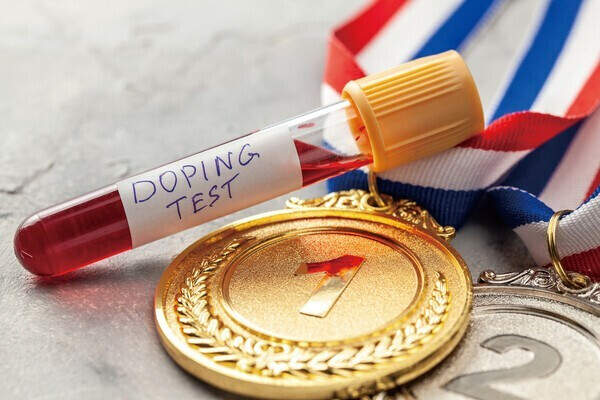
The stakes in competitive sports are exceptionally high, where a single misstep can derail a career. Doping—the use of prohibited substances or methods to enhance performance—is strictly regulated. However, a startling proportion of violations stem not from malicious intent, but from oversight.
Data from the Korea Anti-Doping Agency (KADA) illustrates this vulnerability. Between 2021 and 2025, out of 100 recorded anti-doping rule violations, 47 were entirely unintentional. More specifically, 25 of the 36 violations recorded between 2024 and 2025 occurred simply because athletes failed to screen prescription or over-the-counter medications and dietary supplements for banned ingredients.
While anti-doping agencies have ramped up educational outreach—with KADA’s annual seminar and training participants surging past 610,000 by 2025—educational seminars alone have limitations. Protecting athletes requires deep integration within the frontline healthcare setting where medications are actually prescribed and dispensed.
"Athletes often face moments where they unknowingly ingest banned substances, risking their entire careers, or conversely, avoid treating legitimate pain out of fear of testing positive," notes Kim Nara, Chairperson of the KADA Athletes' Commission. "Professional counseling by pharmacists bridges this gap, safeguarding athletes not only during their active competitive years but protecting their long-term health well into retirement."
Global Momentum: Institutionalizing Sports Pharmacy
Internationally, sports pharmacy has evolved into a recognized discipline backed by major sports and pharmaceutical bodies. The International Pharmaceutical Federation (FIP) issued foundational guidelines as early as 2014, designating pharmacies as accessible clinical touchpoints capable of mitigating accidental doping risks.
Collaborative networks have since multiplied. Organizations like the International Sports Pharmacists Network (ISPN) and the International Sports Pharmacy Federation (ISPF) foster cross-border clinical standards and ethics. Meanwhile, the International Olympic Committee (IOC) Medical and Scientific Commission rolled out the high-profile "IOC Diploma in Sports Pharmacy" program, backed by the FIP. Academic institutions in the United States, such as the University of Southern California School of Pharmacy alongside the United States Sports Pharmacists Group (USSPG), have similarly institutionalized targeted training tracks.
Japan’s Blueprint: Scaling Through Rigorous Education
Japan serves as a benchmark for successful integration, boasting over 13,300 certified sports pharmacists. This milestone is the result of decades of strategic alignment between national sports policies and pharmaceutical organization.
Since the Japan Anti-Doping Agency (JADA) and the Japan Pharmaceutical Association introduced the Certified Sports Pharmacist credential in 2009, the program has expanded extensively. Now managed in partnership with the Japan Sports Fairness Promotion Agency (J-Fairness), the curriculum integrates sports medicine and sports science alongside anti-doping regulations, ethical standards, and Therapeutic Use Exemptions (TUE).
Japanese sports pharmacists operate far beyond traditional retail counters. They act as dedicated advisory consultants for local youth clubs, school athletic teams, and amateur organizations, while digital registries allow athletes to locate nearby practitioners specializing in their specific sport. Experts attribute Japan's seamless integration to long-term preparation; foundational drug education programs began years prior to official institutional rollouts.
Domestic Milestones and the Road Ahead
In South Korea, sports pharmacy originated dynamically through volunteer-driven clinical support at major international showcases, including the 2018 PyeongChang Winter Olympics and the 2019 Gwangju FINA World Championships. Specialized academic societies quickly followed, paving the way for formal cooperation.
In 2023, the Korean Pharmaceutical Association (KPA) signed a landmark agreement with KADA to establish an official sports pharmacist certification track. By 2025, over 2,000 pharmacists had completed the comprehensive 12-module expert curriculum covering pharmacology, injury rehabilitation, and sports nutrition. Building on this momentum, KPA and KADA launched the "Pharmacist, I am an athlete!" campaign in late 2025, encouraging athletes to proactively declare their sporting status during pharmacy visits to screen out prohibited compounds.
As regional training infrastructures mature, the sports pharmacist is poised to become an indispensable fixture of community healthcare, ensuring that athletes across all levels can pursue excellence safely and healthily.
[Copyright (c) Global Economic Times. All Rights Reserved.]