![[등록] 2026-09-01 15:48:31](/support/_updata/banner2/tl181982910_6749.png)


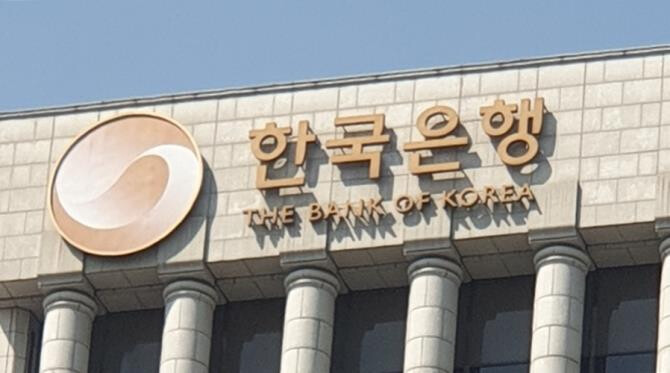
Seoul, South Korea – The Bank of Korea (BOK) is advocating for a proactive role in the authorization process should stablecoins denominated in the Korean won ever be issued domestically. This stance, articulated by a key official at a recent academic forum, underscores the central bank's apprehension regarding the potential implications of such digital currencies on monetary policy and financial stability. The BOK's assertion arrives at a crucial juncture, as discussions surrounding the introduction of won-based stablecoins gain momentum, spurred by the burgeoning global landscape of stablecoins, particularly those pegged to the US dollar, and the impending South Korean presidential election, which could bring about shifts in regulatory approaches.
Speaking at a conference hosted by the Korean Financial Law Association, Ko Kyung-cheol, head of the BOK's Electronic Finance Team, delivered a presentation titled 'Trends and Future Tasks Related to Stablecoins.' During his address, Mr. Ko emphasized the necessity for the central bank to possess "substantial legal authority from the authorization stage" concerning the entry of stablecoin issuers. This proactive stance reflects the BOK's underlying concern that the widespread adoption of won-pegged stablecoins could potentially supplant the traditional role of the Korean won as the nation's sole legal tender, thereby exerting significant influence over the efficacy of the central bank's monetary policy tools.
Mr. Ko elaborated on this point, stating, "By substantially intervening in the authorization stage, the central bank should minimize the negative impact on the execution of its policies." The BOK's argument hinges on the premise that without early and robust regulatory involvement, the proliferation of privately issued stablecoins linked to the national currency could introduce complexities and challenges in managing inflation, controlling the money supply, and maintaining overall financial stability.
It is noteworthy that the current legal framework in South Korea does not permit the issuance of stablecoins pegged to the won. This regulatory stance contrasts with developments in other major jurisdictions, notably the United States and Europe, where the infrastructure and regulatory frameworks are increasingly accommodating the use of stablecoins for direct payment transactions. The rapid ascent of dollar-backed stablecoins, such as USDT (Tether) and USDC (Circle), has demonstrated the potential for these digital assets to become integral parts of the financial ecosystem, facilitating cross-border transactions, providing liquidity in cryptocurrency markets, and even serving as a medium of exchange in certain contexts.
The debate surrounding stablecoins globally centers on their potential benefits in terms of efficiency and innovation versus the risks they pose to financial stability, consumer protection, and monetary sovereignty. Central banks worldwide are grappling with how to regulate these digital assets effectively, with approaches varying from outright bans to the development of comprehensive licensing and oversight regimes.
In the United States, regulatory scrutiny of stablecoins has intensified, with discussions around potential federal oversight and the classification of stablecoin issuers as banks. The President's Working Group on Financial Markets, along with other regulatory bodies, has issued reports highlighting the potential risks associated with stablecoins and advocating for clearer regulatory frameworks. The focus has been on ensuring that stablecoin issuers maintain adequate reserves, adhere to anti-money laundering (AML) and know-your-customer (KYC) requirements, and have robust mechanisms in place to maintain the stable peg to the underlying fiat currency.
In Europe, the Markets in Crypto-Assets (MiCA) regulation, expected to come into full effect in the near future, will establish a comprehensive legal framework for the issuance and trading of crypto-assets, including stablecoins. MiCA aims to provide legal certainty, support innovation, and protect consumers and market integrity. It sets out requirements for authorization, supervision, and operation of crypto-asset service providers and issuers, including stringent rules for stablecoin issuers regarding reserve assets and governance.
The BOK's proactive stance reflects a growing recognition among central banks globally of the need to carefully manage the potential implications of stablecoins. The concern that privately issued digital currencies could erode the central bank's control over monetary policy is a key driver behind calls for robust regulatory frameworks. If a significant portion of economic transactions were to occur using won-pegged stablecoins issued by private entities, the central bank's ability to influence interest rates and manage inflation through traditional monetary policy tools could be diminished.
Furthermore, the BOK's emphasis on involvement from the "authorization stage" highlights the importance of preventative measures. By having a say in who can issue won-based stablecoins and under what conditions, the central bank aims to ensure that potential issuers meet stringent financial stability and operational resilience standards from the outset. This early engagement could also allow the BOK to influence the design and functionality of won-pegged stablecoins in a way that aligns with broader monetary policy objectives.
The upcoming presidential election in South Korea adds another layer of complexity to this issue. A change in administration could potentially lead to a shift in the government's stance on digital assets, including stablecoins. The ongoing discussions and the BOK's assertive position suggest that the future regulatory landscape for stablecoins in South Korea is likely to be a subject of intense debate and policy formulation in the coming years.
While the issuance of won-based stablecoins remains prohibited for now, the BOK's proactive articulation of its regulatory expectations signals a preparedness for potential future developments. As the global landscape of digital currencies continues to evolve rapidly, the Bank of Korea's call for early involvement in the authorization of won-pegged stablecoins underscores the critical need for central banks to adapt and assert their role in shaping the future of monetary and financial systems. The debate in South Korea mirrors broader international discussions on how to harness the potential benefits of stablecoins while mitigating their inherent risks, highlighting the complex interplay between innovation, regulation, and monetary sovereignty in the digital age.
[Copyright (c) Global Economic Times. All Rights Reserved.]