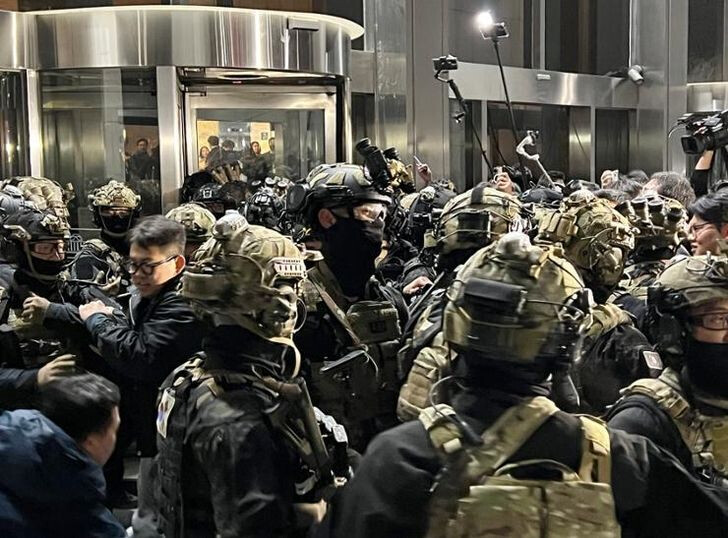
SEOUL — As South Korea approaches the two-year milestone following the turbulent events of the December 3 emergency martial law, the conservative People Power Party (PPP) finds itself embroiled in renewed internal friction regarding whether to issue a formal public apology.
Recently, PPP Leader Chang Dong-hyuk dismissed calls for a formal apology, arguing that such demands alienate the core political base and distract from pressing economic concerns. He characterized the pressure as an attempt to undermine current leadership. However, political analysts and critics counter that failing to fully reconcile with a constitutional crisis of that magnitude prevents the party from regaining public trust.
The controversy stems largely from perceptions that past expressions of remorse were incomplete. Observers note that previous statements sidestepped the legal and constitutional violations of the martial law period and avoided a definitive separation from former President Yoon Suk-yeol. Moderate figures within the party, including Seoul Mayor Oh Se-hoon, have continuously pressed for a deeper accounting, warning that superficial reflections only deepen public skepticism.
Compounding these tensions are criticisms surrounding leadership ambitions. Internal critics have raised concerns that Mr. Chang’s reluctance to address the martial law issue is tied to safeguarding his political future ahead of upcoming leadership terms, signaling that the party leadership may be prioritizing hardline factional loyalty over broader public sentiment.
Meanwhile, the conservative opposition has shifted its focus to street protests, organizing rallies against a special counsel probe involving President Lee Jae-myung's administration. While opposition lawmakers argue that potential conflicts of interest in the special investigation warrant intense scrutiny, commentators argue that these outdoor campaigns lack moral authority. Observers point out that it is difficult for the party to convincingly champion the rule of law while struggling to reckon with the martial law enacted during its own tenure in power.
Political analysts suggest that unless the opposition addresses its own historical shortcomings, its legislative and street strategies will struggle to check the ruling bloc effectively, leaving ordinary citizens disillusioned as partisan politics continue to eclipse economic and livelihood concerns.
[Copyright (c) Global Economic Times. All Rights Reserved.]