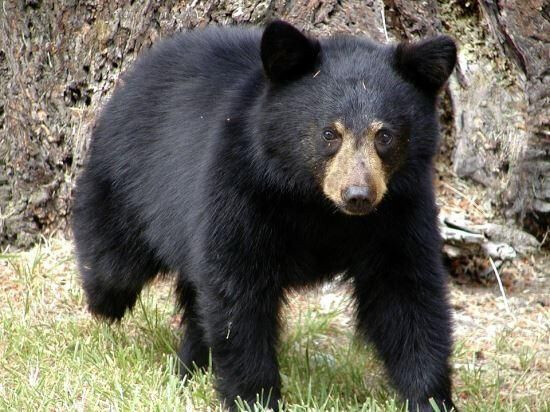
MAEBASHI, Japan — Local authorities in Maebashi, a city in Japan’s Gunma Prefecture, are facing a massive wave of phone complaints from animal welfare sympathizers after capturing a young bear in a residential neighborhood earlier this month.
The incident began on November 17, when two bears—believed to be a mother and her cub—wandered into a populated area of the city. While municipal responders successfully trapped the cub later that day, the adult bear remains at large. Following reports of the capture, Maebashi City Hall was overwhelmed by hundreds of phone calls, including dozens over the recent three-day holiday weekend, with callers pleading for the cub’s life to be spared and demanding its release back into the wild.
According to city agricultural policy officials, the disruption has severely strained daily administrative operations, as staff members have been forced to spend hours fielding angry calls. Notably, officials observed that a large number of the calls appear to originate from outside Gunma Prefecture, with callers identifying themselves as residents of distant regions like Tokyo and Hokkaido, or speaking in western Kansai dialects.
The backlash from distant callers has sparked frustration among local social media users, many of whom argued that outsiders fail to grasp the immediate safety risks posed to residents living near bear habitats. Some online commenters even suggested deploying AI-based phone systems to manage the overwhelming call volume.
As the situation escalated, Japan’s Environment Minister Hiroyoshi Sasagawa stepped in to address the issue following a Cabinet meeting on November 24. Acknowledging that the influx of complaints was hampering municipal functions, Sasagawa urged the public to halt the protest calls and respect the difficult realities faced by local authorities.
The controversy highlights a broader national crisis in Japan, where human-bear encounters have surged in recent years. Experts attribute the trend to climate change altering bear habitats and rural depopulation leaving behind overgrown, abandoned farmlands that bridge the gap between forests and towns. Government data indicates that Japan recorded roughly 49,000 bear sightings between April and December last year, resulting in 230 injuries and 13 deaths—underscoring the delicate balance local governments must strike between wildlife conservation and public safety.
[Copyright (c) Global Economic Times. All Rights Reserved.]