![[등록] 2026-09-01 15:48:31](/support/_updata/banner2/tl181982910_6749.png)


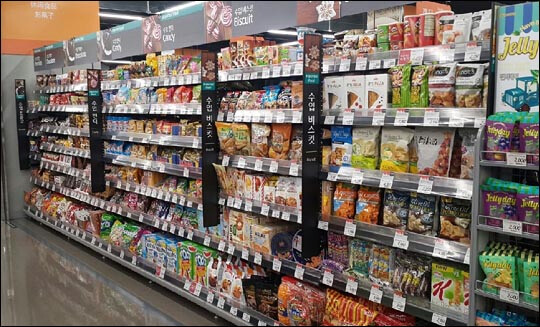
As South Korea anticipates the presidential impeachment ruling of Yoon Suk-yeol as early as next week, the nation’s food industry is implementing a series of price hikes. Companies acknowledge potential consumer backlash but deem the current period as the most opportune time for adjustments.
McDonald’s Korea announced a 2.3% average price increase for 20 menu items, effective March 20, marking their first price adjustment in approximately 10 months since May of the previous year. Similarly, Burger King raised the price of their signature Whopper from 7,100 won to 7,200 won in January.
Nongshim, a leading instant noodle manufacturer, is set to increase the ex-factory prices of 17 products, including ramen and snacks, by an average of 7.2% starting March 17. This move effectively restores the prices of popular items like Shin Ramyun and Saewookkang, which were previously lowered in July 2023 following government requests.
The confectionery and ice cream sectors are also adjusting their prices. Lotte Wellfood has increased the average price of 26 products, including Pepero, by 9.5%. Binggrae has also adjusted prices for items such as Double Crunch and Samanco since March, with its subsidiary Haitai Ice increasing prices for products like Bravo Cone.
The coffee industry is not exempt from these increases. Starbucks Korea, the nation’s largest coffee chain, raised prices for 22 tall-sized beverages by 200-300 won in January, including their popular Americano. Other coffee chains like Hollys, Paul Bassett, and Compose Coffee have also raised their prices.
Additionally, Lotte Asahi Liquor increased beer prices by up to 20%, SPC Paris Baguette raised bread and cake prices by an average of 5.9% last month, and SPC Dunkin’ adjusted donut and coffee prices upwards by 6% on average.
Factors Behind the Price Hikes
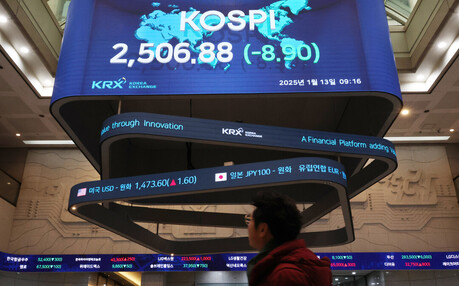
Companies attribute these price increases to external factors such as high exchange rates and rising raw material costs. The Korean won has weakened against the US dollar, surpassing the 1,400 won mark recently, significantly impacting the import-dependent food industry.
Climate change has also affected the supply of raw materials. Extreme heat has led to poor harvests of cocoa and coffee beans, driving up their commodity prices.
Industry insiders suggest that the current period is the most favorable time for price adjustments. With the impeachment ruling expected soon and the potential onset of a presidential election, companies anticipate increased scrutiny from the new government, making future price adjustments more challenging.
Following Nongshim’s price hike announcement on March 6, its stock price surged by over 10% in two days. The stock prices of other industry players like Ottogi and Samyang Foods also followed suit, reflecting positive investor sentiment towards the industry’s profitability improvements.
An industry representative stated, “While consumer sentiment may not be favorable, external conditions such as the potential re-election of President Trump and climate-driven inflation are indeed challenging. Companies are adjusting prices now to mitigate potential criticism in the future.”
Additional Considerations:
Inflationary Pressures: South Korea, like many other countries, is facing broader inflationary pressures, which are contributing to the rising costs of goods and services.
Consumer Impact: These price hikes are likely to impact consumers' daily expenses, especially those on lower incomes.
Government Response: It remains to be seen how the South Korean government will respond to these price increases and whether they will implement any measures to mitigate their impact on consumers.
Global Market Trends: The rising prices of raw materials are a global trend, affecting food industries worldwide.
[Copyright (c) Global Economic Times. All Rights Reserved.]