• 2026.11.17 (Tue)
  • All articles
  • LOGIN
  • JOIN
Global Economic Times
한인동포뉴스(상단)
  • Synthesis
  • World
  • Business
  • Industry
  • ICT
  • Distribution Economy
  • Well+Being
    • Pet Life
    • Halal Horizon
  • Travel
  • Eco-News
  • Education
  • Korean Wave News
  • Opinion
  • Arts&Culture
  • Sports
  • People & Life
    • International Student Report
    • With Ambassador
  • Column
    • Cho Kijo Column
    • Cherry Garden Story
    • Ko Yong-chul Column
    • Kim Bong-seon's Photo Column
    • Kim Seul-Ong Column
    • Lee Yeon-sil Column
    • Professor Lee Soo-young’s Life Essays
  • Photo News
  • New Book Guide
MENU
 
Home > Opinion

AI Cheating Vulnerabilities Expose Limits of CSAT Wi-Fi Bans

KO YONG-CHUL Reporter / Updated : 2026-11-17 12:15:27
  • -
  • +
  • Print

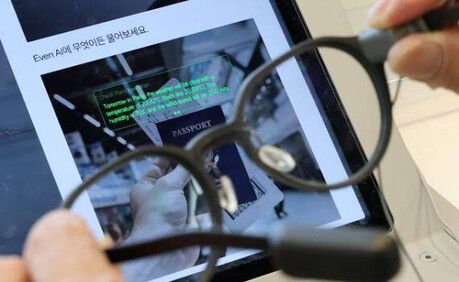
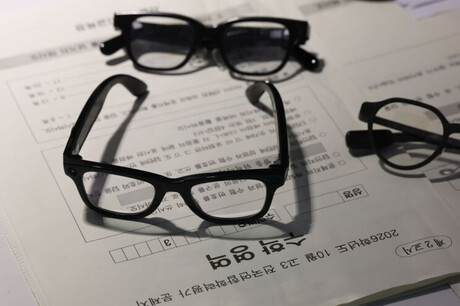
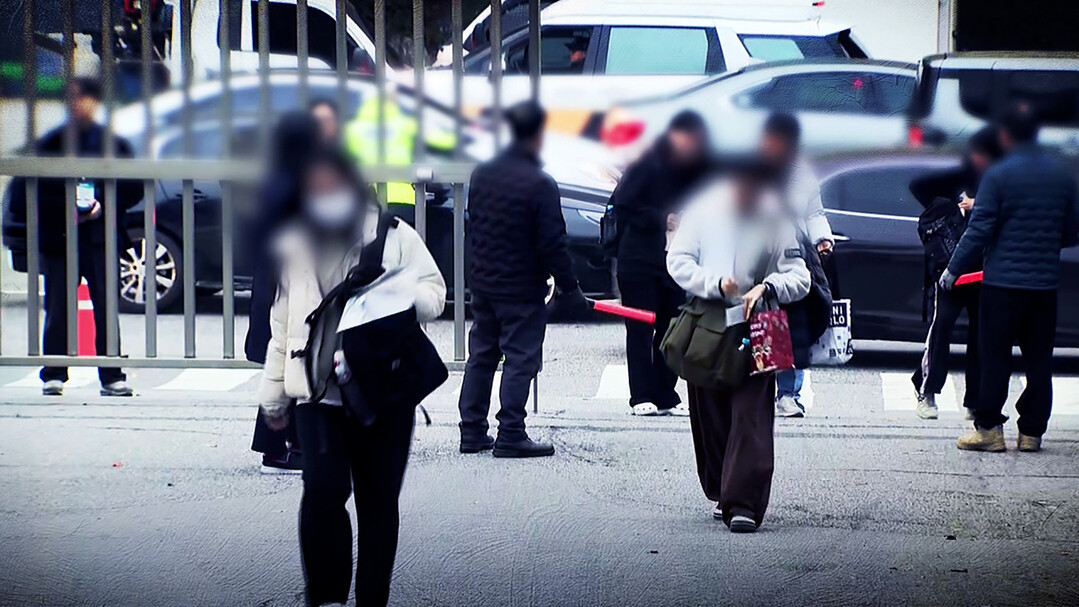
South Korea’s latest measures to curb tech-assisted cheating in the upcoming College Scholastic Ability Test (CSAT) are drawing criticism for being outdated and practically ineffective. While authorities are moving to restrict public Wi-Fi networks near exam halls to block AI-powered devices and smart glasses, experts warn that the strategy overlooks ubiquitous cellular alternatives.

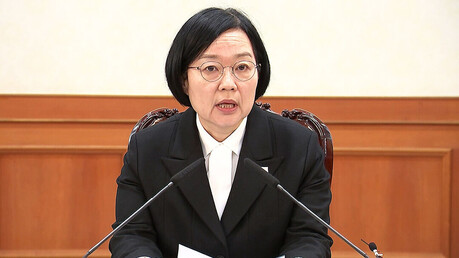
On Tuesday, the Ministry of Science and ICT (MSIT) announced inter-agency discussions to tighten wireless network controls during the national exam. However, ministry officials admitted that a total communication blackout inside exam rooms is legally and technically challenging.

Industry insiders point out major loopholes in the government's approach. Telecom representatives note that while disabling school or public Wi-Fi is straightforward, malicious actors can easily bypass it by relying on faster 5G and LTE cellular networks or Bluetooth connections.

Legal and logistical hurdles have also forced the Ministry of Education to back away from initial proposals involving signal jamming. Under current telecommunication laws, deliberate signal blocking is strictly prohibited except under specific public safety exceptions. Broad network shutdowns risk disrupting surrounding neighborhoods and emergency services, while unauthorized jamming equipment remains illegal.

Education and technology experts argue that physical security and administrative vigilance are far more critical than network throttling. Recommendations include installing security checkpoints at test centers and providing invigilators with specialized training to detect advanced wearable tech. As artificial intelligence continues to evolve at a rapid pace, policymakers face mounting pressure to build comprehensive, long-term frameworks to safeguard academic integrity against modern digital threats.

[Copyright (c) Global Economic Times. All Rights Reserved.]

  • #Cherry Garden
  • #HalalFood
  • #Halal
  • #Petlife
  • #Halalhorizone
  • #Hormuz Impasse
  • #Joseon
  • #globaleconomictimes
  • #micore
KO YONG-CHUL Reporter
Reporter Page

Popular articles

  • Culinary Mashups and Nostalgia with a Twist: South Korea’s F&B Giants Vie for Consumer Attention

  • Hyundai and Kia Accelerate European Push with Compact Cars to Outrun Chinese Rivalry

  • Japanese Hotel Prices Surge Nearly 9% Amid Booming Korean Tourism

I like it
Share
  • Facebook
  • X
  • Kakaotalk
  • LINE
  • BAND
  • NAVER
  • https://globaleconomictimes.kr/article/1065582877553209 Copy URL copied.
Comments >

Comments 0

Weekly Hot Issue

  • Kim Jong Un Inspects Samjiyon Tourism Zone Construction Near North Korea-China Border; Daughter Ju Ae Seen Skiing
  • A Watercolor Series Capturing the Breath of Nature and Lyrical Everyday Life… Artist Choi Young-sook’s Solo Art Exhibition Opens
  • Asia Enforces Strict Measures Against "AI Cheating" in Exams Amid Rising Technological Concerns
  • AI Cheating Exposes Vulnerabilities in National Exams as Over 60% of Site Supervisors Are External Staff
  • South Korea Tightens CSAT Exam Security with Strict Anti-Cheating Measures
  • China-Linked Hackers Deploy AI Tools to Target South Korean Diplomatic Organizations

Most Viewed

1
South Korea and Ethiopia Sign Trilateral MOU to Introduce Liquid-Based Cytology (LBC) Technology for Cervical Cancer Diagnosis
2
Meeting Christmas Early!… Busan Dessert Sales Event "Daldal The Market" Held
3
World Citizens are Flying Directly to Busan... The Era of 4 Million Foreigners is Just Around the Corner
4
Eating 100g of Baechu Kimchi Daily Linked to Lower High-Cholesterol Risks
5
First Snow and Freeze Hit Korea as Winter Officially Begins on 'Ipdeong'
체리가든 스토리
nutri huevos
로타리
동포저널

Hot Issue

U.S. Transportation Secretary Urges Major Funding for Air Traffic Control System Following Massive Communications Failure

Tech Firms Spar Over AI Talent with Lucrative Sign-on Bonuses and Referral Perks

AI Semiconductor Stocks Plummet: Philadelphia Index Drops 5.28% and Micron Plunges 7.59% Amid Executive Shakeup and Export Restrictions

Fashion Runway Show 2026

Let’s recycle the old blankets in Jeju Island’s closet instead of incinerating them.

Global Economic Times
korocamia@naver.com
CEO : LEE YEON-SIL
Publisher : KO YONG-CHUL
Registration number : Seoul, A55681
Registration Date : 2024-10-24
Youth Protection Manager: KO YONG-CHUL
Singapore Headquarters
5A Woodlands Road #11-34 The Tennery. S'677728
Korean Branch
Phone : +82(0)10 4724 5264
#304, 6 Nonhyeon-ro 111-gil, Gangnam-gu, Seoul
Copyright © Global Economic Times All Rights Reserved
  • News K
  • 반달곰 프로젝트
  • 광고문의
Search
Category
  • All articles
  • Synthesis
  • World
  • Business
  • Industry
  • ICT
  • Distribution Economy
  • Well+Being 
    • 전체
    • Pet Life
    • Halal Horizon
  • Travel
  • Eco-News
  • Education
  • Korean Wave News
  • Opinion
  • Arts&Culture
  • Sports
  • People & Life 
    • 전체
    • International Student Report
    • With Ambassador
  • Column 
    • 전체
    • Cho Kijo Column
    • Cherry Garden Story
    • Ko Yong-chul Column
    • Kim Bong-seon's Photo Column
    • Kim Seul-Ong Column
    • Lee Yeon-sil Column
    • Professor Lee Soo-young’s Life Essays
  • Photo News
  • New Book Guide
  • Overseas Koreans
  • Multicultural News