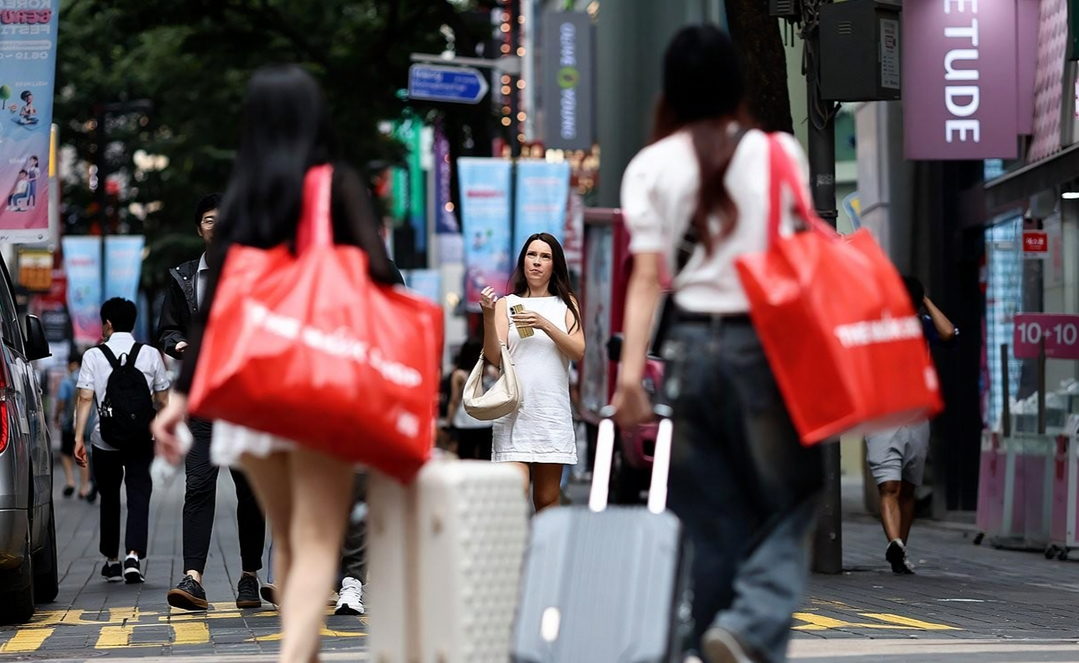
SEOUL — South Korea is set to overhaul the deeply entrenched financial structures driving low-cost group tours, targeting the heavy reliance on shopping commissions that have long defined the country's budget travel market.
The Ministry of Culture, Sports and Tourism announced it will host a public hearing on November 13 at the Seoul Garden Hotel in Mapo-gu to gather industry feedback on a proposed revision to the Enforcement Rule of the Tourism Promotion Act.
A Phased Approach to Commission Regulation
Under the government's phased roadmap, variable commission caps tailored to specific retail stores and purchased items will be implemented through the end of 2027. By 2028, these tiered limits will transition into a single, unified commission rate applicable across all venues and products.
This regulatory shift follows an amendment to the Tourism Promotion Act promulgated last June. The law explicitly bans designated inbound travel agencies from slashing tour package prices far below actual operating costs while relying on high shopping commissions to stay afloat. It also targets aggressive tactics such as forcing tourists to buy goods, using coercive language, or covering tour guide wages solely through shopping revenue.
Government officials opted for a gradual implementation timeline to prevent sudden financial shocks to travel agencies and give businesses time to adjust existing contracts with retail partners.
Breaking the Cycle of Cheap Tours
For years, a segment of inbound group tours has been sold abroad at prices well below actual operating costs. Because inbound agencies struggle to cover essential expenses like lodging, transportation, and meals through tour package sales alone, they have grown heavily dependent on commissions paid out by designated tourist shops. This system has left travelers vulnerable to unexpected disruptions, such as a recent incident in Dongdaemun, Seoul, where roughly 60 Chinese tourists were left stranded after a domestic agency halted bus operations due to unpaid travel fees.
The Ministry hopes the upcoming regulations will push the market away from artificially cheap packages and toward properly priced, transparent tourism products that reflect genuine operating expenses.
Divided Industry Reactions
The proposed changes have triggered mixed responses within the tourism sector. While some travel agencies have voiced concerns over potential revenue losses resulting from capped commissions, others argue that government intervention is necessary to force a transition toward healthier trade practices and ensure stable operational funding.
Following Thursday’s public hearing—which will feature presentations by the Korea Culture and Tourism Institute alongside representatives from travel associations, duty-free shops, and local agencies—the Ministry plans to finalize the enforcement rules. Subsequent steps will include interagency consultations, legislative notice, and regulatory reviews. Specific rate caps have not yet been disclosed.
"Past dumping tours operated on an excessive shopping commission structure that disrupted market order and disappointed visitors," said Kang Jung-won, Deputy Minister for Tourism Policy. "This restriction on shopping commissions is an essential turning point for establishing fair market order and upgrading the quality of inbound tourism in South Korea."
[Copyright (c) Global Economic Times. All Rights Reserved.]