![[등록] 2026-09-01 15:48:31](/support/_updata/banner2/tl181982910_6749.png)


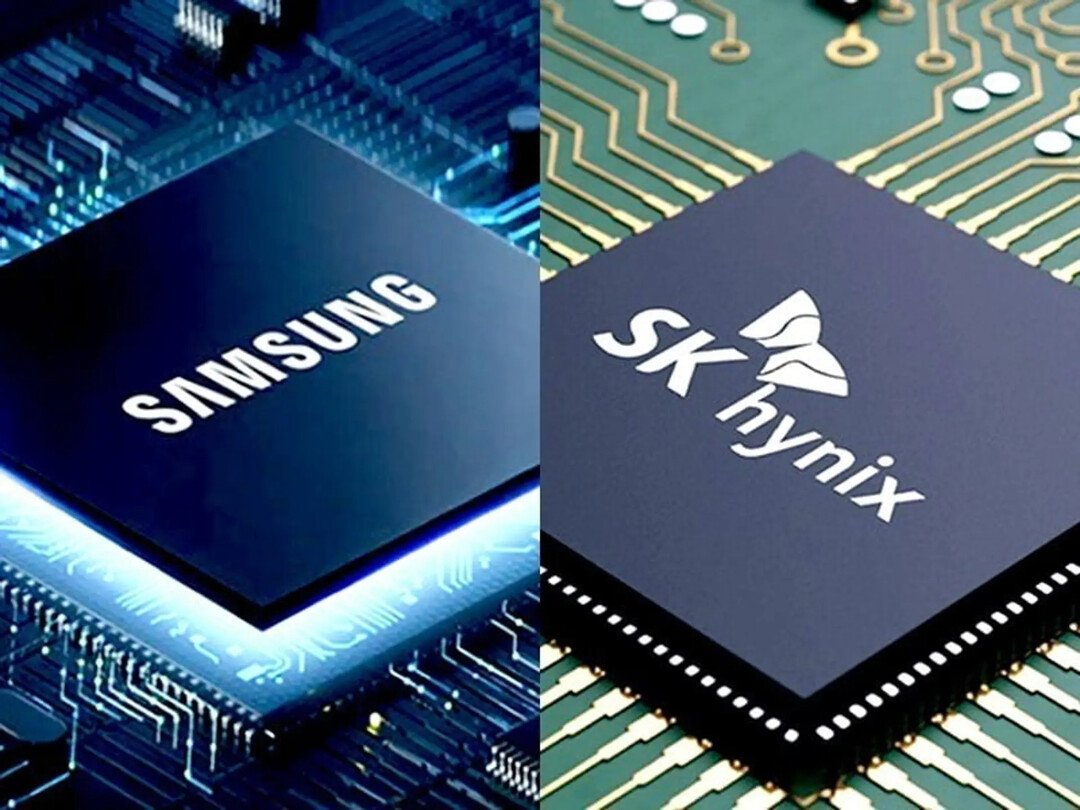
SEOUL — The South Korean stock market is bracing for heavy downward pressure today due to escalating U.S. military risks in Iran and growing anxieties over the artificial intelligence (AI) industry. Tech giants Samsung Electronics and SK Hynix both crashed around 5% in pre-market trading, signaling severe intra-day volatility ahead for the broader index.
According to Nextrade pre-market data at 8:13 AM on June 11, Samsung Electronics fell 4.96% (15,000 won) to trade at 287,500 won. Memory chip rival SK Hynix dropped 5.13% (105,000 won) to 1,943,000 won, while its investment arm SK Square slid 5.75% to 1,115,000 won. Other major blue chips also tumbled, including Hyundai Mobis (-7.02%), Samsung Electro-Mechanics (-6.20%), Hyundai Motor (-5.48%), and Samsung SDI (-5.24%).
This widespread sell-off follows a sharp overnight drop on Wall Street. Although the May U.S. Consumer Price Index (CPI) met market expectations, President Donald Trump's warnings of additional military strikes against Iran sent global oil prices surging. Concurrently, sentiment in the tech sector soured following reports that SoftBank's loan negotiations backed by its OpenAI stake had reached a deadlock, stoking fresh fears over the sustainability of the global AI boom.
Compounding these external shocks, South Korea faces its first quadruple witching day—the simultaneous expiration of equity futures and options—since the launch of single-stock leverage products for Samsung Electronics and SK Hynix in late May.
Han Ji-young, a senior market analyst at Kiwom Securities, warned of potential market distortions during the session. "Because this is the first quadruple witching day since the single-stock leverage products were listed, the intra-day supply and demand fluctuations between spot and futures markets could temporarily distort prices across the entire KOSPI," Han explained.
Han also noted that global institutional fund reallocation to prepare for SpaceX's upcoming listing on June 12 could further amplify the domestic market's supply-and-demand volatility today.
[Copyright (c) Global Economic Times. All Rights Reserved.]