![[등록] 2026-09-01 15:48:31](/support/_updata/banner2/tl181982910_6749.png)


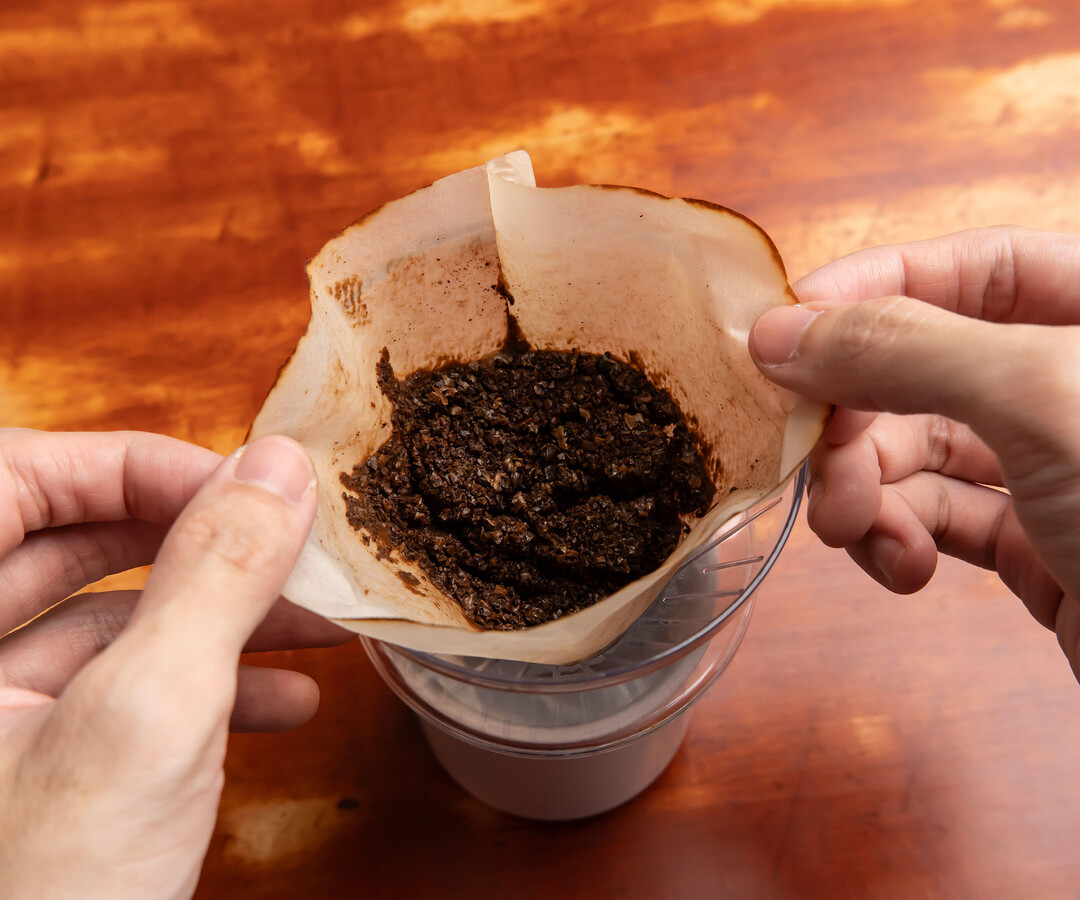
For many, a morning cup of coffee is an essential ritual. While most of us simply discard the leftover liquid or spent grounds, a growing trend in gardening communities suggests that your morning brew could be a secret weapon for plant care. Specifically, reports indicate that coffee can act as a natural deterrent for garden pests like snails, slugs, and aphids. But does this household hack hold up under scientific scrutiny?
The Science Behind the Brew
The efficacy of coffee as a pest repellent stems primarily from its caffeine content. While caffeine serves as a stimulant for humans, it acts as a potent toxin to many invertebrates.
A landmark study published in the journal Nature in 2002 by researchers from the U.S. Department of Agriculture (USDA) investigated this phenomenon. The study demonstrated that caffeine solutions—specifically at concentrations of 1% to 2%—effectively repelled or even proved lethal to slugs and snails. The caffeine interferes with the nervous systems of these pests, acting as a neurotoxin that disrupts their biological functions. Following this research, institutions like the Oregon State University (OSU) Extension Service have noted that diluted coffee solutions can be a useful tool in integrated pest management (IPM) for home gardeners.
Navigating the Risks: Why "More" Isn't "Better"
Despite these promising findings, horticulturists warn against the haphazard application of coffee to houseplants or garden soil. Coffee is not a benign substance for plants, and improper use can lead to significant issues:
Phytotoxicity: High concentrations of caffeine can induce stress in plants, leading to browning leaves, stunted growth, and inhibited root development.
Temperature Damage: Pouring hot or freshly brewed coffee onto soil is a common mistake that can cause thermal shock to plant roots and foliage.
Soil Chemistry: Coffee is acidic and rich in nitrogen. While some acid-loving plants like azaleas or blueberries may benefit from the acidity, excessive use can alter the soil pH to levels that are detrimental to sensitive plants.
Sunburn and Mold: If coffee splashes onto leaves, it can create a lens effect when exposed to direct sunlight, causing "leaf burn." Furthermore, the accumulation of organic matter from coffee grounds can promote fungal growth and mold if the soil stays too moist.
Expert Recommendations for Safe Usage
If you are considering using coffee to manage pests, experts advise a cautious and strategic approach:
Use as a Targeted Intervention: Do not use coffee as a preventative tonic or a daily fertilizer. Use it only when a specific pest infestation (such as snails or slugs) is confirmed.
Dilution is Key: Never apply concentrated, full-strength coffee directly to plants. Always dilute your leftover brew with water to ensure the caffeine concentration is low enough to repel pests without overwhelming the plant’s health.
Test First: Before treating your entire garden, apply the solution to a single, non-essential area or a less sensitive plant to monitor for adverse reactions.
Prioritize Proven Methods: Coffee should be viewed as an auxiliary, short-term solution rather than a panacea. If a pest problem persists, standard organic pest control methods—such as physical barriers, neem oil, or manual removal—remain more reliable and safer for the long-term health of your garden.
Final Verdict
While it is fascinating that a leftover morning beverage can serve as a biological barrier against garden pests, it is not a foolproof "all-natural pesticide." The key to successful gardening is balance. By understanding the chemical properties of what we add to our soil, we can effectively harness nature's resources without inadvertently harming the very plants we aim to protect.
The next time you see a slug creeping toward your prize-winning lettuce, a small, controlled amount of diluted coffee might just provide the barrier you need—but always tread carefully to keep your green friends thriving.
[Copyright (c) Global Economic Times. All Rights Reserved.]