![[등록] 2026-09-01 15:48:31](/support/_updata/banner2/tl181982910_6749.png)


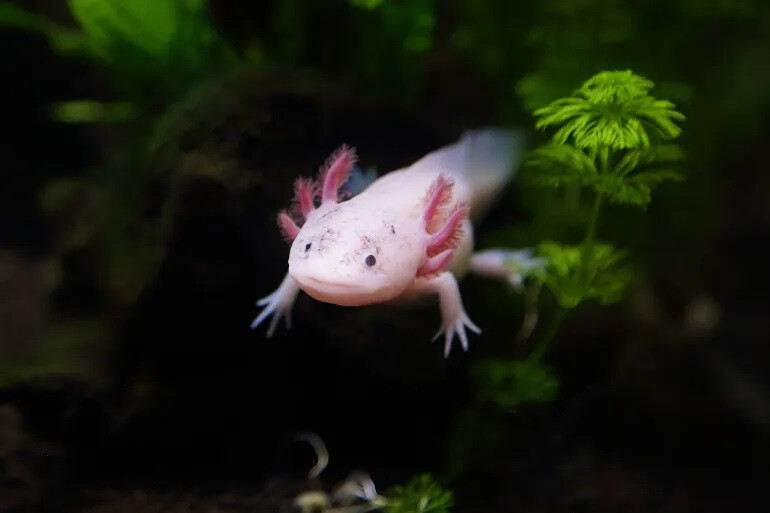
In a remarkable turn of events, the critically endangered axolotl (Ambystoma mexicanum), a creature as captivating in appearance as it is vital to its ecosystem, has demonstrated a surprising ability to adapt and survive in artificial wetlands constructed in its native Mexico. This development offers a beacon of hope for a species teetering on the brink of extinction due to relentless pressures from pollution, habitat degradation, and the introduction of invasive species.
The axolotl, often dubbed the "Mexican walking fish" despite being an amphibian, holds a unique place in both the natural world and Mexican culture. Revered in Aztec mythology as an incarnation of the god Xolotl, this neotenic salamander is characterized by its feathery external gills, wide "smiling" mouth, and extraordinary ability to regenerate lost limbs, spinal cords, and even parts of its brain and heart without scarring. This remarkable regenerative capacity has made it a subject of intense scientific interest, holding potential for advancements in human medicine.
However, the axolotl's unique biology and cultural significance have not shielded it from the devastating impacts of human activity. Native exclusively to the interconnected lake and canal system of Xochimilco, a historical area south of Mexico City, the axolotl population has suffered a catastrophic decline of over 99% in the past two decades. Once teeming with thousands of these amphibians per square kilometer, by 2014, surveys revealed a mere handful clinging to survival.
The primary drivers of this decline are multifaceted. The rapid urban expansion of Mexico City has led to significant pollution runoff into the Xochimilco waterways, severely degrading the water quality essential for the axolotl's survival. Untreated sewage and agricultural chemicals have created a toxic environment, depleting oxygen levels and introducing harmful substances. Furthermore, the introduction of non-native species, particularly tilapia and carp, which escaped from aquaculture farms, has created fierce competition for food and has led to direct predation on young axolotls.
Adding to these threats is the looming shadow of climate change, which can disrupt the delicate balance of the aquatic ecosystem, altering water temperatures and rainfall patterns. While the chytrid fungus, a deadly pathogen responsible for amphibian die-offs globally, has been detected in Xochimilco, it has not yet reached catastrophic levels for the axolotl population. Nevertheless, it remains a constant and concerning threat.
Faced with the potential extinction of this iconic species, scientists and conservationists have embarked on ambitious efforts to secure the axolotl's future. Recognizing the critical need for safe havens, researchers from the Autonomous University of Baja California, in collaboration with local communities, initiated a project to create artificial wetlands near Xochimilco. These engineered environments incorporate natural filtration systems, utilizing native plants to purify the water and create conditions conducive to axolotl survival.
In a recent study published in "PLoS One," researchers documented the successful adaptation of 18 captive-bred axolotls released into two such artificial wetlands. Equipped with radio tracking devices, the amphibians were monitored, and the findings revealed that they were not only surviving but also actively feeding in their new surroundings. This "amazing result," as lead researcher Alejandra Ramos described it, offers a crucial proof of concept: with carefully designed and managed habitats, the axolotl has the potential for recovery.
The success in the artificial wetlands underscores the importance of habitat restoration and the creation of protected areas for the axolotl. These refuges provide a sanctuary from the pollution and invasive species that plague their natural habitat. The study also highlighted the axolotl's adaptability, demonstrating its ability to thrive in both restored natural wetlands and the newly constructed artificial ones, provided the water quality and ecological structure are suitable.
Beyond the scientific endeavors, an unexpected ally has emerged in the fight to save the axolotl: popular culture. The inclusion of the axolotl in the globally popular video game Minecraft in 2021 sparked a surge of international interest in the creature. This digital spotlight translated into real-world awareness and support for conservation efforts. Further amplifying its cultural significance, Mexico's central bank introduced a new 50-peso banknote featuring the axolotl, cementing its status as a national symbol. The axolotl's image now adorns murals, clothing, and toys across the country, signifying a renewed appreciation for this unique amphibian.
Luis Zambrano, a leading researcher at the National Autonomous University of Mexico, aptly stated the cultural importance of the axolotl, telling the BBC, "If we lose this species, we lose part of Mexican identity." This resurgence in public awareness and affection provides a powerful platform for conservation advocacy and can translate into greater support for funding and protective measures.
However, the challenges remain significant. As the study authors emphasize, sustained public funding is crucial for long-term conservation success, not just for the axolotl but for the myriad other amphibian species facing extinction worldwide. The stark reality is that amphibian populations globally are under immense pressure from habitat loss, climate change, and deadly diseases like the chytrid fungus.
The axolotl's story, while offering a glimmer of hope, also serves as a poignant reminder of the broader biodiversity crisis. Mexico, despite its rich natural heritage, has faced budget cuts in environmental protection, highlighting the need for greater political will and investment in conservation.
Alejandra Ramos's call for a collective effort – involving governments, businesses, and individuals – resonates deeply. The survival of the axolotl, and countless other endangered species, hinges on a concerted commitment to habitat preservation, pollution control, and mitigating the impacts of climate change. While the task is daunting, the successful adaptation of the axolotls in the artificial wetlands demonstrates that with dedicated research, community involvement, and public support, reversing the tide of extinction is not an insurmountable challenge. The "smiling" salamander's resilience offers a vital lesson: hope, like the axolotl's regenerative abilities, can flourish even in the face of seemingly insurmountable odds, provided we act decisively and collectively.
[Copyright (c) Global Economic Times. All Rights Reserved.]