![[등록] 2026-09-01 15:48:31](/support/_updata/banner2/tl181982910_6749.png)


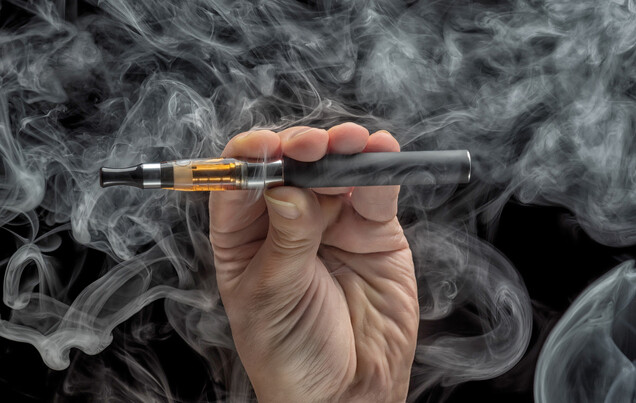
KUALA LUMPUR - Malaysia is set to implement a nationwide ban on all types of electronic cigarettes and vaping products by mid-2026 as part of a drastic measure to curb the alarming surge in youth usage. The decision marks a significant shift in public health policy, prioritizing the well-being of its youth over the economic benefits of a rapidly expanding industry.
The announcement was made by Malaysian Health Minister Datuk Seri Dr. Dzulkefly Ahmad on September 25th at the launch of the 'National Blueprint on Health Behavioral Insight' in Cyberjaya, an initiative spearheaded by the Ministry of Health and the World Health Organization (WHO).
"The question is no longer 'should we ban vaping,' but 'when will we ban it,'" Dr. Dzulkefly stated to the press, outlining a phased approach to the prohibition. The initial phase will focus on banning open-system vaping products, where users manually refill the e-liquid, before extending the prohibition to encompass all other types of e-cigarettes.
A Long-Delayed Measure
The move follows years of debate and regulatory inaction, which Dr. Dzulkefly acknowledged had come "a bit late." He pointed out that while a ban was initially contemplated by his predecessors in 2015, Malaysia had failed to follow the decisive lead of regional neighbors like Singapore, Thailand, and Brunei, which have successfully implemented comprehensive bans.
The urgency for action has intensified due to the escalating public health crisis among adolescents. Across Malaysia and Southeast Asia, the rapid increase in teenage vaping has been accompanied by the circulation of potentially lethal e-liquids, including those containing Etomidate, a substance classified as a poison. This has led to reports of seizures, fainting, organ damage, and even accidents where youth have fallen after experiencing dizziness. A 2022 Malaysian government survey revealed that approximately 14.9% of adolescents aged 13 to 17 were using e-cigarettes.
Economic Barriers to Public Health
The primary hurdle to enacting a swift ban has been the robust economic activity generated by the vaping sector. Azrul Mohd Khalib, CEO of the Galen Centre for Health and Social Policy, a health policy think tank, noted that while the public health benefits of a ban are clear and compelling, "a lack of political will has hampered implementation." He cited the industry's significant contribution to job creation and government revenue as the major political barrier.
The commercial scale of the industry underscores this challenge. According to the Malaysian Chamber of Commerce, the retail value of the e-cigarette market surged by nearly 53% from RM2.27 billion (approximately $484 million USD) in 2019 to RM3.48 billion (approximately $743 million USD) in 2023.
Regional Precedents
Malaysia's new policy aligns with the stringent measures adopted by other nations grappling with similar youth vaping crises.
Singapore, which banned the purchase, possession, and use of e-cigarettes in principle starting in 2018, recently raised its related fine from a maximum of S500toamaximumof∗∗S700** (approximately $512 USD) as of September 1st. Penalties for offenders, especially students, civil servants, and military personnel, can be severe, including suspension from school, dismissal from public service, and even detention for those in the military, in addition to judicial punishment.
Thailand has maintained a comprehensive ban, first prohibiting the import of e-cigarettes and their liquids in 2014, and subsequently banning their sale and distribution the following year.
By committing to a full ban by mid-2026, Malaysia is decisively joining its neighbors in an effort to safeguard its next generation from the detrimental effects of nicotine and harmful chemicals in vaping products.
[Copyright (c) Global Economic Times. All Rights Reserved.]