![[등록] 2026-09-01 15:48:31](/support/_updata/banner2/tl181982910_6749.png)


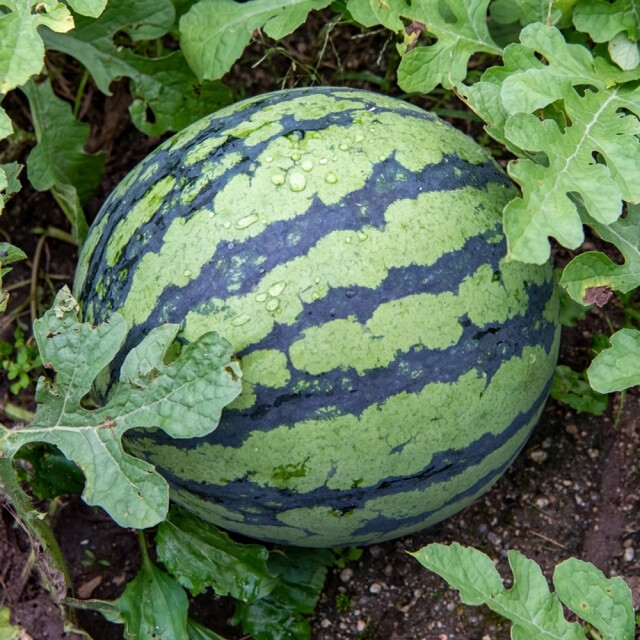
From vibrant "golden watermelons" and apple-sized watermelons to processed snacks like popcorn, fruit-flavored yogurt, and jellies, North Korean state media has recently been flooded with images of an evolving food landscape. While these reports serve as propaganda to bolster the narrative that Kim Jong Un’s “Regional Development 20x10 Policy” is successfully improving living standards, they also offer a glimpse into a society undergoing a profound socio-economic shift.
The Propaganda: A Showcase of Abundance
Over the past week, North Korean state television (KCTV) and the Rodong Sinmun have dedicated significant coverage to modern greenhouse farms and food processing factories. Reports highlight:
Agricultural Diversification: Facilities like the Yonpo Greenhouse Farm in South Hamgyong Province are now cultivating exotic crops such as golden watermelons, golden cherry tomatoes, and bell peppers, alongside specialty produce like apple watermelons.
Expansion of Processed Foods: The Taedonggang Fruit Processing Factory in Pyongyang is promoting a wide array of goods, ranging from fruit-flavored yogurts and juices to refined snacks like butter cookies, sandwiches, and fruit-infused jellies.
The "Popcorn" Symbolism: Recent photographs from the Pyongyang Corn Processing Factory prominently feature popcorn, presented as a symbol of the state's effort to enhance the daily lives of its citizens.
These reports aim to project an image of a thriving, modernizing economy where the state successfully caters to the diversifying tastes of its people.
The Reality: A Growing Divide
Beneath the polished facade of state-run media lies a more complex reality. Experts suggest that the increase in product diversity is less about a nationwide improvement in food security and more about the rise of a nascent consumer class and deepening economic stratification.
"In the past, North Korea relied on a rigid public distribution system where everyone was 'equally poor,'" explains Dr. Jung Eun-lee, a researcher at the Korea Institute for National Unification. "Today, that dynamic has changed. A large portion of the population now depends on unofficial market activities, logistics, and trade to survive."
While the general standard of living has risen for those integrated into the market economy, the gap between the affluent and the impoverished has widened. Residents in major urban centers who actively participate in Jangmadang (informal markets) possess the purchasing power to access these newer, diverse goods. However, for those in rural or marginalized regions, these products remain largely out of reach—either unavailable in local markets or far too expensive for the average worker’s wage.
Market Forces and Consumer Demand
The diversification of food items is, in part, a response to a genuine increase in market demand. As North Korean society slowly urbanizes and exposure to external information increases, there is a clearer demand for variety beyond staple grains. The regime appears to be co-opting this market-driven consumer demand, framing it as the success of state-led industrial policy to maintain political legitimacy.
A Fragmented Future
The reality of North Korean food security remains precarious. While high-tech greenhouses and modern factories produce a wider variety of food, these outputs are often prioritized for the elite, the military, or citizens in key political hubs like Pyongyang.
The influx of "golden watermelons" and jellies in media reports reflects a strategic attempt by the regime to project an image of progress. Yet, for the average North Korean, the ability to enjoy these products depends less on state policy and more on one's ability to navigate the complex, often unpredictable world of the unofficial market. As regional and social inequality continues to deepen, the "diversified food landscape" shown on KCTV serves as a stark reminder of the widening chasm between the lives of the privileged few and the struggles of the general populace.
[Copyright (c) Global Economic Times. All Rights Reserved.]