ANTALYA — South Korea’s climate strategy drew sharp scrutiny at the 31st United Nations Climate Change Conference (COP31) in Turkey, with international watchdogs and youth advocates criticizing the nation's heavy reliance on cross-border carbon credits and a lack of youth engagement in policy.
During a joint panel hosted by climate advocacy group Plan 1.5 and European think tank Carbon Market Watch, policy experts argued that Seoul's approach undermines the core principles of the Paris Agreement. Juliette de Grandpré of the NewClimate Institute stressed that acquiring foreign emission credits should never replace aggressive domestic decarbonization across critical sectors like energy and transport.
Plan 1.5 highlighted that South Korea has progressively raised its overseas reduction targets with each revision of its 2030 Nationally Determined Contribution (NDC). According to the group's analysis, only about 48% (20.41 million tons) of the 42.76 million tons of Article 6 credits targeted by Seoul for 2030 qualify as legitimate reductions, with the rest facing risks of over-counting or legacy vintage issues.
Indi Johnstone of the Article 6 Observatory labeled South Korea a "textbook case" of "NDC washing," wherein nations scale back domestic efforts while leaning heavily on international markets.
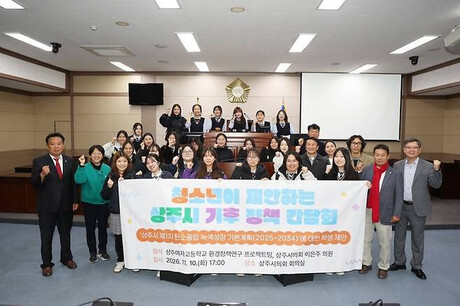
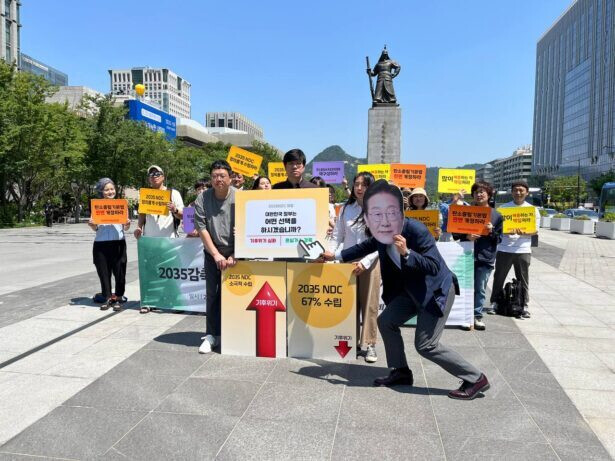
Meanwhile, South Korean youth groups voiced deep frustration during a separate COP31 panel at the national pavilion. Activists from organizations such as the Youth Climate Parliament and Coolimate pointed out that despite landmark domestic legal battles—including a 2020 constitutional challenge—the government continues to sideline young citizens and civil society in vital climate governance decisions.
[Copyright (c) Global Economic Times. All Rights Reserved.]