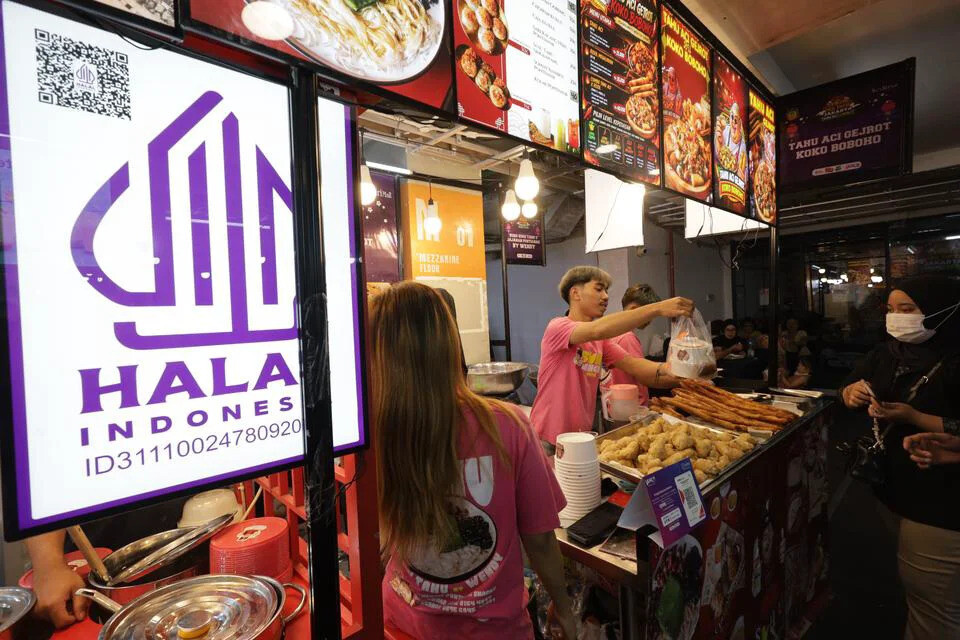
JAKARTA — Indonesia is stepping up efforts to solidify its position as a premier global hub for halal production by accelerating the development of five strategic industrial clusters.
According to recent announcements from the Ministry of Industry, the government is concentrating its resources on food and beverages, textiles and apparel, leather and footwear, chemicals alongside pharmaceuticals and traditional medicines, and household goods. Guided by the 2025–2029 Halal Industry Development Roadmap (Ministerial Regulation No. 40/2025), the initiative aims to modernize domestic manufacturing and capture a larger share of international trade.
Industry Minister Muhammad Sarmuji emphasized that expanding the nation's halal footprint requires more than basic compliance; it demands structural industrial upgrades, technological innovation, and high value-added production. He also highlighted the vital role of young entrepreneurs and innovators in transforming the sector into a sustainable economic driver capable of competing on the world stage.
The push comes amid robust domestic demand and strong international growth projections. Data indicates that Muslim household spending within Indonesia reached an estimated Rp5,974.9 trillion (approximately US$328.29 billion) during the first half of 2026. On the trade front, the country's halal industrial exports hit US$35.72 billion, more than doubling its US$17.47 billion in imports. Globally, the 2025/2026 State of the Global Islamic Economy Report projects Muslim consumer expenditure to rise from US$2.6 trillion to US$3.56 trillion by 2029. Currently, Indonesia ranks fourth overall on the Global Islamic Economy Indicator, leading the world in modest fashion while securing third in halal food and fourth in pharmaceuticals and cosmetics.
To maintain this momentum, Emmy Suryandari, Head of the Agency for Industrial Standardization and Policy (BSKJI), advocated for an integrated ecosystem spanning raw material supply chains, workforce training, and market expansion. Promoting a "Halal and Beyond" philosophy, she noted that modern halal standards encompass ethical, sustainable, and high-quality manufacturing processes. As a prime example of youth-led innovation, officials cited Yogyakarta-based CV Smart Batik Indonesia, which won top honors at the 2025 Indonesia Halal Industry Awards for developing an eco-friendly, palm-oil-based halal wax for traditional batik production.
Meanwhile, the government is easing regulatory transitions to help local businesses scale up. Dewi Setiawati, Head of the Halal Industry Center, noted that under Government Regulation No. 40 of 2026, authorities have extended the phase-in deadline for mandatory halal certification for specific business categories until October 17, 2028. Officials hope this extended timeline, paired with deeper youth engagement in research and entrepreneurship, will bolster production capacity and cement Indonesia's global leadership in the sector.
[Copyright (c) Global Economic Times. All Rights Reserved.]