![[등록] 2026-09-01 15:48:31](/support/_updata/banner2/tl181982910_6749.png)


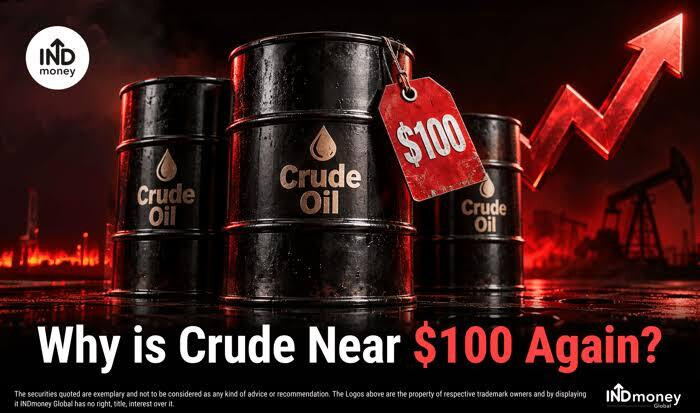
As geopolitical instability in the Middle East deepens and tensions escalate around the vital Strait of Hormuz, international crude benchmarks have surged close to the psychological threshold of $100 per barrel. This sharp upward movement has placed immense pressure on domestic energy markets in South Korea, raising critical questions about the longevity and sustainability of the government's emergency fuel price ceiling system.
Escalating Crude Prices and the Domestic Burden
According to data compiled by the Korea National Oil Corporation’s Petronet, average international prices for Brent crude reached $96.17 per barrel, while West Texas Intermediate (WTI) climbed to $91.41 per barrel. These figures represent a dramatic escalation from earlier annual averages of $87.48 and $82.52 respectively, driven largely by persistent supply chain disruptions and ongoing conflicts involving key energy corridors.
With South Korea scheduled to announce its tenth round of petroleum price ceilings, market observers are fiercely debating whether authorities will be forced to adjust caps upward to reflect soaring global energy costs. The price ceiling system—initially deployed as an emergency measure under the Ministry of Trade, Industry and Energy—sets maximum wholesale price limits for gasoline, diesel, and kerosene to shield domestic consumers and businesses from severe market volatility.
While retail fuel prices have been tightly controlled to hover near 1,784 won per liter for gasoline and 1,773 won for diesel during recent months, prolonged cost pressures threaten to squeeze domestic refiner profit margins and strain fiscal reserves.
Fiscal Capacity and Policy Continuation
Despite mounting cost pressures, analysts note that the government retains sufficient financial buffer to sustain the policy in the near term. Seoul initially earmarked 4.2 trillion won in contingency reserve funds designed to cover a six-month window and has proactively reflected an additional 1.4497 trillion won in the upcoming fiscal budget for loss compensation.
Industry insiders suggest that treasury reserves are adequate to absorb projected subsidies through the remainder of the year. Although the Ministry has maintained that fourth-quarter extensions remain under active review, the sheer volume of allocated compensation funds indicates strong political and administrative intent to keep the mechanism operational through year-end, particularly given that the regulation is legally tied to ongoing geopolitical risks and unverified maritime transit security.
Critical Exit Strategy Variables: The U.S. Midterms and Maritime Security
Energy economists and geopolitical strategists point to two paramount catalysts that will dictate the future trajectory of international oil prices and South Korea's exit strategy: the upcoming November U.S. midterm elections and the security status of strategic maritime arteries like the Strait of Hormuz.
Because energy price inflation represents a major political liability for Washington administration officials, intense diplomatic and strategic pressure is building to de-escalate Middle Eastern hostilities ahead of the elections. Major international forecasting bodies, including the U.S. Energy Information Administration (EIA) and the International Energy Agency (IEA), project that once active hostilities subside and damaged energy infrastructure undergoes rehabilitation, global crude markets will tilt toward a supply-heavy equilibrium, causing prices to trend downward through next year.
Should geopolitical tensions ease and energy markets stabilize by next year, South Korea’s price ceiling framework is expected to wind down naturally. Simultaneously, local refiners and policymakers are aggressively accelerating supply chain diversification strategies. With government backing directed toward upgrading refining infrastructure and pivoting toward more secure import corridors in North America—such as the United States and Canada, where transport and war-risk insurance premiums remain stable—South Korea is systematically building structural resilience against future external energy shocks.
[Copyright (c) Global Economic Times. All Rights Reserved.]