![[등록] 2026-09-01 15:48:31](/support/_updata/banner2/tl181982910_6749.png)


Seoul — In a bold move to combat the nation's mounting plastic waste crisis, South Korea's government, led by the Ministry of Environment, is rolling out a comprehensive "De-plastic Roadmap." The plan, which is part of President Lee Jae-myung’s five-year national governance agenda, focuses on shifting the financial burden of waste management onto producers and consumers through a series of "cost internalization" measures.
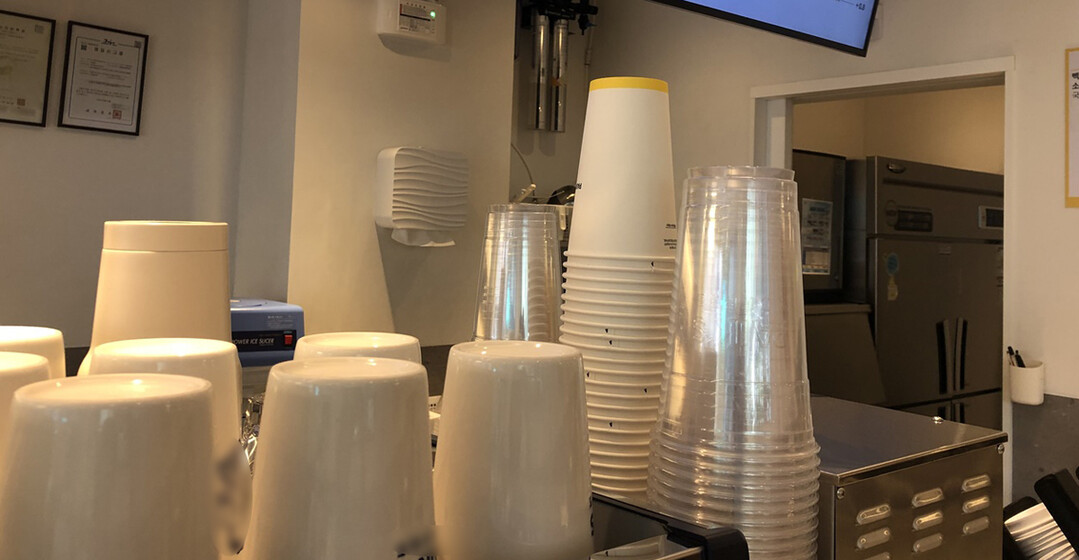
At the heart of the new policy is the application of an Extended Producer Responsibility (EPR) system to disposable cups. Historically, recycling disposable cups has been a logistical nightmare due to the variety of plastic materials used by different franchises. However, recent industry standardization towards a single material, PET, has paved the way for this pivotal change. Under the new EPR scheme, manufacturers and importers will be legally obligated to collect and recycle a specific percentage of their products. Non-compliance will trigger hefty fines, exceeding the cost of recycling itself, thereby creating a powerful economic incentive for waste reduction at the source.
Beyond the EPR, the government is also considering a more drastic measure: a plastic tax. This concept, which has been successfully implemented across the European Union, would impose a significant levy on non-recycled plastic waste. While South Korea currently has producer fees, the proposed tax would be on par with the EU's rate of 0.8 euros per kilogram, a dramatic increase from the current 100-300 won per kilogram. The Ministry of Environment believes this financial pressure will force the industry to innovate and transition to more sustainable, reusable alternatives.
The roadmap also addresses the contentious disposable cup deposit system. Previously, a nationwide mandate was scuttled due to opposition from small business owners, who cited logistical burdens. The new approach is a more targeted one, proposing "customized implementation" in contained environments like theme parks and specialized cafe districts. This pragmatic strategy aims to test the system’s efficacy and garner public support before any potential broader expansion.
To ensure the successful implementation of these measures, the Ministry of Environment has commissioned a research project to form a collaborative body. This forum will bring together key stakeholders—from major food and beverage franchises to small cafe owners, recycling firms, and consumer groups—to collectively discuss and navigate the challenges. One of the central questions to be explored is how these new costs will affect consumer prices for beverages, a topic that has generated significant public debate.
Furthermore, the roadmap takes aim at one of the most visible symbols of plastic pollution: the plastic straw. Minister of Environment Kim Sung-hwan has been a vocal proponent of restricting their use, stating that plastic straws are an unnecessary convenience that should be reserved for medical use or for those with specific physical needs. The forthcoming regulations are expected to either ban their use outright in most settings or impose a charge to discourage their consumption, following a similar path to other nations that have successfully curbed single-use plastic.
The government's multifaceted strategy marks a significant pivot from previous, less aggressive policies. It signals a clear commitment to tackling the plastic crisis not just through public awareness campaigns, but through enforceable economic and regulatory frameworks that prioritize plastic reduction and recycling at every stage of the product lifecycle. As the nation awaits the final "De-plastic Roadmap" by the end of the year, it is clear that the era of unfettered plastic consumption is drawing to a close.
[Copyright (c) Global Economic Times. All Rights Reserved.]