![[등록] 2026-09-01 15:48:31](/support/_updata/banner2/tl181982910_6749.png)


(C) Hanyang Women’s University
SEOUL – Hanyang Women’s University announced on the 26th that it successfully completed "Let’s Play with Dance," a specialized play-based dance program for local elementary students. Conducted from October to December last year, the initiative is part of the "Seoul Future-Nurturing Educational Resource Ecosystem" project, funded by the Regional Innovation System & Education (RISE) framework.
The program was strategically planned and executed by the university’s RISE Project Group and the Department of Sports and Health Management. In a proactive effort to support the "Neulbom" (Ever-spring) extended care system, the university collaborated with the Seongdong No. 1 Kium Center to provide high-quality physical education and cultural arts opportunities to children in the community.
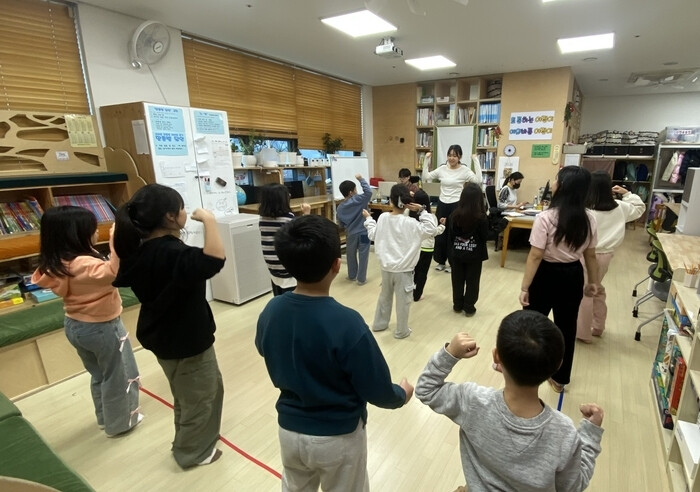
"Let’s Play with Dance" offered a structured curriculum that moved from basic rhythmic movements to trendy genres such as Hiphop, Street Dance, and K-POP. Unlike rigid technical training, the program focused on respecting individual movement and encouraging creative self-expression. Students participated in group performances that required peer cooperation, allowing them to experience the satisfaction of completing a collective stage production.
The final phase of the program involved large-scale formation practices and a concluding performance, providing a platform for students to share their progress. To ensure the quality of education, professional dance instructors with extensive field experience were recruited. Their age-appropriate demonstrations and personalized feedback significantly enhanced student immersion and confidence.
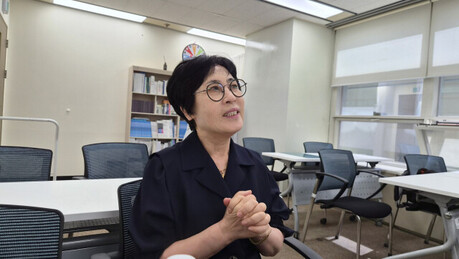
Professor Cha Yun-mi of the Department of Sports and Health Management, who spearheaded the program, stated, "We designed this curriculum so that children could move their bodies joyfully and build self-esteem through the fusion of play and dance. Moving forward, Hanyang Women’s University will continue to expand practice-oriented childcare and physical education programs for local children, rooted in the foundations of the RISE project."
This initiative marks a successful model for how universities can utilize their specialized departments to address regional social needs, specifically in providing enriching after-school environments for the younger generation.
[Copyright (c) Global Economic Times. All Rights Reserved.]