The first place people head to after waking up every morning is the bathroom. They wash their bodies under a warm stream of water, rinse their mouths with a toothbrush, and wipe off the moisture with a towel. Because it is a space that bookends the start and end of the day, there is a vague belief that the bathroom is cleaner than anywhere else in the house. However, due to its structural characteristics—where moisture constantly lingers alongside drains and a toilet—studies continue to show that the very hygiene tools we put directly against our bodies every day are actually becoming breeding grounds for bacteria.
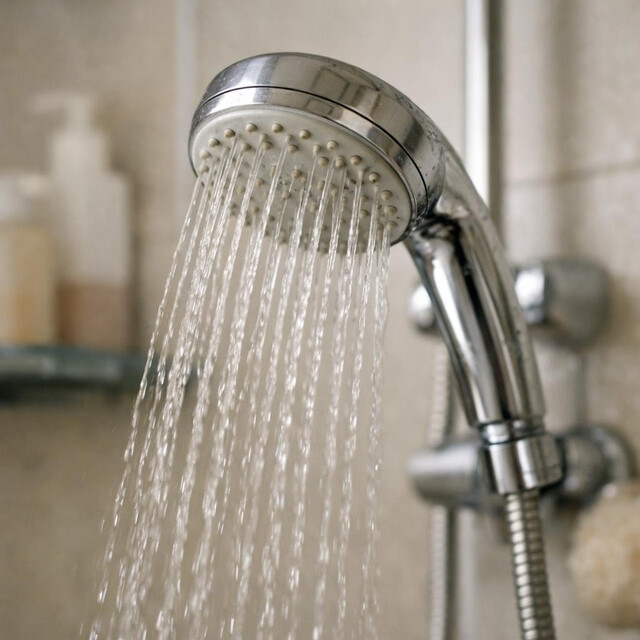
The first blind spot to examine is the showerhead. While its smooth exterior makes it look clean, the inside tells a completely different story. When a research team at the University of Colorado analyzed 45 showerheads in homes and public facilities, they detected microbial communities inside the heads at concentrations more than 100 times higher than in regular tap water. The cause is the water left stagnant in the narrow channels inside the head after a shower. As the warm bathroom temperature combines with residual water, a sticky, slimy microbial film known as a biofilm forms on the inner walls of the channels. This film is not easily washed away by running water, and Nontuberculous Mycobacteria (NTM) or Legionella bacteria proliferate within it. In fact, significant amounts of NTM, which can cause lung disease, were found in about 30% of the showerheads surveyed.
The problem lies in the microscopic water droplets sprayed out when the shower is turned on. Bacterial particles dislodged from the biofilm by water pressure disperse into the air and can be inhaled into the respiratory tract. While this may not pose a major issue for healthy adults due to their immune systems, for the elderly, people with chronic lung diseases, or those with sensitive respiratory tracts, these microscopic particles can continuously irritate the bronchial mucosa, aggravating chronic coughs, bronchial inflammation, or allergic respiratory symptoms.
Bathroom towels used to dry off after a shower are no safer. According to a research team at the University of Arizona, coliform bacteria were detected in about 90% of household bathroom towels, and Staphylococcus aureus and E. coli—which can cause skin infections or food poisoning—were found in about 14%. This occurs because human secretions and dead skin cells remaining on damp towels combine with moisture, causing bacteria to multiply explosively in a short period. Adding to this is the "toilet plume" phenomenon that occurs when flushing the toilet. When University of Colorado researchers filmed flushing using laser equipment, they confirmed that flushing without closing the lid ejects microscopic water droplets at a speed of 2 meters per second, shooting up more than 1.5 meters within 8 seconds. E. coli and viral particles dispersed into the air in this way settle directly onto nearby hanging towels and toothbrush bristles. If you wipe fragile skin right after washing your face or areas with micro-cuts after shaving using a towel teeming with bacteria, pathogens can penetrate gaps in the skin barrier, increasing the risk of folliculitis, contact dermatitis, or purulent skin diseases.
Toothbrushes, which go directly into the mouth, are also major vulnerable spots for contamination. Analysis by a research team at the University of Manchester in the UK revealed that a single poorly maintained toothbrush harbors an average of over 10 million bacteria. Toothpaste residue and food debris trapped between the bristles meet the bathroom's humidity, creating a structure where bacteria thrive. If microscopic cuts occur on the gums while brushing with contaminated bristles, bacteria can enter the bloodstream or oral tissues directly, worsening oral inflammation or exacerbating periodontal disease. Furthermore, storing family toothbrushes together in a single cup increases the risk of cross-contamination as the bristles touch and transfer oral bacteria to one another.
■ Practical Management Tips to Clear Bathroom Bacteria Without Fancy Disinfectants
You do not need to buy expensive specialized disinfectants to reduce hygiene blind spots in the bathroom. Simply correcting storage locations, drying habits, and replacement cycles can block routes of microbial exposure. First, bathroom towels should not be left hanging damp inside the bathroom after a single use. The rule is to spread used, wet towels out to dry on a rack outside the bathroom or move them straight to the laundry basket. When washing, reducing fabric softener and using hot water above 60°C (140°F) or sodium percarbonate effectively eliminates bacteria and odor-causing microbes in the fibers.
Immediately after brushing, toothbrushes should be thoroughly rinsed under running water by rubbing down to the base of the bristles with your fingers to remove debris, then stored upright with the bristles facing up in a well-ventilated area. When storing multiple toothbrushes together, use a holder with dividers so the bristles do not touch, and replace them with new ones at least every 2 to 3 months.
You must also make it a habit to close the lid before flushing the toilet. Simply closing the lid fundamentally blocks bacterial aerosols ejected from inside the toilet from spreading to towels and toothbrushes.
For showerheads, detaching them once every 2 to 3 months and soaking them for at least 30 minutes in warm water mixed with citric acid or vinegar helps loosen and remove internal limescale and biofilm. Afterward, scrub the water nozzles with an unused toothbrush and rinse. Once finished showering, rather than leaving the showerhead mounted high on its holder, lower it so the head faces the floor to allow residual water inside to drain out, preventing bacterial growth.
The taken-for-granted belief that the tools we use to wash and wipe our bodies every day are clean often delays hygiene checks. When you open your bathroom door today, it is worth checking whether the toilet lid is left open or if damp towels are hanging overlapping one another.
[Copyright (c) Global Economic Times. All Rights Reserved.]