![[등록] 2026-09-01 15:48:31](/support/_updata/banner2/tl181982910_6749.png)


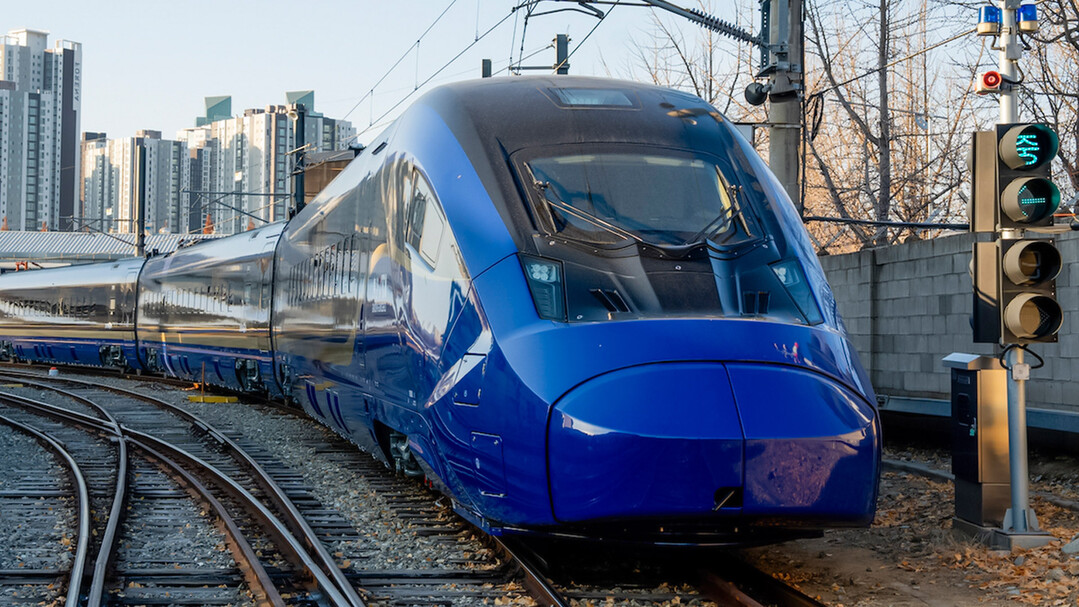
SEOUL — In South Korea’s world-renowned high-speed rail network, almost every track points in one direction: Seoul. Yet traveling directly between major regional metros like Gwangju in the southwest and Busan in the southeast on a KTX bullet train remains an impossible journey.
According to transport philosopher Jeon Hyun-woo, author of the newly published book Leaving the Lonely Stations, this missing connection is not a mere oversight. It is the symptom of a deeply flawed "tree-shaped" transit architecture that funneling social and economic energy straight into the capital while allowing peripheral provinces to dry up.
The Myth of the "Lonely Station"
Jeon’s critique begins at what he calls "lonely stations"—high-speed rail stops built far outside traditional city centers. Stations in historic or industrial hubs like Gyeongju, Gunsan, and Pohang were constructed miles away from downtown districts, often to avoid historic sites or to capitalize on cheaper peripheral land.
The consequences, however, have been severe. Passengers arriving at these remote outposts are greeted by vast parking lots rather than vibrant urban spaces, forcing them into taxis or private cars. This setup destroys the traditional "station-front" atmosphere where diverse demographics naturally cross paths—a phenomenon sociologists call "social mix"—and severs the continuous memory of urban life.
From Tree Structure to Mesh Network
The root cause of these disconnected hubs lies in South Korea’s radial rail layout. Designed like a tree trunk with branches, the network draws resources from regional roots and channels them directly into the Seoul metropolitan area.
To combat regional extinction and restore balance, Jeon proposes transforming this tree structure into a "mesh network." Instead of routing every high-speed line through the capital, a grid-like system would directly link mega-regions across the country. A direct KTX corridor between Gwangju and Busan would serve as a primary artery for cross-regional vitality, allowing southern provinces to trade and commute independently of Seoul.
A Climate-Driven Imperative
Beyond regional development, Jeon emphasizes that reshaping the railway grid is crucial for survival in an era of climate crisis. Trains are 5 to 10 times more energy- and carbon-efficient than private automobiles. Shifting just 10 percent of car commutes to rail can yield an 8 percent drop in national carbon emissions.
Currently, South Korea’s transportation split heavily favors private vehicles over public transit at a 2-to-1 ratio. Jeon argues that to meet carbon neutrality targets by 2050, the nation must aggressively reverse this balance to 1-to-2 by curbing private car usage and expanding synchronized rail timetables.
"Decisions made thirty years ago should not dictate the next millennium," Jeon asserts, calling for a historical critique of Korea’s transit infrastructure. To build a sustainable future, South Korea must bridge the gap between economic affordability and environmental necessity—starting with the tracks beneath its feet.
[Copyright (c) Global Economic Times. All Rights Reserved.]