![[등록] 2026-09-01 15:48:31](/support/_updata/banner2/tl181982910_6749.png)


(C) Pixabay
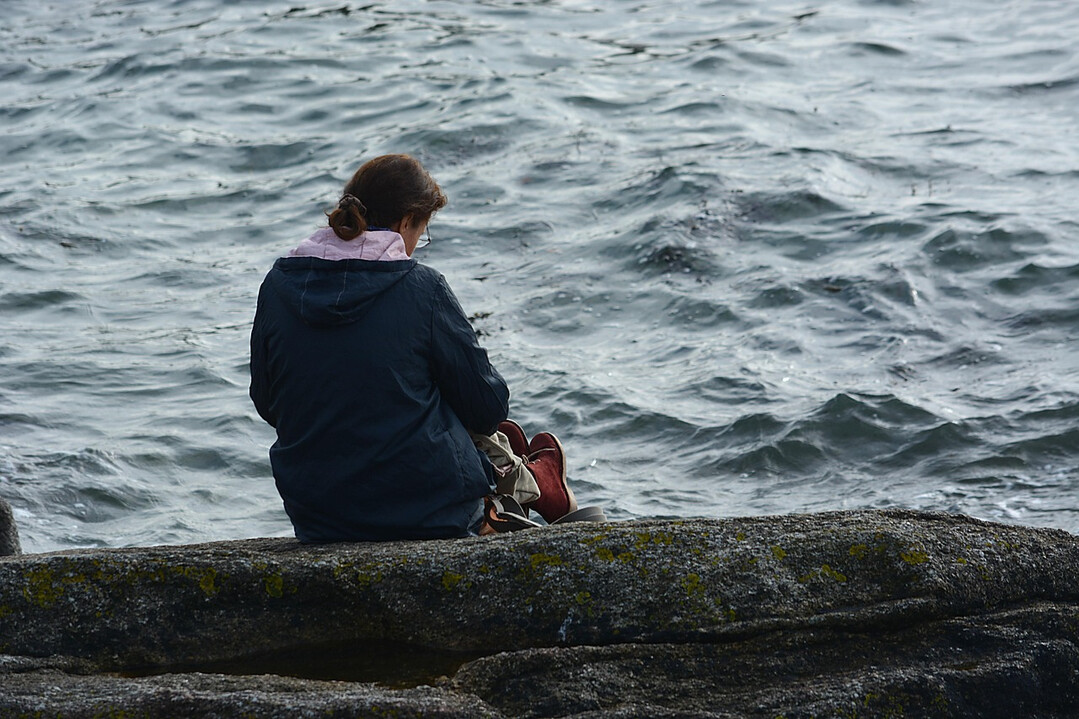
A recent survey paints a concerning picture of subjective well-being in South Korea, revealing a sharp drop in happiness and a significant spike in feelings of social isolation.
According to the annual report, '2025 Social Issues as Viewed by Koreans,' published by the non-profit research foundation Institute for Social Values (ISV) and research firm Tripleight, the average personal happiness score has fallen to 6.34 out of 10, a decline from 6.54 the previous year.
More strikingly, the percentage of Koreans who reported having "no one to rely on nearby" has more than doubled, soaring to 9.8% from 4.1% in the preceding year. This dramatic increase suggests a rapidly deepening sense of social disconnection among nearly one in ten individuals.
Researchers analyzing the survey results attribute this trend, in part, to the prolonged low-growth economic environment, which they believe has had a "negative transference" effect on personal psychology.
While the survey, conducted in May—just as the economy was showing signs of recovery in the second quarter—suggests some improvement in personal household finances compared to the prior year, a pervasive sense of economic uncertainty remains. The evaluation score for the national economy hit its lowest point since the first survey in 2020, registering a dismal 3.89 out of 10.
Furthermore, despite official government data indicating that the middle class accounts for 59.3% of the population, only 39.5% of respondents self-identified as middle class, illustrating a significant gap between official statistics and the public's felt economic reality.
While economic factors are undoubtedly crucial, they alone cannot fully explain South Korea's persistent struggles with happiness and isolation. For years, the nation has ranked among the lowest in happiness and highest in social isolation among the 38 member countries of the Organisation for Economic Co-operation and Development (OECD). South Korea also tragically holds the top spot in the OECD for suicide rates per 100,000 people, and the number of individuals experiencing lonely deaths (godoksa) is on a continuous rise.
These issues are intertwined with several deep-seated societal trends, including:
The rapid growth of single-person households driven by an aging population.
A decline in the overall quality of life due to intense social competition and widening social polarization.
This year's survey highlights that non-economic social problems are impacting the quality of life just as severely as economic instability and housing price anxieties.
Notably, the severity ranking for the "deepening of ideological, regional, and political conflict" has made a stunning leap, rocketing from 19th place six years ago to 4th place in the current report. While the timing of the survey, conducted amid a period of political turmoil—including the possibility of impeachment and an early presidential election—likely exacerbated this perception, it underscores a growing national crisis of social cohesion.
The research suggests that overcoming the paradox of widespread social disconnection in a hyper-connected society requires a multi-faceted approach. This includes:
Expanding economic and social participation opportunities for all age groups.
Healing the political conflicts that are eroding the nation's social capital.
Crucially, strengthening social support networks that can provide genuine emotional and material assistance to individuals in need.
The findings serve as a stark warning: South Korea’s economic progress is not translating into commensurate improvements in personal well-being or social health. Addressing this deepening divide requires immediate and concerted effort to foster a more inclusive, supportive, and harmonious society.
[Copyright (c) Global Economic Times. All Rights Reserved.]