![[등록] 2026-09-01 15:48:31](/support/_updata/banner2/tl181982910_6749.png)


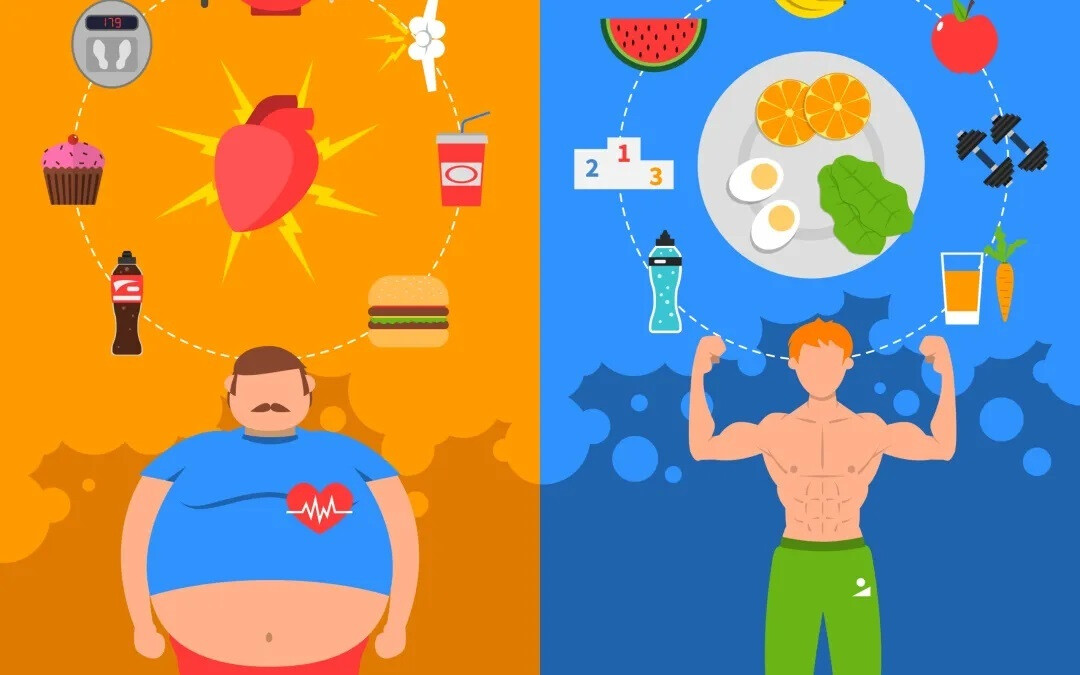
Last year, health behaviors among the 2030 young adult generation generally deteriorated, marked by an increase in smoking and fat intake alongside a decline in physical activity, while middle-aged adults in their 40s and 50s experienced a rise in obesity and chronic diseases.
The Korea Disease Control and Prevention Agency (KDCA) announced the primary results of the '2025 Korea National Health and Nutrition Examination Survey (KNHANES)' on the prevalence of major chronic diseases and health behaviors on the 30th. The KNHANES is conducted to assess the health and nutritional status of the Korean public, and its findings are utilized as foundational data for establishing and evaluating national health policies.
Drinking indicators showed slight improvement last year. The high-risk drinking rate stood at 12.6% last year, showing a modest decrease from the previous year, with a sharp drop of 7 percentage points among men in their 40s. The monthly binge drinking rate also fell to 35.1%, declining across both genders compared to the previous year. Among them, rates dropped by 8 percentage points for men in their 20s, 6.2 percentage points for women in their 20s, and 7.3 percentage points for women in their 30s.
Deterioration in Smoking and Physical Activity
In contrast, smoking rates and physical activity worsened. The current use rate of tobacco products last year rose to 36.3% for men and 8.6% for women, increasing by 0.3 percentage points and 1.7 percentage points, respectively, from the previous year.
Broken down by age group, the current tobacco product use rate increased compared to the previous year by 3.7 percentage points for men in their 20s, 2.6 percentage points for women in their 20s, and 6.4 percentage points for women in their 30s. Notably, men in their 20s showed increased use of conventional cigarettes (up 2.6 percentage points) and liquid e-cigarettes (up 2 percentage points), while women in their 30s showed increased use across all types of tobacco (conventional cigarettes up 3.6 percentage points, liquid e-cigarettes up 3.1 percentage points, and heated tobacco products up 1.1 percentage points).
Practice rates for walking, strength training, and aerobic physical activity all decreased for both men and women compared to the previous year. A severe lack of exercise was particularly evident among those in their 20s and 30s.
The aerobic physical activity practice rate stood at 49.5% overall last year, declining for both genders compared to the previous year. Among them, the rate dropped by 11.2 percentage points for men in their 20s, and by 7.6 percentage points and 8.3 percentage points for women in their 20s and 30s, respectively. The strength training practice rate (26.4%) and walking practice rate (41.7%) also saw slight declines for both genders compared to the previous year.
Rising Concerns for Middle-Aged Adults: Obesity and Chronic Diseases
Middle-aged adults flashed a 'red light' regarding obesity and chronic diseases. The prevalence of obesity for men was 49.1% last year, showing little overall change from the previous year, but it increased significantly among those in their 30s and 50s. More than half of men were obese across age groups: 59% in their 30s, 53.3% in their 40s, and 54% in their 50s. The prevalence of obesity among women rose by 2.5 percentage points from the previous year to 28.7%, with increases of 3.7 percentage points for those in their 30s and 5.9 percentage points for those in their 40s.
The prevalence of underweight was highest among women in their 20s (19.9%), while for men, it was highest in their 20s (4.9%) and among those aged 70 and older (4.7%).
The prevalence of diabetes remained largely unchanged from the previous year at 13.1% for men and 7.6% for women. However, the prevalence of hypertension and hypercholesterolemia increased noticeably among men, rising by 1.9 percentage points and 2.7 percentage points to 28.2% and 26.1%, respectively. For men in their 40s and 50s, the prevalence of such chronic diseases has been on an upward trend over the past decade, surging sharply last year compared to the year before.
The prevalence of chronic obstructive pulmonary disease (among those aged 40 and older) increased to 16.1% for men and 5% for women compared to the previous year, but remained at levels similar to 2019. The prevalence of osteoporosis (among those aged 50 and older) stood at 3.6% for men and 21.4% for women, while osteopenia prevalence (among those aged 50 and older) was 36.2% for men and 58.4% for women, both similar to the previous year.
Deepening Nutritional Imbalances
Nutritional imbalances are also intensifying. Last year, intake of grains and vegetables decreased compared to the previous year, while beverage intake showed an upward trend. The fraction of people consuming 500g or more of fruits and vegetables daily (aged 6 and older) was 23.4% for men and 17.7% for women, with those in their 20s recording the lowest rates among adults for both genders (10.6% for men and 7.5% for women).
The trend of decreasing carbohydrate intake and increasing fat intake continued. Last year, the energy intake share from carbohydrates was 55.5% for men and 55.8% for women, dropping by 1 to 2 percentage points from the previous year, whereas the energy intake share from fat rose by 1 to 2 percentage points to 28.7% for both genders. Men and women in their 20s and 30s exceeded the upper limit of the optimal fat energy ratio guideline (30%).
Energy intake last year averaged 2,052 kcal for men and 1,557 kcal for women, a slight decrease from the previous year. Sodium intake remained largely unchanged at 3,043 mg, and over 80% of men aged 30 and older consumed sodium in excess of the recommended threshold for reducing the risk of chronic disease. In total sugar intake indicators, the proportion of individuals obtaining 20% or more of their total energy from sugars reached 11.9% for men and 18.4% for women.
Social Support and Mental Health
Among newly introduced items last year, the social support rate—defined as the proportion of individuals who have someone to lean on or receive help from during difficult times—was found to be 94.5% for those aged 19 and older (94.6% for men, 94.4% for women). While it was 98.6% among those in their 20s, it decreased with age, dropping to 87.8% among those aged 70 and older.
The subjective life satisfaction score, which represents overall satisfaction with one's life, averaged 6.9 out of 10 points (7 points for men, 6.9 points for women). The proportion of individuals with a subjective life satisfaction score of 4 points or lower was higher among those in their 20s and 30s as well as those aged 70 and older compared to other age groups.
The rate of experiencing loneliness "always" or "frequently" stood at 6.4%, higher among women (7.5%) than men (5.3%). It was highest among women in their 30s at 9.7%.
The KDCA stated, "Social support rates and subjective life satisfaction tended to be higher among those with higher income levels, whereas the loneliness experience rate tended to be lower as income levels increased."
A statistical report containing detailed results of the Korea National Health and Nutrition Examination Survey will be published in December. The KDCA plans to hold the 'National Health Survey Results Presentation' on November 30 to share analysis findings on major health issues across life cycles and discuss policy directions with related government ministries and academic experts.
[Copyright (c) Global Economic Times. All Rights Reserved.]