![[등록] 2026-09-01 15:48:31](/support/_updata/banner2/tl181982910_6749.png)


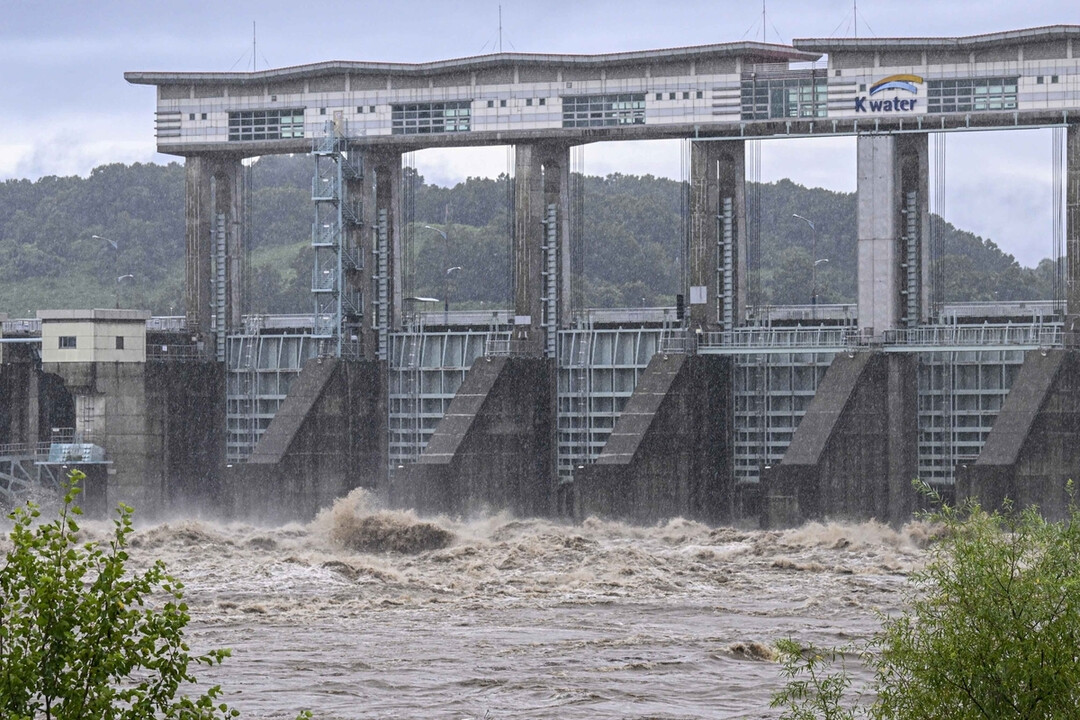
The South Korean government has officially revived plans to construct new dams in five regions, including Chungcheong Province and Gyeonggi Province, reversing previous suspensions following intense reviews regarding water policy and regional infrastructure. The Ministry of Climate, Energy and Environment announced on August 27 that out of seven candidate sites previously put under comprehensive re-evaluation, five dam projects have been finalized for construction: the Jicheon Dam in Cheongyang and Buyeo (Chungnam), the Amicheon Dam in Yeoncheon (Gyeonggi), the Byeongyeongcheon Dam in Gangjin (Jeonnam), the Royagang Dam in Ulsan, and the Gohyeoncheon Dam in Geoje (Gyeongnam).
This decision marks a pivotal shift in national water resource management. Earlier, the administration discarded 7 out of 14 previously proposed dam sites due to low necessity and local resistance, while subjecting the remaining seven to rigorous public deliberation through special committees. With the final approval of these five projects, the government aims to invest approximately 1.7 trillion won to secure nearly 150 million cubic meters of additional water storage capacity. This represents a monumental step, as it will be the first multi-purpose dam to be newly constructed in South Korea since 2010, breaking a 16-year hiatus in major multi-purpose dam development.
A primary catalyst for reviving these dam projects is the pressing demand for industrial water to support the Chungcheong Province "mega project," which encompasses rapidly expanding semiconductor and display industrial complexes. Modern semiconductor fabrication plants require massive, uninterrupted supplies of ultra-pure water and general industrial water. As the region expands its high-tech manufacturing footprint, local water stress has emerged as a critical bottleneck. The Jicheon Dam, serving as a massive multi-purpose reservoir with a storage capacity of 59 million cubic meters, is designed to supply approximately 180,000 tons of water daily to the Geum River basin, directly addressing the soaring industrial and municipal water needs of the Chungcheong mega project while simultaneously providing robust flood defense for Cheongyang and Buyeo.
Beyond securing industrial water for high-tech clusters, the sweeping infrastructure initiative is heavily driven by the increasing frequency of climate change-induced extreme weather events, characterized by severe droughts alternating with sudden, destructive torrential downpours. The Amicheon Dam in Yeoncheon, possessing a storage capacity of 45 million cubic meters, will supply 80,000 tons of water daily to water-scarce regions along the Imjin River while protecting Yeoncheon's urban areas from 100-year frequency floods. Furthermore, smaller regional projects such as the Byeongyeongcheon Dam and the Royagang Dam will incorporate enhanced flood control mechanisms, while the Gohyeoncheon Dam in Geoje will undergo structural elevation and gate installation to prevent river overflow during torrential downpours.
Analysts point out that the government's aggressive push for new dam construction—following previous moves to expand nuclear power generation—is part of a broader, foundational strategy to fortify national infrastructure. By securing stable energy and water supplies, South Korea aims to insulate its core export engines, particularly semiconductors and advanced electronics, from global supply chain vulnerabilities and climate-related disruptions. While localized civic opposition remains a challenge—particularly surrounding environmental and land-use concerns in areas like Cheongyang—the administration has emphasized that meticulous communication, compensation frameworks, and alternative mitigation strategies will accompany the construction process to balance regional welfare with national economic imperatives.
[Copyright (c) Global Economic Times. All Rights Reserved.]