• 2026.11.20 (Fri)
  • All articles
  • LOGIN
  • JOIN
Global Economic Times
한인동포뉴스(상단)
  • Synthesis
  • World
  • Business
  • Industry
  • ICT
  • Distribution Economy
  • Well+Being
    • Pet Life
    • Halal Horizon
  • Travel
  • Eco-News
  • Education
  • Korean Wave News
  • Opinion
  • Arts&Culture
  • Sports
  • People & Life
    • International Student Report
    • With Ambassador
  • Column
    • Cho Kijo Column
    • Cherry Garden Story
    • Ko Yong-chul Column
    • Kim Bong-seon's Photo Column
    • Kim Seul-Ong Column
    • Lee Yeon-sil Column
    • Professor Lee Soo-young’s Life Essays
  • Photo News
  • New Book Guide
MENU
 
Home > People & Life

Former U.S. State Official Jimmy Lee Urges South Korea to Leverage Manufacturing Might to Lead 'Physical AI'

ONLINE TEAM / Updated : 2026-11-19 07:14:13
  • -
  • +
  • Print

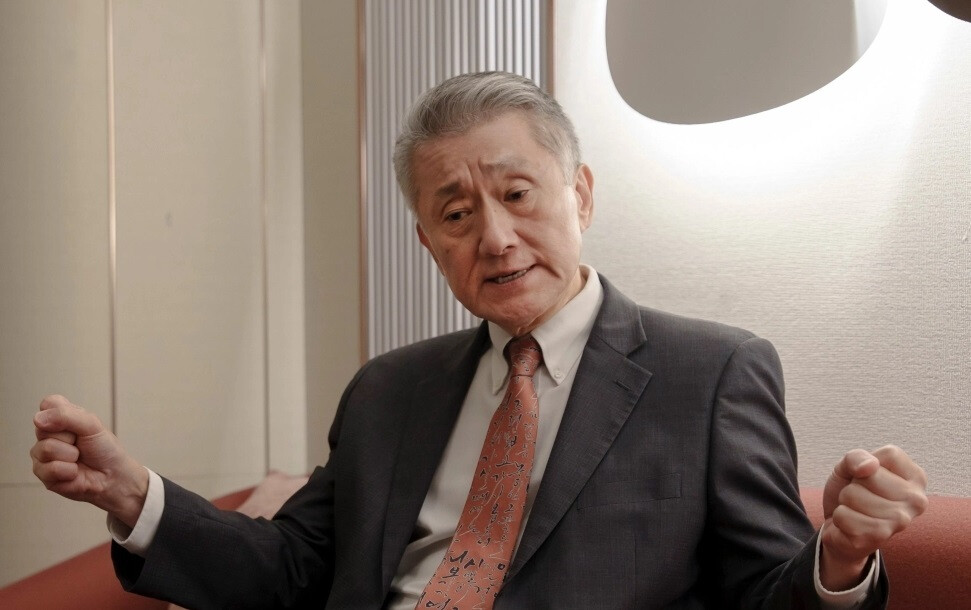
PALO ALTO, Calif. — As Korean-American representation in U.S. politics reaches new milestones with recent congressional victories, Jimmy Lee—a trailblazing former state cabinet official turned tech executive—is calling on South Korea to seize a once-in-a-generation opportunity in artificial intelligence.

Lee, who previously served as Virginia’s Deputy Secretary of Commerce and Maryland’s Special Secretary of Minority Affairs, now chairs ASI Foundry, an industrial AI firm based in California. In a recent interview in Palo Alto, Lee emphasized that while the United States and China currently dominate foundational AI models, South Korea holds the upper hand in the next major frontier: Physical AI, the integration of artificial intelligence into machinery, robotics, and autonomous systems.

Turning Factory Data into a Strategic Asset

According to Lee, Silicon Valley possesses advanced AI "engines," but lacks the real-world industrial data needed to train them for physical applications—a byproduct of America’s decades-long shift away from manufacturing toward finance. Conversely, South Korea’s powerhouse sectors in shipbuilding, automotive manufacturing, and semiconductors sit on a goldmine of factory floor data, particularly within small and mid-sized parts suppliers.

"Having an AI model without industrial data is like having gasoline without a car," Lee noted, pointing out that South Korea’s primary task is converting its vast reserves of unstructured factory data into formats AI can process. Through ASI Foundry, Lee aims to build governance frameworks that allow manufacturers to collaborate with AI developers while keeping their most sensitive 10% to 20% proprietary data strictly protected.

Building a Semiconductor-to-AI Flywheel

Lee expressed strong support for Seoul’s aggressive state-backed infrastructure push, including the Saemangeum AI data center initiative. Dismissing concerns over premature overinvestment, he argued that moving swiftly is critical during technological paradigm shifts.

He outlined a "flywheel" vision for Korea’s tech sector: domestic chipmakers like Samsung Electronics and SK Hynix, which currently lead the High Bandwidth Memory (HBM) market, can pair their hardware capabilities with local data centers and manufacturing data. This closed-loop ecosystem, Lee suggested, could eventually pave the way for South Korea to design and produce its own Graphics Processing Units (GPUs).

Navigating Power Bottlenecks and Global Data Trade

Addressing skepticism surrounding the rapid expansion of energy-hungry data centers, Lee drew parallels to the early internet boom, when critics questioned the massive buildout of undersea fiber-optic cables that later became indispensable. While acknowledging current hurdles—such as severe supply backlogs for power-generating gas turbines and local community pushback—he predicted that Small Modular Reactors (SMRs) and community tax-benefit models will resolve these growing pains.

Furthermore, given South Korea’s demographic headwinds and shrinking population, Lee stressed that the country cannot rely solely on domestic data to become a top-three AI power. He advocated for an international, rules-based data-sharing alliance among trusted nations, modeled after post-World War II trade frameworks.

A New Mindset for Future Talent

Beyond corporate strategy and infrastructure, Lee offered a candid message to South Korean parents and students. Arguing that raw knowledge is rapidly commoditizing, he urged young Koreans to look beyond standardized testing and elite university admissions.

"Real value comes from the ability to step into the wider world, observe how people live, and identify the problems that actually need solving," Lee said, encouraging a cultural shift that embraces curiosity and unconventional paths.

[Copyright (c) Global Economic Times. All Rights Reserved.]

  • #Cherry Garden
  • #HalalFood
  • #Halal
  • #Petlife
  • #Halalhorizone
  • #Hormuz Impasse
  • #Joseon
  • #globaleconomictimes
  • #micore
ONLINE TEAM
ONLINE TEAM
Reporter Page

Popular articles

  • "Not Enough Batteries to Build More Cars": Tesla’s Dilemma—Opportunity or Burden for K-Batteries?

  • East-West Future Forum Shares Jeonnam-Gwangju Integration Experience to Shape Gyeongbuk-Daegu’s Future

  • “Hesitating at the Ice Edge, Wondering Whether to Turn Back”… 50 Days on the Northern Sea Route, Stories Beyond the Waters

I like it
Share
  • Facebook
  • X
  • Kakaotalk
  • LINE
  • BAND
  • NAVER
  • https://globaleconomictimes.kr/article/1065564550889906 Copy URL copied.
Comments >

Comments 0

Weekly Hot Issue

  • Bucheon Call Center Practices Neighborly Love with Proceeds from ‘ANABADA’ Bazaar
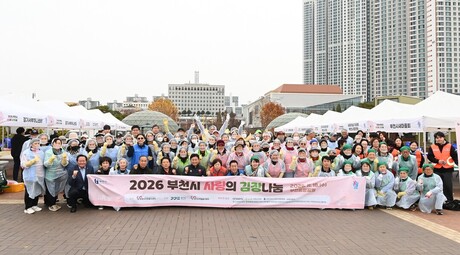
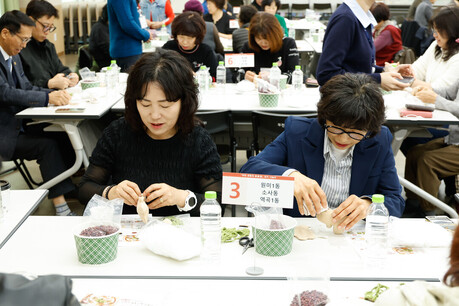
  • Bucheon City Hosts ‘Kimchi Sharing of Love’ Event, Distributing 730 Boxes of Kimchi
  • Bucheon City Launches ‘Ondongne Bom·Bom·Bom’… Full-Scale Push for Loneliness Relief PolicyAround 100 Community Social Security Council members participate… Over 400 hand-warmer dolls made
  • 28th Busan Independent Film Festival Kicks Off, Celebrating Local Indie Cinema
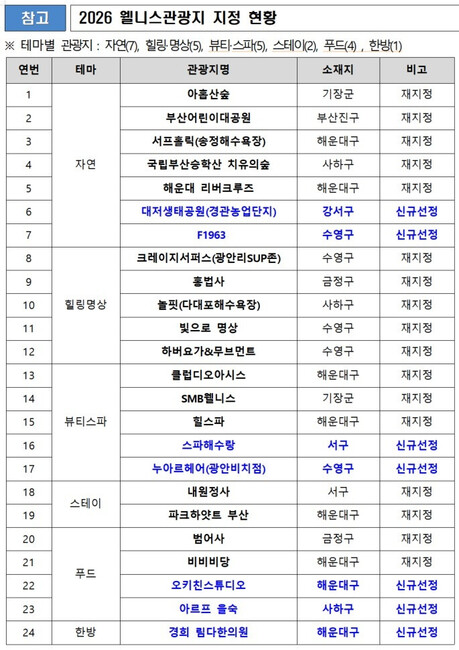
  • Busan Leaps Toward Becoming a Global Healing Tourism City by Expanding New Wellness Destinations
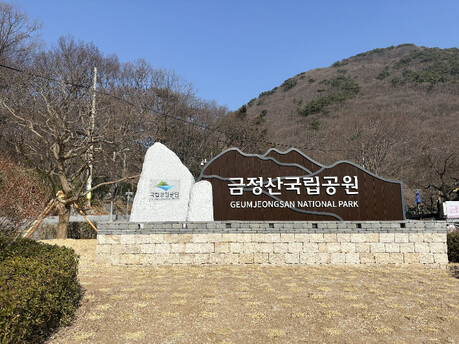
  • From Temple Food to Traditional Makgeolli: British Broadcaster Peter Bint Promotes the Charm of Geumjeongsan National Park

Most Viewed

1
South Korea and Ethiopia Sign Trilateral MOU to Introduce Liquid-Based Cytology (LBC) Technology for Cervical Cancer Diagnosis
2
Meeting Christmas Early!… Busan Dessert Sales Event "Daldal The Market" Held
3
World Citizens are Flying Directly to Busan... The Era of 4 Million Foreigners is Just Around the Corner
4
Eating 100g of Baechu Kimchi Daily Linked to Lower High-Cholesterol Risks
5
First Snow and Freeze Hit Korea as Winter Officially Begins on 'Ipdeong'
체리가든 스토리
nutri huevos
로타리
동포저널

Hot Issue

Trump Wraps Up China Trip Amid Speculation of Surprise Kim Jong Un Meeting

Democrats Expand Senate Majority to 56 Seats Following Peltola’s Victory in Alaska

DHS Secretary Defends Taking Government Jet to College Football Game Amid Nationwide Flight Disruptions

Fashion Runway Show 2026

Let’s recycle the old blankets in Jeju Island’s closet instead of incinerating them.

Global Economic Times
korocamia@naver.com
CEO : LEE YEON-SIL
Publisher & Editor : KO YONG-CHUL
Registration number : Seoul, A55681
Registration Date : 2024-10-24
Youth Protection Manager: KO YONG-CHUL
Singapore Headquarters
5A Woodlands Road #11-34 The Tennery. S'677728
Korean Branch
Phone : +82(0)10 4724 5264
#304, 6 Nonhyeon-ro 111-gil, Gangnam-gu, Seoul
Copyright © Global Economic Times All Rights Reserved
  • News K
  • 반달곰 프로젝트
  • 광고문의
Search
Category
  • All articles
  • Synthesis
  • World
  • Business
  • Industry
  • ICT
  • Distribution Economy
  • Well+Being 
    • 전체
    • Pet Life
    • Halal Horizon
  • Travel
  • Eco-News
  • Education
  • Korean Wave News
  • Opinion
  • Arts&Culture
  • Sports
  • People & Life 
    • 전체
    • International Student Report
    • With Ambassador
  • Column 
    • 전체
    • Cho Kijo Column
    • Cherry Garden Story
    • Ko Yong-chul Column
    • Kim Bong-seon's Photo Column
    • Kim Seul-Ong Column
    • Lee Yeon-sil Column
    • Professor Lee Soo-young’s Life Essays
  • Photo News
  • New Book Guide
  • Overseas Koreans
  • Multicultural News