![[등록] 2026-09-01 15:48:31](/support/_updata/banner2/tl181982910_6749.png)


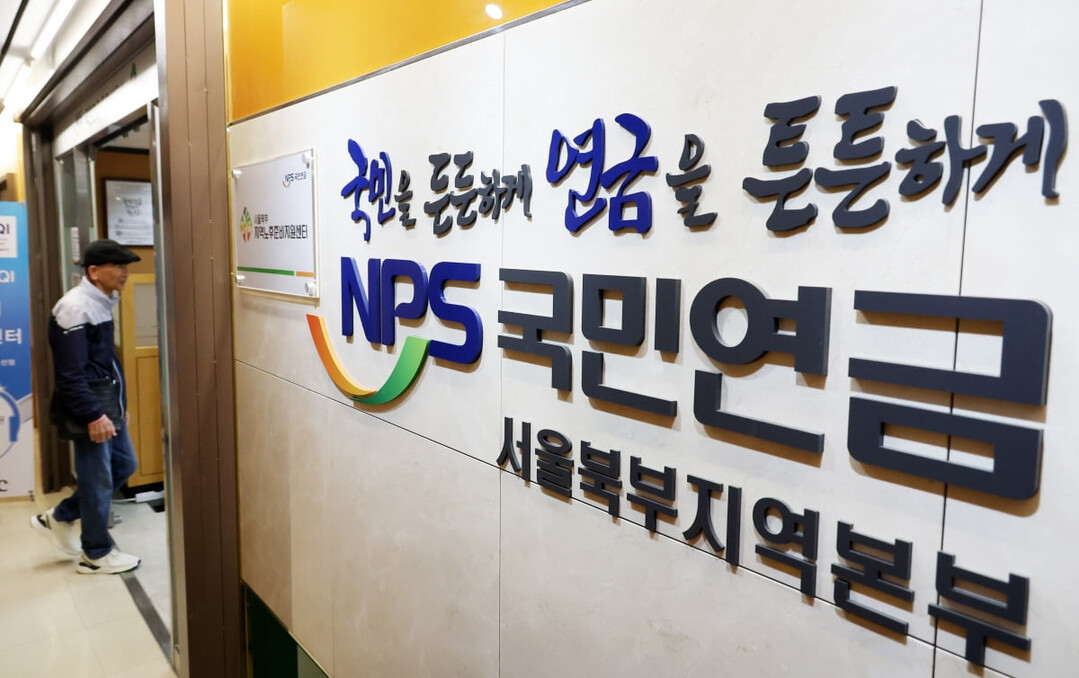
Controversy over extending the retirement age is escalating as the government plans to raise the age for receiving national pensions to 65 in 2033. While the labor sector demands a simple extension of the retirement age to 65, the business community insists on re-employment after retirement. Amidst this, the government has hinted at the need for re-employment after retirement, sparking heated debate.
Government's Stance: Re-employment after Retirement
Iki-il, the first Vice Minister of Health and Welfare, stated in an interview with the Seoul Economic Daily on the 11th that "just like pension reform, extending the retirement age requires social consensus." He also mentioned that unilaterally extending the retirement age while maintaining the current seniority and rank system would not be acceptable. This is because extending the retirement age for one elderly worker could potentially hinder the employment of three young people.
Instead, Vice Minister Iki-il suggested re-employment after retirement with a salary reduction as an alternative. He cited Japan as a prime example. In Japan, employees who have reached the retirement age for managerial positions are re-employed as lower-ranking employees and receive about 70% of their previous salary. However, he also mentioned that a uniform extension of the retirement age would be possible for specialized professions such as engineers.
Labor Sector: Extending the Retirement Age
The labor sector is strongly opposed to re-employment after retirement, arguing that it lowers the treatment of workers, such as salary reduction, and reduces employment stability. They argue that re-employment after retirement is essentially a demotion with a salary cut, and that a uniform extension of the retirement age is a better option. This is because it eliminates the need for a new contract after retirement, allowing elderly workers to maintain their existing working conditions (salary, welfare, etc.) as much as possible while extending their working period.
Business Community: Re-employment after Retirement
The business community generally feels burdened by the idea of extending the retirement age itself, but is open to re-employment after retirement under certain conditions. They argue that unilaterally extending the retirement age and applying the existing salary system would place an excessive burden on companies and could lead to a contraction in youth employment. They also point out that a uniform extension of the retirement age could reduce new recruitment capacity and worsen youth unemployment.
Therefore, companies prefer re-employment after retirement to reduce labor costs, and prefer a method of reducing salaries or adjusting positions at this time. The "continued employment system" implemented in Japan and other countries is also a system in which companies re-employ employees if they meet certain criteria even after the retirement age. It is a model that lowers the salaries of elderly workers while maintaining their careers and continuing productivity.
Continued Controversy and Future Outlook
The government is strengthening communication through various channels to resolve these controversies, but discussions are not progressing due to differing opinions between labor and management. Experts argue that re-employment with reduced salaries is a reasonable option in the face of the "usual wage" wave. They argue that it is not easy for companies to maintain high salaries while maintaining elderly workers, and that re-employment after retirement could be a good alternative in a situation where companies are having difficulty finding people to work.
However, the labor sector continues to demand a uniform extension of the retirement age, arguing that re-employment after retirement is a "half-measure" that only prolongs the employment of elderly workers while worsening their working conditions. 1
[Copyright (c) Global Economic Times. All Rights Reserved.]