![[등록] 2026-09-01 15:48:31](/support/_updata/banner2/tl181982910_6749.png)


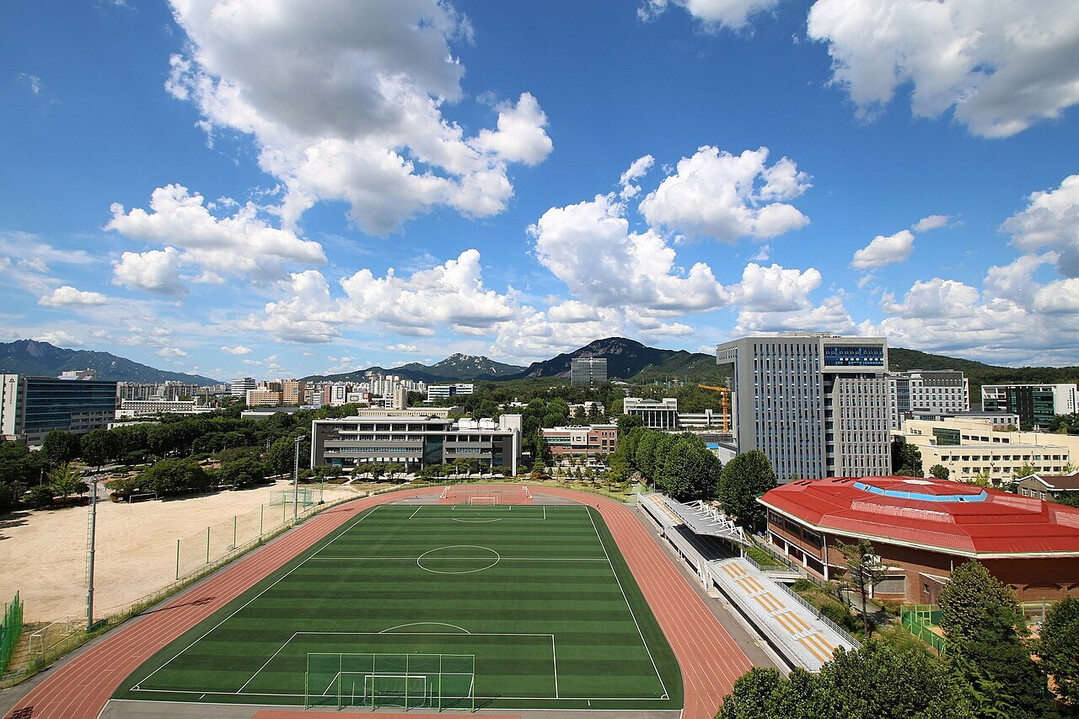
Experts have proposed expanding the role of regional universities from mere talent cultivation to regional innovation hubs that connect graduates to employment, startups, and local settlement. The core argument calls for establishing a hyper-regional talent cultivation system that links universities, corporations, and research institutes to jointly nurture talent tailored to regional industrial demands.
On the 2nd, the Office for Government Policy Coordination, the Special Committee on Megaprojects and Regional Growth Support of the Democratic Party of Korea, the Korea Educational Development Institute (KEDI), and the Korea Institute of Science and Technology Evaluation and Planning (KISTEP) jointly hosted the "2nd National Land Transformation Future Strategy Forum" at the National Assembly Members' Office Building in Yeongdeungpo-gu, Seoul. The forum was held under the theme of "Strategies for Fostering Regional Talent to Lead the '5-Megaregion, 3-Special Self-Governing Province' Growth Engines."
In her presentation titled "Current Status and Tasks of the Regional Growth Talent Cultivation System (Anchor)," Moon Bo-eun, a senior research fellow at KEDI, emphasized that the scope of regional talent policies must expand beyond basic education to encompass job creation, entrepreneurship, and long-term local settlement.
In particular, she suggested going beyond individual universities and municipal-level talent training by leveraging "5-megaregion/3-special province" shared universities and hyper-regional growth engine talent fostering to jointly train workers matching regional industrial demands. She stressed that ties with industrial and employment policies must also be strengthened so that talent produced by universities can secure employment and settle in local enterprises.
The need for regional universities to broaden their roles into regional talent hubs—supporting not only enrolled students but also current workers and local residents—was also raised. The underlying rationale is that simply cultivating talent locally is insufficient to prevent youth outflow; quality jobs and career growth opportunities must be provided concurrently.
Proposals were also presented to link regional Research and Development (R&D) and industries to talent training. Kwon Myung-hwa, a center director at KISTEP, stated that a structure must be built where regional R&D capabilities seamlessly lead to corporate growth, job creation, and talent development. Kwon suggested connecting research, demonstration, and commercialization centered around growth engines while establishing pathways where a first job obtained locally leads to continuous career growth.
Furthermore, calls were made for universities to adapt their talent cultivation methods to future industrial shifts. Kyung-Chul Kong, a professor of mechanical engineering at KAIST, emphasized that in the era of Physical AI, institutions must provide foundational infrastructure—such as technologies, components, and platforms—to enable students to quickly implement ideas and collaborate. Citing examples like robot hackathons, he highlighted the necessity of shifting from a traditional curriculum-centered approach to one that combines projects and real-world demonstrations.
However, experts pointed out that several challenges must be resolved—such as policy capacity gaps and cooperative frameworks between regions—for the hyper-regional talent cultivation system to yield tangible results. Because multiple cities and provinces are bundled into a single jurisdiction, regional interests must be carefully coordinated, and clear executing bodies and accountability frameworks must be established to drive the initiatives.
During the panel discussion, participants concurred that policies should not halt at simply training and hiring local talent. They noted that conditions must be cultivated simultaneously to enhance regional corporate competitiveness, expand quality jobs and career progression opportunities, and ensure that locally employed talent can stay for the long term.
Additionally, to make hyper-regional cooperation function as a practical talent and industrial ecosystem, suggestions were made to specify inter-municipal cooperative frameworks while establishing foundational infrastructure connecting universities, industries, and talent within the jurisdiction, including region-led R&D and wide-area transportation networks.
"For sustainable regional growth, it is crucial to cultivate talent that supports local industries and innovative capabilities, creating a virtuous cycle where they can unleash their potential and settle down locally," said Koh Young-sun, President of KEDI. "I hope this forum serves as an opportunity to jointly explore directions for talent training that organically connects regional universities, industries, R&D, and jobs."
[Copyright (c) Global Economic Times. All Rights Reserved.]